Nordic television has a unique place in global popular culture. Produced in Sweden, Norway, Denmark, Finland and Iceland, these shows are defined by their moody atmospheres, with complex characters and a relentless pace. These are not just crime dramas. They aren’t just crime dramas It explores dark psychological depths and weaves elements of thriller, drama and even fantasy into the story, keeping you hooked long after the credits have come out.
Streaming giants like Netflix play a big role in this explosion of interest. Very high production values, sharp writing and great performances make the Nordic series a must-see. These shows don’t just attract viewers; They inspired remakes and influenced storytelling around the world.
Let’s take a look at the standout series that defined this genre. Carefully curated based on IMDb ratings and worldwide popularity, this list highlights the shows that truly capture the essence of Scandinavian noir.
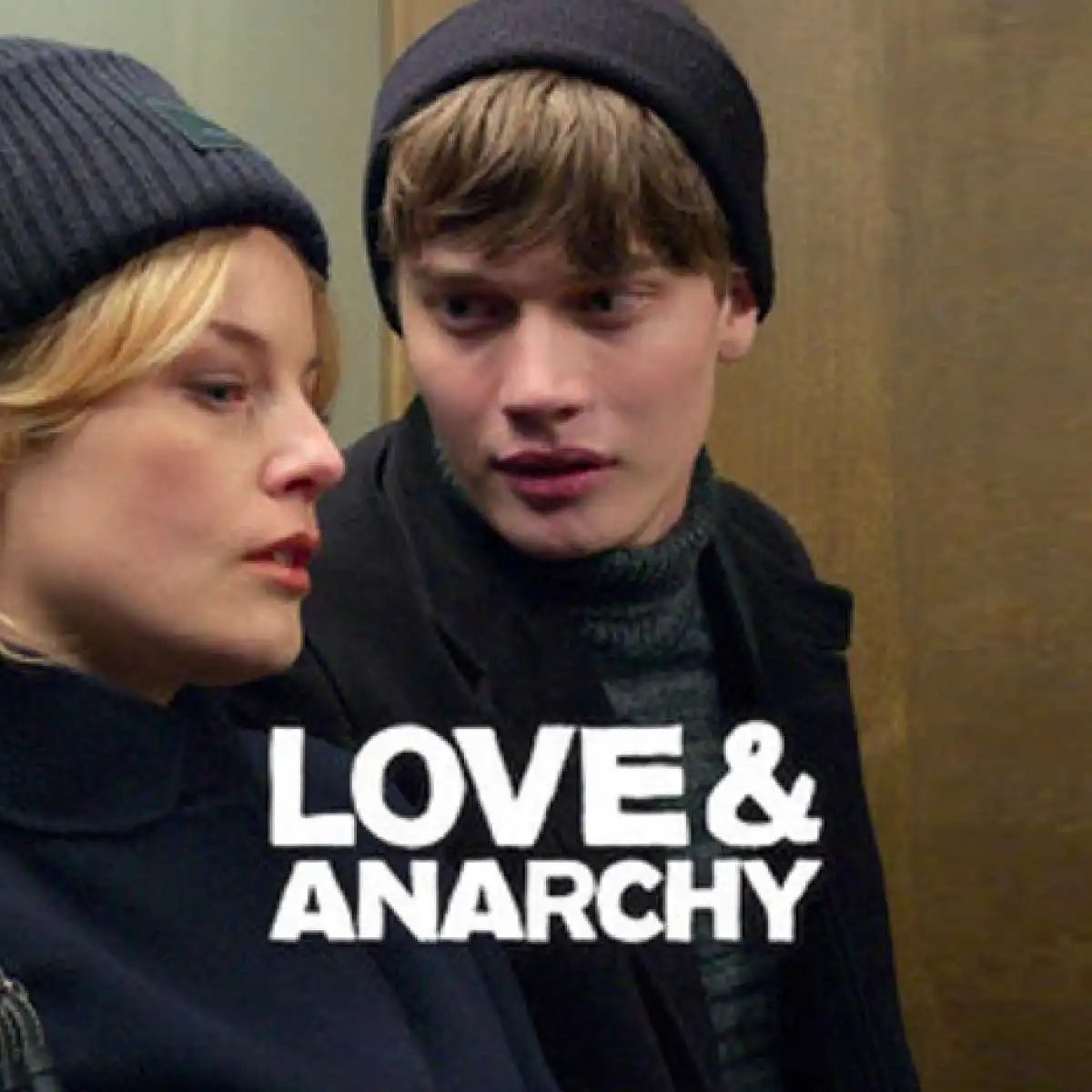
1. Anarchy of love
- Original name: Kärleksankariti
Country: Sweden - Genre: Drama/Romance
At first glance, Love Anarchy may seem like an standard romance. It’s not. The show, set in near-future Sweden, is about young people who reject social norms and traditional relationships. It’s a raw, unfiltered look at love, friendship and rebellion.
The show gained attention with its honest depiction of modern relationships and bold narrative choices. It’s not for everyone, but for those who enjoy a with a edge, character-driven drama, it’s a compelling watch.
2. Ragnarok
If “Love & Anarchy” was a bold step for Swedish streaming into adult territory, “Ragnarok” is a lightning bolt of cultural collision. Created by Jens Christian Sørensen for Netflix, this Norwegian series is based on Norse mythology and Norse mythology. It is weaponized in modern times.
The premise may seem simple, but it is richly layered. We follow Einar Seland, a teenager who returns to his small, foggy hometown of Edda after the sudden death of his father. Edda is more than just a small town. Located in a valley surrounded by glaciers and industrial giants, it hides centuries-old secrets. The story goes like this.
Enter the magic. Einar finds out that he might be the reincarnation of Odin, or at least someone connected to the return of the gods. The Aesir awaken, but not in the way you imagine. They’re not lounging on Mount Olympus. They have a textile factory that pollutes the city, manipulates politics and amasses wealth while the environment collapses.
This is where this show differs from your usual fantasy drama. It’s not just about fighting monsters. It’s about climate change, class struggle and the corruption of power. “Giants” are not just mythical beasts. They are an industrial elite who have exploited the land and its people for generations. The magical system is closely tied to nature, meaning that the more the environment is destroyed, the weaker or more desperate the gods become.
The cast brings a raw, youthful energy with great weight. David Stakston as Einar, perfectly captures the uniquely Nordic angst. He’s awkward, angry and trying to make sense of a world that keeps lying to him. The supporting cast, including Linn Skåber as the powerful Siren and Henrik Mestad as the mysterious Hoenir, add depth to this ancient and poignantly modern world.
Visually, Ragnarok is stunning. The cinematography captures the rugged beauty of Norway’s fjords and forests and contrasts nature with the gray, oppressive architecture of the industrial area. This is a visual metaphor for the central conflict between nature and industry, truth and corporate lies.
The first season aired in 2020, when the world was in lockdown, and was both an escape and a mirror. Season 2 arrives in 2021, raising the stakes and deepening the political intrigue. The show doesn’t shy away from complex relationships or moral ambiguity. Who is the hero? Who is the villain? In a world where the gods are flawed and the humans are compromised, the lines blur.
Critics praised the new interpretation of the myth. It’s not a retelling. This is a reinterpretation. The story is about what would happen if the old story was true, but the monster was not a mountain monster but a monster in a costume.
Ragnarok is available on Netflix. This is a series that will capture your attention, reward careful viewing, and make you question the stories you hear about power and nature.
Netflix’s Ragnarok is more than just a fantasy series. Set in the fictional Norwegian town of Edda, this is a high-stakes conflict between ancient Norse mythology and the modern climate crisis. The story revolves around environmental pollution caused by an industrial factory owned by the Jutul family—secretly a clan of jötnar (giants). High school student Magne confronts them. His life changes when his friend dies under mysterious circumstances and he learns that he is the reincarnation of Thor.
Season 1 of the series premiered on Netflix in January 2020 and season 2 in May 2021. The series is Netflix’s third Norwegian original series after Lilyhammer and Home for Christmas. The drama produced by Denmark’s SAM Productions wrapped up its story arc. It has been confirmed that Herman Tømmeraas, who plays Fjor, confirmed the third and final season in November 2021. The final season will air on August 24, 2023.
Ragnarok combines an adrenaline-filled adventure with a scathing critique of environmental neglect. It moves the war between gods and giants into a modern setting and gives the mythological plot a sense of urgency. The cast includes a number of young and talented Norwegian actors, including David Stakston, Jonas Strand Gravli, Herman Tømmeraas, Theresa Frostad Eggesbø, Synnøve Macody Lund and Gísli Örn Garðarsson. Creator and writer Adam Price, known for such works as Borgen and Herrens veje, adds political and emotional depth to this fantasy framework. For fans of Norse lore and gritty drama, this is an exciting viewing experience not to be missed.
The Rain
Netflix’s The The Rain is a different take on the Scandinavian dystopia. After a virus has wiped out most of the adult population, a group of teenagers emerge from an underground bunker. The series, which ran for three seasons from 2018 to 2020, explored survival, trust and the breakdown of social structures in post-apocalyptic Denmark.
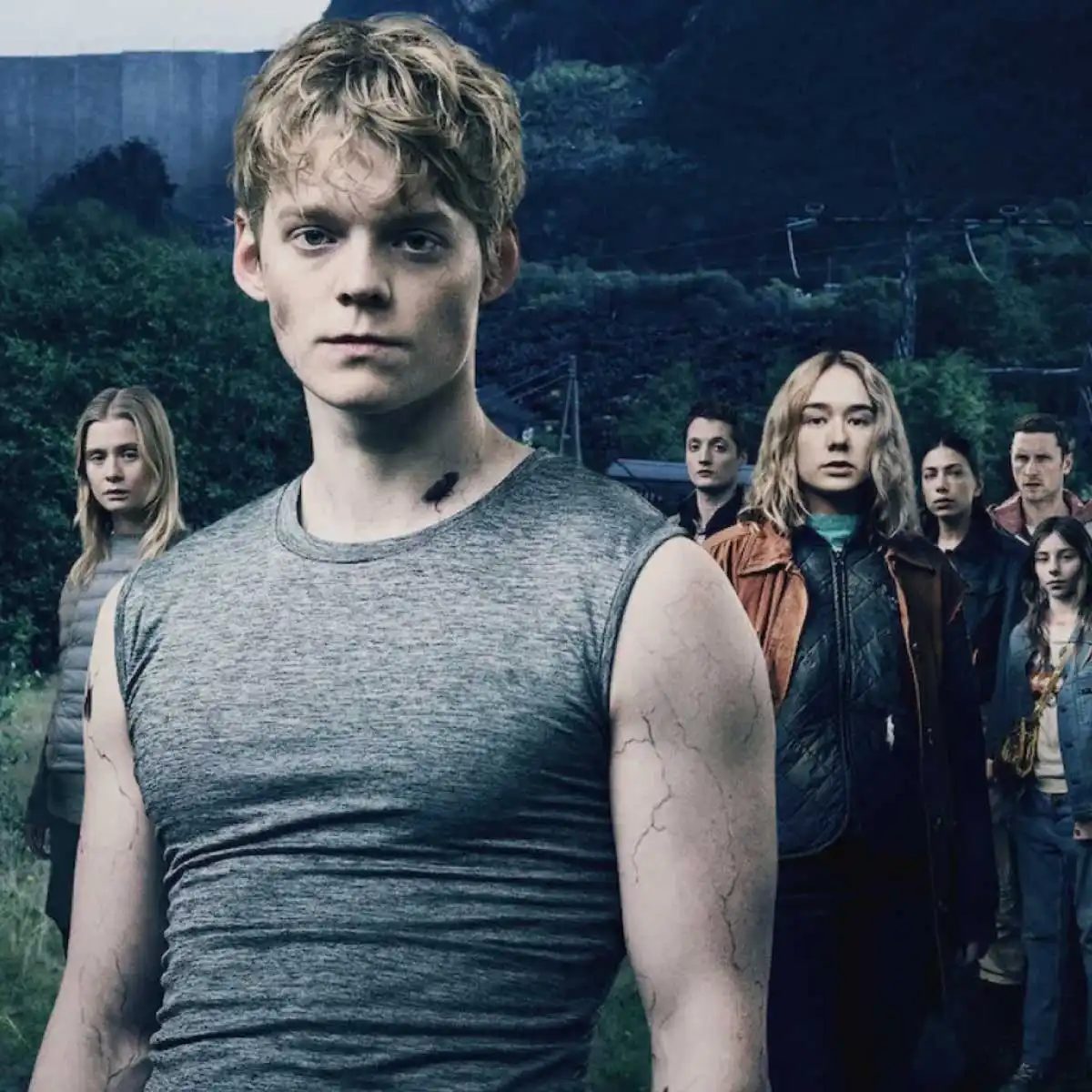
Netflix’s first Danish original. This is the hook. The Rain didn’t just The Rain, it dumped a deadly virus in the The Rain s of Scandinavia and wiped out almost everything. The premise is simple. A storm is coming. Water carries pathogens. If you touch it, you die. Even worse, it can become an mindless aggressive threat.
The first season was released in 2018 and solid reviews. Critics love it. Fans have been stuck around for sequels in 2019 and 2020. But this show isn’t all about survival against a microscopic enemy. It’s about survival against each other.
Why The Rain helps
Rain isn’t the only scary thing. This is a social collapse. Characters like Alba August, Lucas Lynggaard Tønnesen and Mikkel Boe Følsgaard must navigate a world where trust is a burden. Love? It’s still there. Are you jealous? Amplified. Fear? Constant.
Creators Jannik Tai Mosholt, Christian Potalivo and Esben Toft Jacobsen have created a drama that questions human nature. You can feel the tension even if you look away from the zombie for a moment. It appealed directly to fans of Nordic noir who wanted something faster, bloodier and less slow-burn.
If you were to ask me which Scandinavian series offers without the pretension post-apocalyptic drama, this is the answer. This proves that Denmark can create global pop culture.
River: The Psychological Twist
And then there’s the river.
If “Rain” refers to external threats, “River” refers to internal corruption. this isn’t a zombie flick, starring Shaun Evans as Detective Inspector John River, is not a zombie movie. This is a psychological thriller with a heavier, dirtier feel. Rivers see things. Ghosts. Voices. He is haunted not only by the dead, but also by his own guilt.
The show examines how trauma fractures identity. Unlike Rain’s clear “us vs. them” dynamic, “River ” blurs the lines between detectives and suspects. It’s darker. Less hopeful. But it is more complicated.
Both shows touch on the same vein of isolation. Whether it’s a The Rain -soaked Danish island or a London detective drowning in hallucinations, the question is the same. How much can a person carry before breaking?
The Rain broke in seasons. River breaks you, piece by piece.
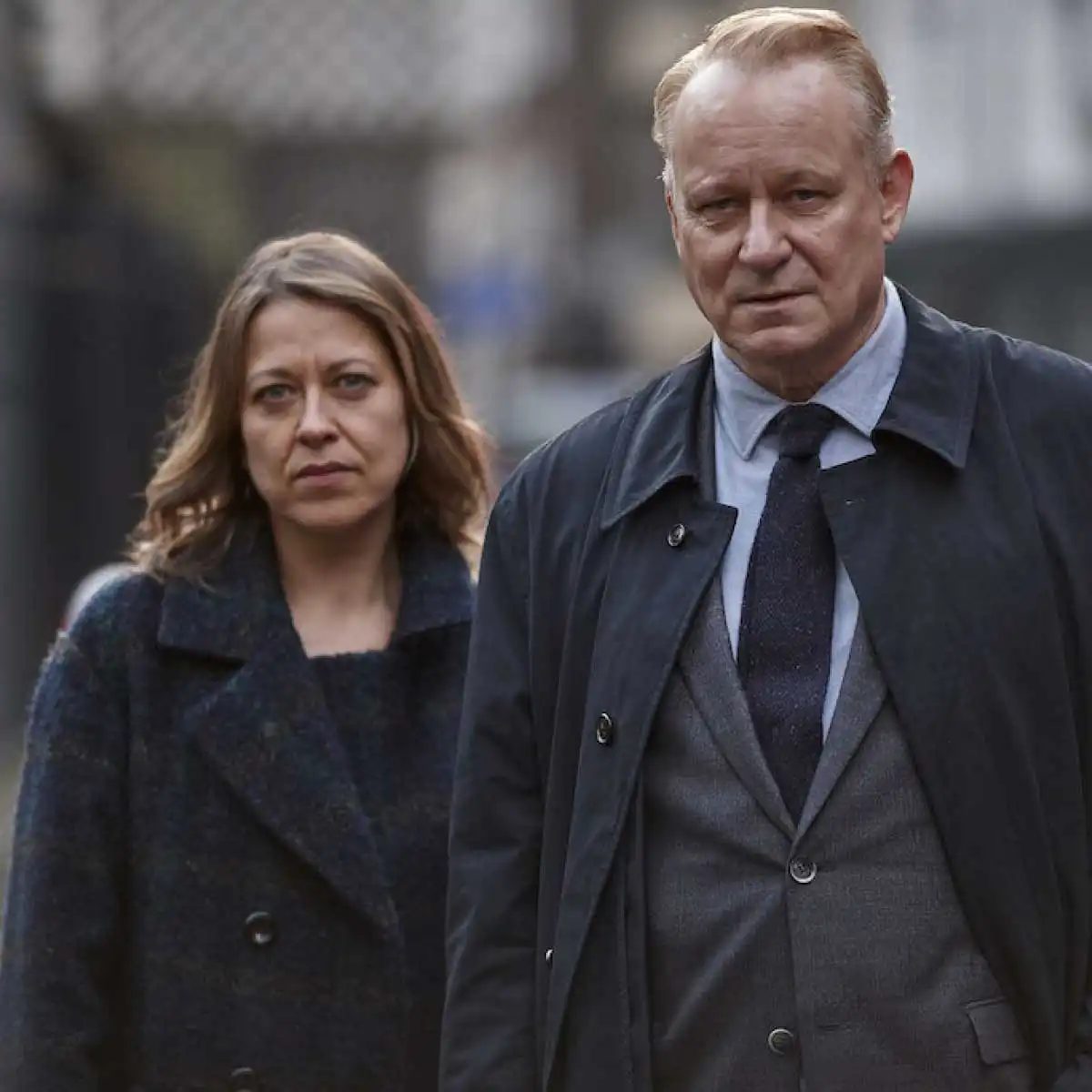
The River series has moved away from the sterile procedure format. It transports you directly to the politically tense and frozen border area between Norway and Russia. Here, the Cold War feels more like a lingering draft than history. Creator Abi Morgan brings a unique psychological weight to the screen. Stellan Skarsgård plays troubled detective John River. Nicola Walker also plays a supporting role. The show first aired on BBC One in October 2015, and Netflix followed suit, followed shortly after in November.
River is more than just a cop. He is drowning in guilt. The main conflict is internal. He sees the ghosts of his victims. These visions were both his greatest asset and his greatest curse. He talks to them to solve the crimes. He also argues with them to survive his own broken mind. The atmosphere is very strong. The score is haunting. Acting is alive. This is more than just a crime drama. This is a study of people among the best of the Nordic wave.
How Skam became a cultural phenomenon
Then there’s Skam. Produced by NRK (Norwegian Broadcasting Corporation). It started as a web series and later became a worldwide hit TV show. The premise is deceptively simple. It follows the everyday life of students at Hartvig Nissen School in Oslo. But calling this a “teen drama” understates its impact. It revolutionized the way stories were told to young audiences.
The show focuses on new student Isak Valtersen and deals with love, identity and friendship. It describes the anxiety of young people in the digital age. The story unfolds in real time. You read texts from a fictional character’s Instagram account. You listen to their Spotify playlists. You watch vlogs they post online. The show breaks the fourth wall by using actual social media platforms. This creates an immersive experience that traditional TV cannot match.
Why does it resonate so deeply? Because it takes teenage emotions seriously. It deals with issues of mental health, sexuality and religion with nuance. It did not moralize. It just shows life. The characters feel very real. Their mistakes feel very real. The soundtrack was a chart success and introduced Norwegian indie pop and electronic music to audiences around the world. Skam proves that local stories can have universal appeal. It sparked adaptations from France to the Netherlands. The original Norwegian series remains the gold standard for integrated storytelling. It blends fiction with non-fiction media seamlessly. The result is a program that feels more like living inside the TV than watching it.
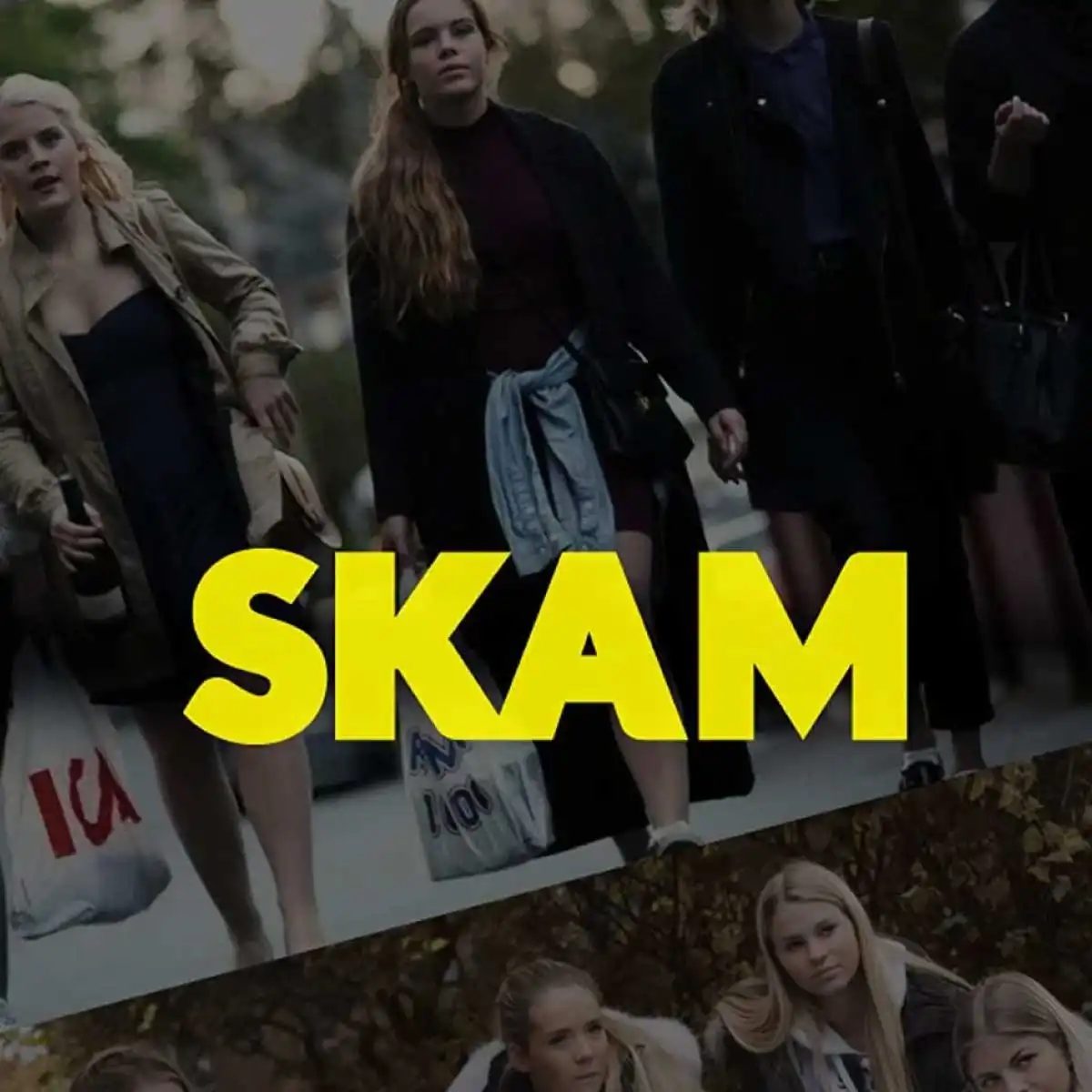
The global impact of #Skam and beyond: why it still matters
Skam in Norway is not just broadcasting. It exploded. Produced at Hartvig Nissen High School in Oslo, this youth drama premiered in 2015 and ended in 2017, becoming a cultural phenomenon. This is not your typical teen show. Instead of a polished script, it offers raw slices of everyday life as young people explore friendship, identity and crisis.
What makes it tick? Each season the focus shifts to a different central figure. This narrative choice allows the show to confront pressing real-life issues such as sexuality, religion, peer pressure, violence, harassment, homophobia, and Islamophobia. The conversations feel very real. The stakes felt personal. It expresses the voice of youth culture with urgency and sincerity.
Both critics and fans agree. Skam has an 8.7 rating on IMDb, making it one of the most acclaimed series of the last decade. But its influence extends far beyond Norway. The format has inspired adaptations in dozens of countries, proving that its themes have universal resonance. It left its mark on the genre and set a new standard for how a teen drama can deal with complex social issues with nuance and realism.
6. Department Q
While “Skam” is redefining teen television, another popular Danish show is quietly creating its own legacy. Department Q (originally named Kvindecommissæren or The Commissioner in the original novel) is the opposite of Skam’s emotional directness. The rough police procedure is based on Jussi Adler-Olsen’s bestselling novel, but with a unique twist.
The show focuses on a forgotten branch of Copenhagen’s police force. We deal with unsolved cases that no one wants to touch. The unit is headed by Carl Morck, a former detective whose career was derailed by a personal tragedy. He is joined by Assad, a bright and eccentric Arab-Danish police officer, and a handful of misfits.
The strength of this show is its atmosphere. Dark, atmospheric and unforgiving. Unlike the fast-paced, social-media-driven rush of Skam, Department Q takes time. This allows the mystery to breathe. Each season is based on a different novel in the Adler-Olsen’s series and explores themes such as bureaucracy, corruption, and the lingering shadows of past crimes.
The acting is excellent, especially Jesper Christensen as the brooding Morck. The supporting cast is equally compelling, each bringing their own flaws and strengths to the team dynamic. The film captures the winter landscape of Copenhagen and adds to the sense of isolation and tension.
While “Skam” focused on the inner lives of teenagers, “Department Q” looks outward and examines the social structures that allow crimes to go unsolved for decades. The burn is slower, but your patience will be rewarded. For lovers of Nordic noir, this is a must-have watch that offers a new escape from everyday life.
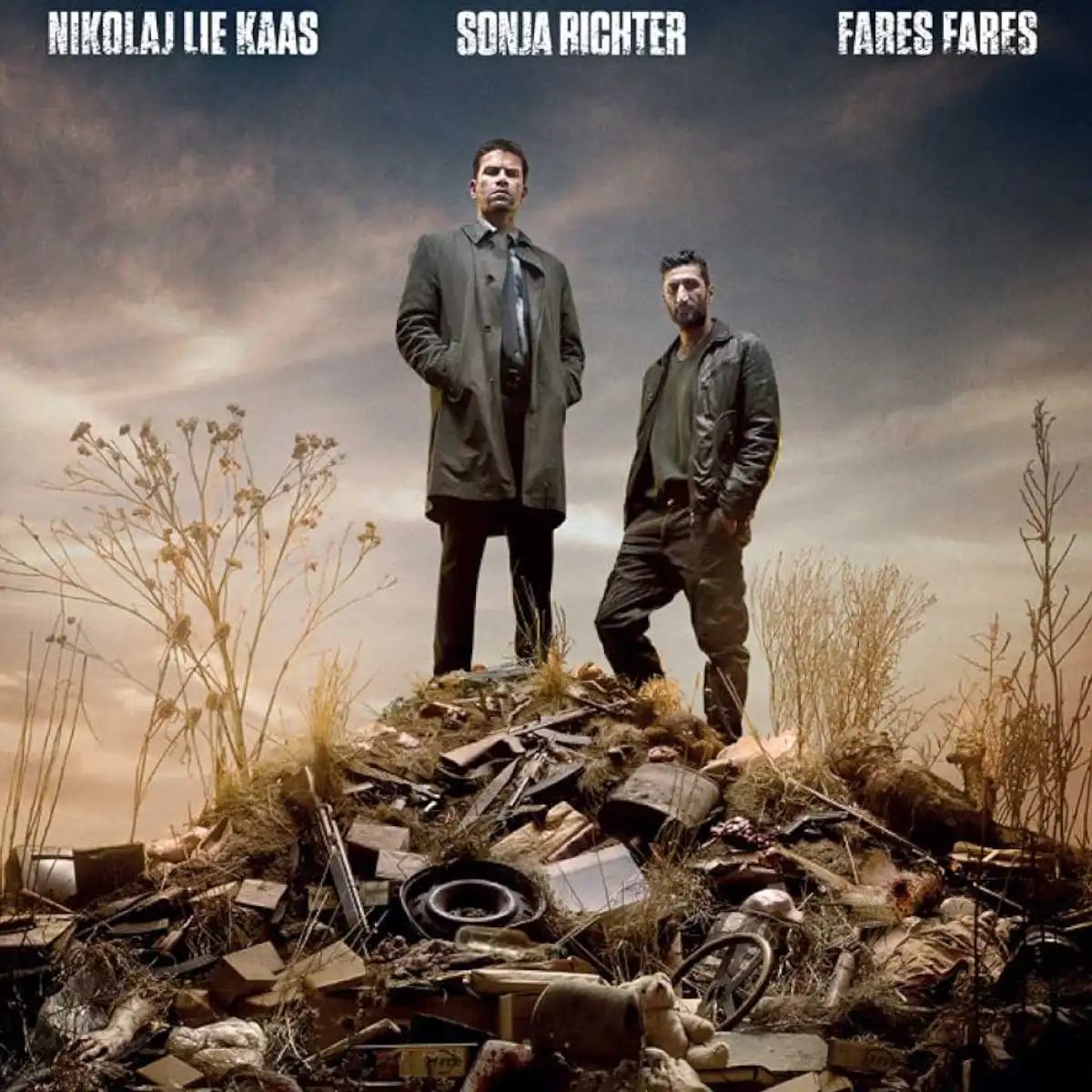
Department Q: From Danish Crime Cases to Scottish Retellings
You already know the name. Department Q is the intersection of two very different adaptations of Jussi Adler-Olsen’s best-selling Scandinavian noir series, both of which have created their own space within the crime genre. If you’re wondering whether to watch the new series or revisit the films, the difference is clear. The current television version produced by Netflix is a complete rewrite. Director Scott Frank moves the entire action from Copenhagen to the rugged, windswept landscapes of Scotland. Matthew Goode stars in the title role, supported by a strong cast including Chloe Pirrie, Alexej Manvelov, Leah Byrne and Kelly MacDonald. This is an eight-part series and is set to be released in 2024. The films, by contrast, stayed true to the source material.
The Danish Films That Started It All
Before Netflix’s reboot, Department Q films dominated the Scandinavian box office from 2013 to 2021. Five films were made, each based on the raw, unflinching tone of Adler-Olsen’s novel. Nikolaj Lie Kaas and Fares Fares anchored the series, playing cynical detectives tasked with solving cold cases that no one else wants to work on. These films were not only financially successful; they became the gold standard for local crime dramas. They were praised for their cold-blooded murders and complex, flawed characters. The atmosphere was thick, the pacing deliberate and the storytelling is faithful to the original. That fidelity built their reputation.
Nordic Noir and the Scottish Shift
Department Q is widely regarded as one of the best examples of the Nordic noir genre, but the new adaptation asking a different question. What happens when you take it out of the Danish context and put it in a Scottish context? The genre’s hallmarks of crime, mystery, suspense and drama are still there, but the style has changed. The series promises to blend these ingredients in a way that feels fresh, not derivative. For fans of the genre, this change is significant. It’s not just a translation; it’s a transformation. The question is whether the core of the story survives the move. Early reports suggest the answer is yes, but execution will determine its success.
Why Forbrydelsen is important in this discussion
More broadly, when talking about high-stakes Scandinavian crime dramas, Forbrydelsen (The Killing) is often mentioned. Department Q, however, offers something a little different. It focuses on a specialized unit working on a cold case. This premise allows for a deeper character study than Forbrydelsen’s weekly investigative style. When comparing the two, keep in mind that Department Q tends more towards the cold cases procedure, while Forbrydelsen focuses on the immediate and high-pressure search for the killer. Both are great but have different vibes. The new Department Q series aims to bridge that gap by bringing the procedural depth of film to the modern TV format.
What to expect from the 2024 release
Scott Frank is known for his work on Mindhunter and Ozark, so he brings a certain texture to this project. The decision to cast Matthew Goode in the lead role suggests a lead who can balance charm with.
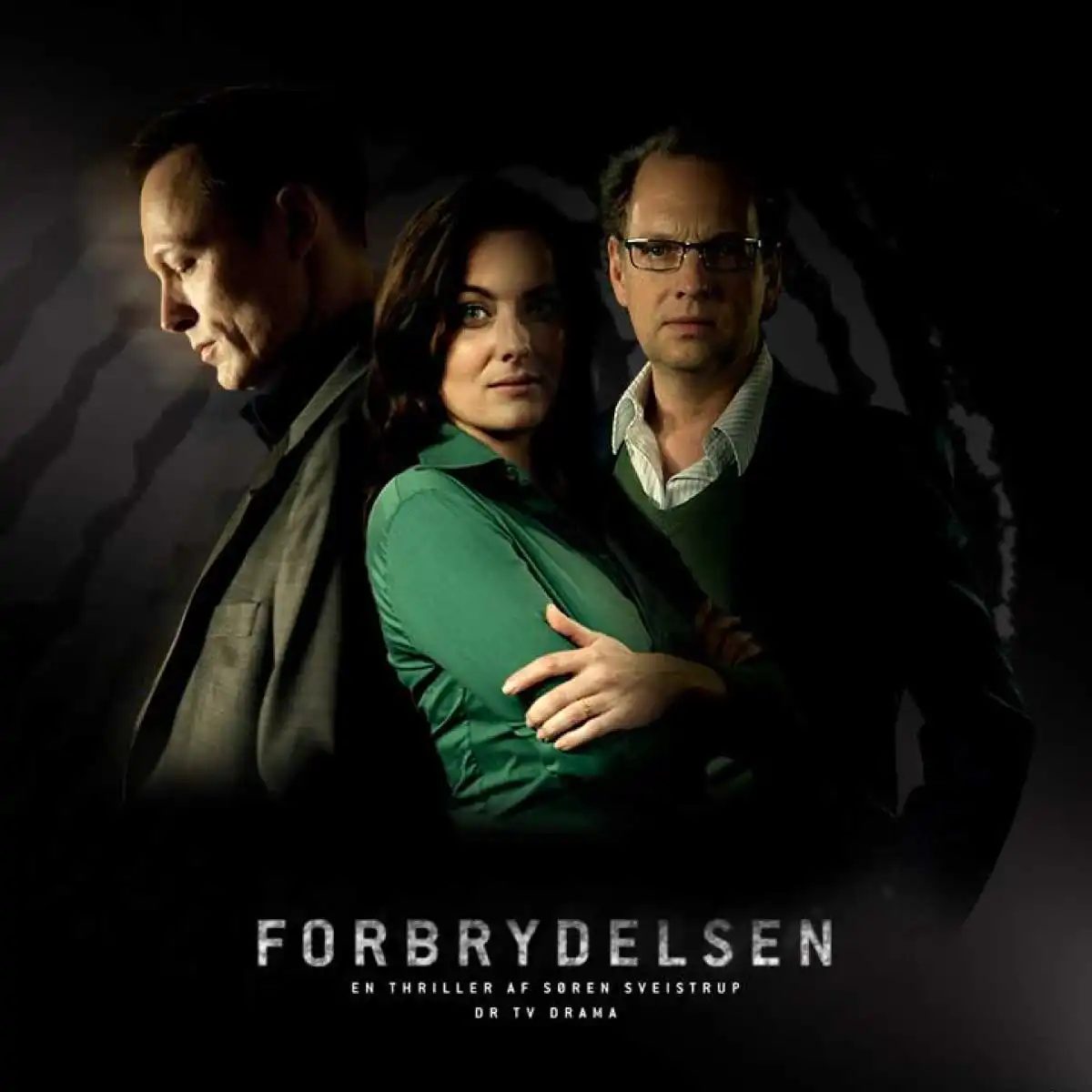
The tension in Copenhagen doesn’t just rise; it suffocates. By the time the third and final season of “Forbrydelsen” (known internationally as “The Killing”) aired, the show had shed the skin of a standard procedural. It’s not just about who killed who anymore. It’s about what happens when an entire city stops breathing.
This isn’t a season. This is a siege.
Twenty episodes. One hostage crisis. Zero breaks.
Over the course of three seasons, the show charted the geographies of grief, power, and moral compromise. Season 3 takes that map and burned it. The plot revolves around the takeover of Copenhagen’s city hall by a group of right-wing extremists led by Anders Vestergaard. The hostages? The Prime Minister, his cabinet, and several journalists. Who are they trying to negotiate with? Sarah Lund.
The Ultimate Test for Detective Sarah Lund
Sarah Lund has always been an outlier in the police force. cold. Ruthless. They are not interested in the social benefits that bind other civil servants. But in the third season, even his illusions of professional transcendence disappear. He’s not just a detective anymore. He was the key to saving the government.
Vestergaard knew Lund. He respects her persistence. He uses this respect as a weapon. The negotiations are psychological warfare. Each demand raises the stakes and forces Lund to make choices that jeopardize his morals, his safety, and his sanity. The show doesn’t let the audience look away. The camera lingers on the sweat on Lund’s forehead. The silence in the City Hall is deafening.
Why does this work? Because Forbrydelsen has spent two seasons building a world where all the characters are flawed, compromised, and lying. You can’t trust the politicians. You can’t fully trust the police. You can’t even trust the victims. This season, viewers will have to sit uncomfortably close to Lund. There is no hero. There is only survival.
The Political Machine vs. The Individual
The hostage crisis exposed the decay of Denmark’s democratic system. Politicians care more about their traditions and the next election than about life inside the building. The media circus that has formed outside increases the pressure. The public observes, judges and demands consequences, not realizing that the truth is much messier than their rhetoric allows.
Lund was completely isolated from the outside world. This season, her partner is Anders Westergaard’s former ally turned hostage negotiator, and their relationship is fraught with tension and betrayal. This program analyzes the relationship between the state and its people as the theme of the hostage situation. Who does the government serve? people? Or is it stronger?
“The question is not who is to blame; the question is who is willing to pay the price for the truth.”
The visual language of despair
Copenhagen’s winter light, usually a feature in itself, has become a prison. Gray skies, damp pavements and sterile power halls all create a sense of claustrophobia. Film shoots are getting tighter. Close-ups are the norm. Wide shots that once showed the city’s beauty now emphasize its fragility.
The sparse, dissonant score reflects Lund’s inner life. No way to win here. only
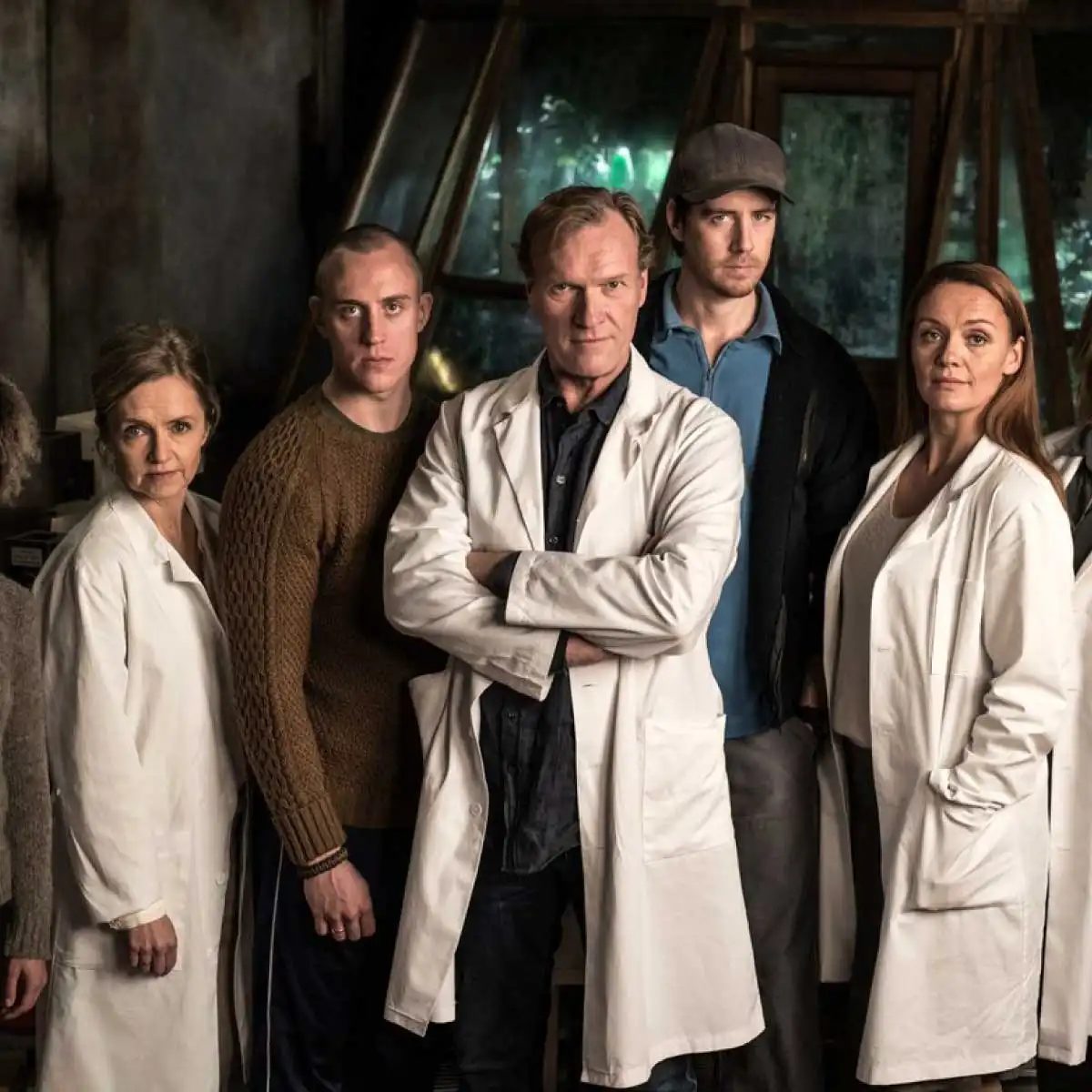
Why #Valkyrien’s underground clinic is Scandinavia’s most notorious illegal hospital
The setting of Valkyrion is hits that specific nerve for fans of Scandinavian noir. This show is more than just a medical drama or a crime thriller. it forces them to collide in a damp, abandoned subway station. The program shown on NRK1 in 2017 is named after the real-life Valkyrien subway station in Oslo. a place was falling into disrepair as the city above continued to move.
The story begins with Ravn Eikanger, a surgeon pushed to the brink. When the medical board denies him permission to perform an experimental procedure on his dying wife, he did not accept the verdict. Instead, he arranged for her to commit suicide. He smuggled her body to Valkyrien and turned a forgotten train station into an temporary hospice. This is where Leif Lien comes into play. Leif is the technical director who runs Oslo’s network of underground shelters, preparing them for disasters that may never happen.
Leif makes a deal with Lavigne. He allows the doctor to stay at the station, but there’s a catch. Leif hopes Lavigne will use her skills to treat people who have lost faith in the public health care system. The result was a secret hospital. This is a place for the marginalized, the uninsured, and those who simply don’t trust the authorities. The paranoia of living on the edge is evident throughout each episode, as two men live precarious lives beneath the city.
The real-life inspiration behind Valkyrien metro station
You might wonder why the plot around the subway station’s underground clinic feels so grounded. It’s because the setting is real. Valkyrien metro station is an actual station in Oslo, which is part of the city’s extensive tunnel system. It was closed to passengers, and the concrete halls is empty and echoing. This architectural reality provided a perfect cage for the show’s tension.
The show uses this “Scandi noir” feel to explore themes of isolation and moral ambiguity. By choosing an abandoned transportation hub, the creators emphasized the disconnect between the functioning city above and the hidden world below. It’s not just the background. it’s a character. The damp walls and flickering lights reflect the deteriorating health of Ravn’s wife and the crumbling ethical standards of the two doctors.
How the underground clinic works
The dynamic between Ravn and Leif is the driving force behind the show. Driven by love and desperation, Raven is willing to break any law to save the woman she loves. Leif, on the other hand, is pragmatic. He sees the clinic as a way to control a part of the population that had been neglected by the state. He provides infrastructure and security. Ravn provides medical expertise.
This arrangement creates a unique ecosystem. The clinic is more than just a place of treatment. It is a sanctuary for people who feel abandoned by society. Patients come out of the shadows carrying their own secrets and traumas. The show doesn’t shy away from the complexity of these cases, using them to criticize Norway’s healthcare system while keeping viewers hooked on the main mystery: can Ravn keep his wife alive, and how long can this secret stay buried?
The tension in Valkyrien comes not just from the
Jordskott
Let’s talk about the Swedish show that made everyone stop scrolling. Jordskott is more than just a police procedural. This is an atmospheric, slow-paced thriller that feels more like a novel than a TV series. The series is based on Camilla Läckberg’s novel of the same name. You probably know her name. She is a staple of the Scandinavian crime novel, and this adaptation brings her a signature mix of rural isolation and complicated family secrets.
The story focuses on a remote fishing village called Grönland. This is a place not listed on tourist maps. This is remote. cold. In places like this, the ground itself seems to hold its breath, so the secrets don’t stay buried for long. When a local woman disappears, the peaceful atmosphere of the town is shattered. The police arrived, but they weren’t the only ones searching the place. Local legends play a big role here. There were whispers of pagan rituals. Old debts. community that closes ranks faster than you can say “Syndicat”.
The cast carries the weight of this isolation. The main character is a detective with an inner demon played by versatile Swedish actor Peter Stormare. He is not the bright, perfect hero of American cop dramas. He’s tired. He’s flawed. He tries to understand the world that doesn’t make sense. The supporting roles are equally compelling, with established Swedish actors and rising stars bringing raw, natural energy to their roles.
What makes Jordskott unique is its rhythm. I’m not in a hurry. It leaves the silence hanging. It makes you feel the coolness of the humid air on the coast. The cinematography is stunning and captures the rugged beauty of Sweden’s west coast in an haunting way. The color palette is muted. Blues. Greys. The occasional splash of unnatural red. This is visual storytelling at its best.
The mystery itself is complex. It’s not just about who killed whom. The question is why. It’s about the history of the land. The way the past bleeds into the present. This series is about guilt. redemption. There is also the view that some places are cursed by human nature rather than magic.
If you’re looking for fast-paced action, this might not be it. But if you want a show, you can’t forget. It makes me think. This is a challenge where you work with a character and put together a puzzle. Then Jordskott is essential viewing. This is a testament to the power of Scandinavian noir. This goes to show that you don’t need explosions to create tension. All you need is a good story, a good setting, and characters that feel painfully real.
A second season (if there is one) will explore these themes in more depth. But even the first season was a complete and powerful statement. This is a reminder that the best crime stories aren’t just about crime. They are about people. The place. And the shadows that connect them.
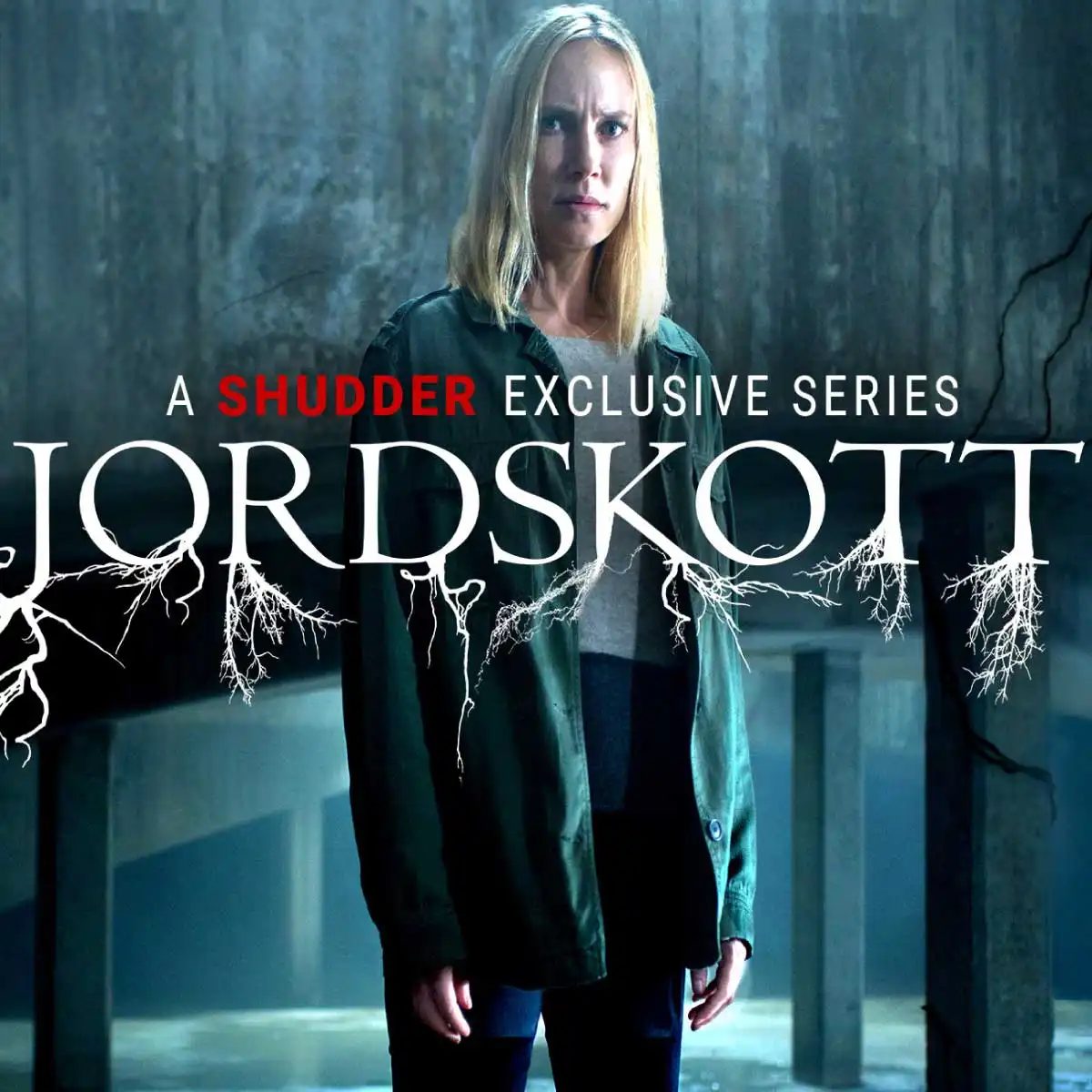
Eva Thornblad isn’t just looking for answers. He digs out the hidden truth in the forest where he doesn’t want anyone to disturb him.
That’s the charm of the Swedish crime drama “Jordscott” that won’t go out of its way. Created by Henrik Bjorn, the show takes the familiar Scandinavian noir DNA and adds a wilder twist. Something older. The result is a show that feels more like a dark fairy tale set in pine needles and police tape than a police procedural.
The detective returns to the forest
The story begins with Eva’s persistence and return to Silverhold, played by Moya Gamel. It’s a small town where everyone knows everyone and is quiet and noisy. His mission is personal. Seven years have passed since my daughter disappeared without a trace. The lawsuit was dismissed. The city moved on. Eva didn’t.
But fate, or rather the forest itself, had other plans. Shortly after Eva’s arrival, another child disappeared. This timing is no accident. out. Eva suspects that the two kidnappings are connected, but as she digs deeper into local history, things seem to be changing beneath her feet. These clues point to more than just murder. They showed something else. Something lurks in the shadows.
Why Joes Scott feels different than usual
Most crime dramas are based on fact. fingerprint. alibi. motivation. Jordskott throws these rules out the window and calls the paranormal into action. This is a bold move. Is it effective?
The show combines the rough realism of police work with ethnographic and ecological elements. Forests are more than just environments. This is the role. The foggy and dark landscape creates an unforgettable atmosphere. The music is tense, the colors are soft and the mystery is deep. You’re not just watching detectives solve crimes. You watch him uncover the secrets entangling the land itself.
“Jordscott combines the traditional Scandinavian noir genre with fairy tales and ecological elements to offer viewers an immersive and original experience.”
Castilla plays a crucial role
The quality of the script is determined by the actor’s interpretation. The actors give great performances here.
Moa Gamel plays Eva in the series. He is very sensitive. he is brave, he was exhausted. You believe in all of his grief and determination. He is the audience’s lens into this strange world, and we trust his instincts, even when the logic starts to warp.
She is supported by Goran Ragnarstam, who plays Eva’s former partner Goran Wass. Their dynamics are complex. There’s history there. A matter of trust. But there are also deep friendships that last a long time. Ragnarstan brings a grounded presence to the role, like a steady hand in a storm.
And Richard Forsgren plays Eva’s husband Tom Aronson. His playing is full of dramatic intensity. I could see the excitement in his eyes. Marriages are under pressure, which reflects the pressures of the city. This is a realistic depiction of the effects of trauma