


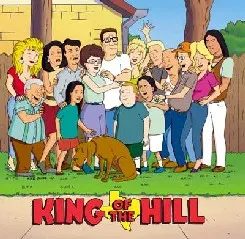
Hank Hill might look like he belongs on a magazine cover or in a high-end green room, but there is no air in his world. He doesn’t drink imported water. He doesn’t have a dressing room. He is, like Homer Simpson and Fred Flintstone before him, entirely two-dimensional. A cartoon character.
But don’t mistake simplicity for a lack of impact. Hank’s voice is recognizable. His face is iconic. He has a cult following that actually shows up for him. What makes “King of the Hill” different isn’t the character design. It is the revolution it sparked in television animation over the last fifteen years.
Shows like “King of the Hill,” “The Simpsons,” and “Family Guy” proved one undeniable fact. Animation isn’t just for Saturday morning cartoons aimed at children. It handles sophisticated humor. It tackles complex themes. It appeals to adults who want more than bright colors and moral lessons.
The production side is just as dense. Getting an episode from a rough idea to your TV screen takes serious grind. Lots of people work behind the scenes. Animators. Writers. Voice actors. Producers.
We are pulling back the curtain. We are looking at the people who actually make “King of the Hill” happen. How do animated TV shows get made? What goes into the machine? Let’s look closer.
The Big Picture
This isn’t just about drawing frames. It is about understanding the ecosystem that allows a fictional Texas town to feel real. The cultural shift started decades ago but accelerated when adult-oriented animation stopped being a niche gimmick and became a mainstream powerhouse.
Why did this happen? Audiences got tired of the same old fare. They wanted satire. They wanted edge. They wanted to laugh at things that mirrored their own lives, even if those lives were lived by people with yellow skin or plaid shirts.
The machinery behind these shows is heavy. It requires precision. It requires talent that often goes unnoticed by the casual viewer. But without that talent, there is no Hank Hill. No propane. No Louisiana. No cultural commentary wrapped in a suburban sitcom.
We are going to dig into that process. Not the glossy press releases. The actual work. The messy, creative, exhausting work that turns a script into something you watch at 11 PM on a Tuesday.
“Animation isn’t just for kids, or just for Saturday mornings.”
That line changed everything. It opened the floodgates. It allowed creators to experiment with tone, pacing, and subject matter in ways that live-action sitcoms simply couldn’t match. The visual metaphor is powerful. You can show anything. You can break reality without breaking the budget.
So how does it work? Who are the people involved? And why does it matter that we care about the production of a cartoon about a propane salesman?
The answers aren’t simple. They involve layers of ink, digital painting, voice recording, and editorial decisions that shape the final product. It is a collaborative art form. A team sport. And it is fascinating to watch how the ball moves from one player to the next.
Let’s start at the beginning. The idea. The script. The first spark that turns into a full episode.

Live-action television may seem like a smooth process on the surface. You have writers, actors, a few cameras and an audience. They shoot it, edit it and it’s aired. Ready. It is a straightforward pipeline.
Animated? This is a completely different animal.
It is a huge, labor-intensive animal. We’re talking dozens of people burning hundreds of hours into every single episode. In traditional animation – the style that still dominates the medium – there are no shortcuts. Each frame must be drawn by hand.
Let it sink in. A standard half-hour animated episode is about 20 minutes of actual content. To fill this time, you need about 30,000 individual images. Thirty thousand hand-drawn pictures. If that doesn’t sound stressful, think about the schedule.
A typical half-hour animation program is the result of a nine-month grueling journey. It’s not just drawing; It’s a complex choreography of eight main steps that turn a blank page into the performance you see on your screen:
- Writing the script
- The table read
- Recording voices and editing the soundtrack
- Creating a storyboard
- Creating the animatic
- Color creation
- Color editing
- Adding sound effects and music
We break down each of these steps. Let’s start from the very beginning, where everything starts with a blank page.
Writing the script
The process begins in the writers’ room.

The Brainstorming Phase
Every new season of King of the Hill starts the same way: the writing staff huddles together to pitch story ideas. It’s a chaotic mix of collective brainstorming, followed by the slow, painful process of narrowing down those concepts. Once the list is trimmed, the producers hand out the stories to specific writers or writing teams.
After a writer drafts an outline, the rest of the team gathers again. They pick the story apart, looking for holes in the logic and brainstorming fresh jokes to plug them.
The Freedom of Animation
Live-action writers have to deal with real-world constraints. You can’t just write a scene if you don’t have the budget for the location or if the actor is unavailable. King of the Hill creators don’t face those hurdles.
Dave Krinsky, the show’s Executive Producer, points out that the lack of physical production limits changes everything. “Because you don’t have to worry about sets, you can have many locations,” he says. “You don’t really have to worry too much about the reality of [physical production] when you’re writing your scripts.”
The rule is simple: if a writer can imagine it, it goes in the show.
Crossing the Line
Animation also offers a safety net that live actors can’t provide. Krinsky notes that there is a “slight distance” between the audience and animated characters. That distance lets the writers push boundaries that would get a live-action show cancelled.
Take an early episode where Hank Hill deals with constipation. It’s a bodily function joke that feels risky. “With a cartoon, you can get away with a little more,” Krinsky explains. He’s blunt about it. “We can show a lot of naked butts, which, other than ‘NYPD Blue,’ a lot of shows can’t get away with.”
The Delayed Gratification
It’s not all freedom. Krinsky admits there are tradeoffs. The biggest one is the lag time. Live TV gives you instant feedback. You write a joke, the camera rolls, and you hear the audience laugh. You know immediately if it works.
With animation, you don’t get that reaction until months later, if ever. This forces the writers and producers to trust their own comedic instincts. They have to guide the process without external validation. That means more revisions. More rewrites. More second-guessing.
“There’s a definite delayed gratification… whereas on live TV you get to hear the audience laughing.”
The Table Read
Once the scripts are tight enough, the team moves to the table read. It’s the first time the jokes are spoken aloud by the cast. It’s a different beast than reading silently. You hear the timing. You hear the pauses. You hear where the laughter dies.
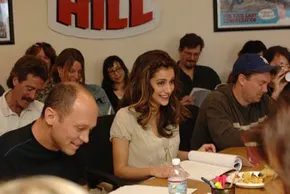

Table read process
As soon as the script appears on the page, the chaos begins. The entire cast, every writer, and everyone in the office who has a free hour is piled into one room. They read the script out loud. It’s not about re-enacting scenes with physical comedy. It’s about hearing the words.
This is where magic happens – or disaster. Writers listen carefully. They look around the room. Was this a joke? Did that line drag? They take notes. For the King of the Hill, the metric is simple. Did it make people laugh? If not, why not?
After the reading, the room empties. Writers reunite. They argue. They tweak. They rewrite. The goal is a final draft that actually works. It is then transferred to the sound stage.
Soundtrack recording and editing
This is the technical core of the show. The voice actors step in front of the microphone. There are no costumes. No sets. Just a booth and a script.
The director guides the performance. It’s fast. Lines are recorded in quick succession. If an actor messes up, they do it again. And again. Until it feels right.
Sound engineers capture every breath, every sigh and every subtle tone change. The sound is still raw at this point. It needs to be edited. Bad shots are deleted. Background noise is removed. The dialogue is cleaned up.
Then comes layering. Sound effects are added. The chair creaks. The distant hum of a grill. The specific, oppressive silence of a Texas afternoon. These sounds are crucial. They build the world. Without them, the show feels flat.
Music is the next layer. The score creates the atmosphere. It can be ironic. It can be serious. It shows the audience how they should feel, even if the characters act like they don’t.
Everything comes together in the mix. Dialogue is the focus. Sound effects fill the sides. The music sits below, barely noticeable, but always present. The balance is delicate. Too much music drowns out the jokes. Too few sound effects make the world feel empty.
The final mix is checked. Adjustments are made. A volume bump here. A fade out there. It’s painstaking work. It’s made by people who listen to the program hundreds of times. They know every sound. Every break.
Once the mix is approved, the episode is complete. It moves again from the technical area to the creative world. The editors cut the picture. They synchronize the sound. They check the time. The joke comes too soon. It has been moved. The dramatic pause is too long. It’s tightened.
This is the invisible art of animation. You don’t see the hours spent perfecting the laugh track. You won’t hear the hours you spend balancing the mix. All you see is Hank Hill, staring confusedly at the propane tank. And you laugh.
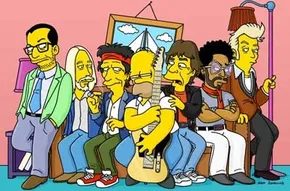

Once the script is locked and loaded, the actors trade their office desks for soundproof booths. The goal here is purity. You want clean dialogue, stripped of the ambient hum of the real world. But how that clean audio is captured depends on the producer’s philosophy.
Some shows play it safe, recording each actor in isolation. Line by line. Tone by tone. They might record a single line a dozen different ways to give the editors options later. Others prefer the chaos of a live room. They set up the cast like a classic radio play, recording everyone together in one take. It’s faster. It’s more spontaneous. And it often feels more alive.
Does it matter which method you choose? Not really. The final product is what counts.
This is also the moment where flexibility saves the day. You don’t need the entire cast in the room at once. Actors are busy. They have other gigs. Schedules clash. If a key voice is missing from the initial session, no panic. They record their lines later. Those new tracks get slotted into the mix. It’s a puzzle, and the pieces can arrive whenever they’re ready.
Laying Down the Audio Foundation
After the voices are captured, the real work begins. You have raw performance. Now you need a show.
“Editing the soundtrack is about a two-week process,” says Kenny Micka, Co-Producer of King of the Hill.
Micka’s team takes those isolated recordings and starts building. They assemble the pieces. They hunt for the best alternate takes—the ones where the actor slipped in a laugh or hit an emotion just right. They trim the fat. The target is precise: nineteen minutes and thirty seconds. Exactly.
The goal isn’t just to fit the runtime. It’s to make the jokes land. To make the pacing feel natural. They cut and splice until the writers and producers are satisfied. Once that audio track is polished, it gets shipped out to Film Roman, the animation house responsible for bringing the characters to life.
Storyboards and Artwork
While the audio is being mixed, the visual team is working in lockstep. Storyboards are drawn up, translating the script into a sequence of images. These aren’t just pretty pictures; they’re the blueprint for the animators. Every line of dialogue is matched with a gesture, a facial expression, a camera angle.
The art direction sets the tone. The backgrounds need to feel lived-in. The characters need to move in a way that matches their personality. It’s a meticulous process. One mistake in the storyboard can mean a day’s worth of wasted animation. So, they double-check. Triple-check.
The audio and the visuals are two sides of the same coin. You can have the perfect voice performance, but if the character’s mouth doesn’t move in sync, or if the background doesn’t match the scene’s mood, the illusion breaks. That’s why the handoff from the audio editors to the animation house is so critical. The animators need to see the timing marks. They need to hear the final cut. Only then can they make sure Hank Hill’s sigh sounds exactly as heavy as it looks.
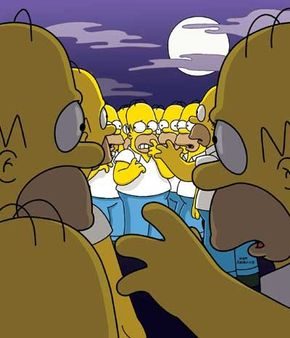

The bridge between a screenplay and a visual masterpiece is a storyboard. This is the first time art really meets words on the page. Directors use these pages of paper to map out the visual flow of an episode. Each page contains a boxed area with a rough outline of the activity. Below the picture you will find the character lines and certain camera instructions.
“Even though storyboards look boring on paper, they really mean a lot,” says Micka. “They are the backbone of the show.”
For animations, these boards need to be very detailed. They offer different camera angles and shots. More importantly, they develop a sense of timing and character performance. Once the director has the final script, he starts sketching ideas for the storyboard. Final panels will not be drawn until the soundtrack arrives.
Refining the Vision
Once the rough storyboard is approved by the producers, the lead animators begin creating key drawings. These artists do not fully animate the action. Instead, they capture the important moments of each shot in the scene. They also create all the necessary backgrounds, from interiors to street scenes.
To make the characters look cohesive, animators rely on character model sheets. This is a collection of drawings showing exactly how each character should look. The sheets describe the proportions of the body. They indicate the size relative to other characters. They show the character in different positions from different angles.
This is an important tool for making animated characters act like real actors. Without this guidance, one animator could draw a character differently than another, causing the character’s size and appearance to change throughout the show.
The Animatic and the Color
Once the finished storyboard is approved by the producers, it’s time to create an animatic. This is also known as the “pencil test”. This is a very rough animated sketch. It’s almost like a moving storyboard. Animators take the key pencil drawings and photograph them. This creates a representation of what the final product will look like.
Since it is not fully animated, the characters have jerky movements. Their mouths often doesn’t match his voice. The producers use animation to make sure the performances and comedic timing really work. It is the last chance to fundamentally change the direction of the story. At this point, big changes become expensive and take time.
When an animatic is complete and all the changes are made, the American animators send their key drawings to an animation studio in Korea. American television producers hire Korean companies because the Korean animation industry offers relatively low operating costs. It also provides access to a wide range of highly qualified artists.
In-ketweening and ink
In Korea, the first task is in-betweening. Imagine Hank Hill flipping a hamburger on his propane grill. American animators provide several key frames of this action. The first frame shows Hank with a spatula under the hamburger. The next frame has Hank’s arm is slightly raised and the hamburger is in the air. The third frame shows the burger lands back on the grill.
Korean animators start by animating each frame between each keyframe. This ensures that the movement looks smooth after an animatic.
After in-betweening is the ink and paint phase. Animators draw each image in ink on transparent acetate sheets. Then they are painted with the color. As computer technology advances, more and more shows use ink and paint digitally.
Once the inking and the coloring step is complete, each transparency is placed over its corresponding background image. It is then photographed to create a frame. The developed film is sent back to the United States for the next step in the process. The finished product is called the color.
Editing the Final Cut
Even with a fully animated product in hand, the show may not be finished. There may be the color errors that need to be retakes. Or the producers are unhappy with a joke or scene.
Animated replays can be expensive. Editors have found tricks to get the results they want without having to start over. “We can make a lot of changes with creative editing,” says Kenny Micka. “We can reuse an animatic so that the characters say new lines, or we can use footage from other episodes. We’ve actually created whole scenes from different footage from different shows. That’s not possible in a live action.”
This is one of the reasons why characters in animated series usually wear the same outfit week after week. This consistency makes it easier to pull animations from other scenes and other episodes.
Most of the time it works. But sometimes the borrowed shot looks a little off. Like a puzzle piece that’s just a millimeter too wide. You will only notice this when you know how to look for seams.
The Final Polish and Broadcast
Once the animation is “locked,” the heavy lifting shifts to the sound department. Engineers scrub vocal tracks for noise and layer in sound effects, a step that fundamentally shapes the show’s atmosphere. The approach varies wildly depending on the genre’s reality level.
“‘The Simpsons’ is more cartoonish, which is reflected in its exaggerated sound effects,” notes Micka. “Where ‘King of the Hill’ is more of a realistic show, and you hear stuff in the background like birds chirping, dogs barking, lawnmowers running.”
Music plays an equally pivotal role in setting the tone. For King of the Hill, an acoustic guitar often suffices to capture the right vibe, though full orchestras are deployed when the narrative demands it. The final mix ensures no element overpowers another—voices must remain intelligible over background scores, and sound effects stay at natural, believable levels.
After nine months of grueling work, the episode is complete. The production company delivers a high-definition master tape to the network, which then broadcasts it across cable, satellite, and terrestrial airwaves. Meanwhile, the assembly line never stops. More episodes are already deep in the pipeline, moving through pre-production and animation at various stages.
For those interested in the mechanics behind the magic, the industry relies on a blend of traditional film techniques and digital innovation. From web animation to 3-D graphics, the tools change, but the goal remains the same: telling a story.
Where to Look Next
If you want to dive deeper into the technical side of media production, several key resources offer detailed breakdowns:
- How Web Animation Works : Explores the shift from Flash to HTML5.
- How Television Works : Covers the infrastructure of broadcast networks.
- How 3-D Graphics Work : Dives into rendering and modeling.
- How Movie Projectors Work : A look at the mechanical roots of cinema.
- How Photographic Film Works : The chemistry behind classic imaging.
- How Video Formatting Works : Understanding codecs and resolution.
For industry-specific insights, these links provide direct access to professional standards and developer hubs:
- “King of the Hill” Official Site : Archives and behind-the-scenes content.
- Film Roman : The animation studio responsible for much of the show’s production history.
- Animation Magazine : News and trends in the animation industry.
- Persistence of Vision : Resources on visual effects and post-production.
- Animation Journal : Academic and professional discussions on animation theory.


