Stop throwing away yellowed sheets. You don’t need toxic bleaches to get that crisp white look back. Natural alternatives exist. They work. They are safer for your skin and the planet.
Why Your Whites Turn Yellow
Before we fix the problem, let’s look at the cause. Sweat contains proteins and fats. Body oils build up over time. Detergent residue traps dirt. Heat sets these stains in place. The result? A dull, grayish-yellow cast on fabrics that used to be bright white.
Standard bleach kills the smell but can weaken fibers over time. It also releases harsh fumes. Natural methods offer a gentler approach. They lift stains without destroying the fabric structure.
The Power of Sodium Percarbonate
Sodium percarbonate is the gold standard for eco-friendly whitening. It breaks down into soda ash and hydrogen peroxide when mixed with water. This reaction releases oxygen bubbles. The bubbles lift dirt from the fabric weave.
How to use it:
Dissolve one or two tablespoons in a little warm water. Apply directly to stubborn stains. Let it sit for ten minutes. Then toss the item in the wash. Add another tablespoon to the drum for overall brightening. It works best in hot water cycles. The heat activates the oxygen release.
This method is effective for cotton and linen. It is less ideal for delicate synthetics. Check the care label first.
Hydrogen Peroxide Soaks
Hydrogen peroxide is a stronger oxidizer. It works fast. But it requires dilution. Using full strength can damage some fabrics or cause discoloration.
Mix 30% hydrogen peroxide with water at a 1:7 ratio. Soak the yellowed items for one to three hours. Do not leave it longer. Rinse thoroughly before washing. This method is excellent for heavily stained collars and cuffs.
“Hydrogen peroxide breaks down into water and oxygen. No residue is left behind.”
The Chlorine Bleach Option
Chlorine bleach is powerful. It strips color and kills bacteria. But it should be used with caution. Overuse degrades elastic bands and weakens threads. It also creates environmental concerns when washed into water systems.
If you must use it, dilute it carefully. Use 100 ml of bleach per 5 liters of cold water. Soak for no more than twenty minutes. Rinse immediately and abundantly. Never mix it with other cleaners. The chemical reaction can be dangerous.
For most people, sodium percarbonate is a safer, equally effective substitute. Save chlorine for toilet bowls. Not your white t-shirts.
Marseille Soap and Sunlight
Real Marseille soap is made from vegetable oils. It suds well. It leaves clothes feeling clean without synthetic softeners. Softeners coat fibers. This coating traps dirt. Over time, the buildup causes yellowing.
Soap bars are different. They wash away residue. Rub the soap directly onto stained areas. Then soak the clothes in warm, soapy water for an hour. Rinse well.
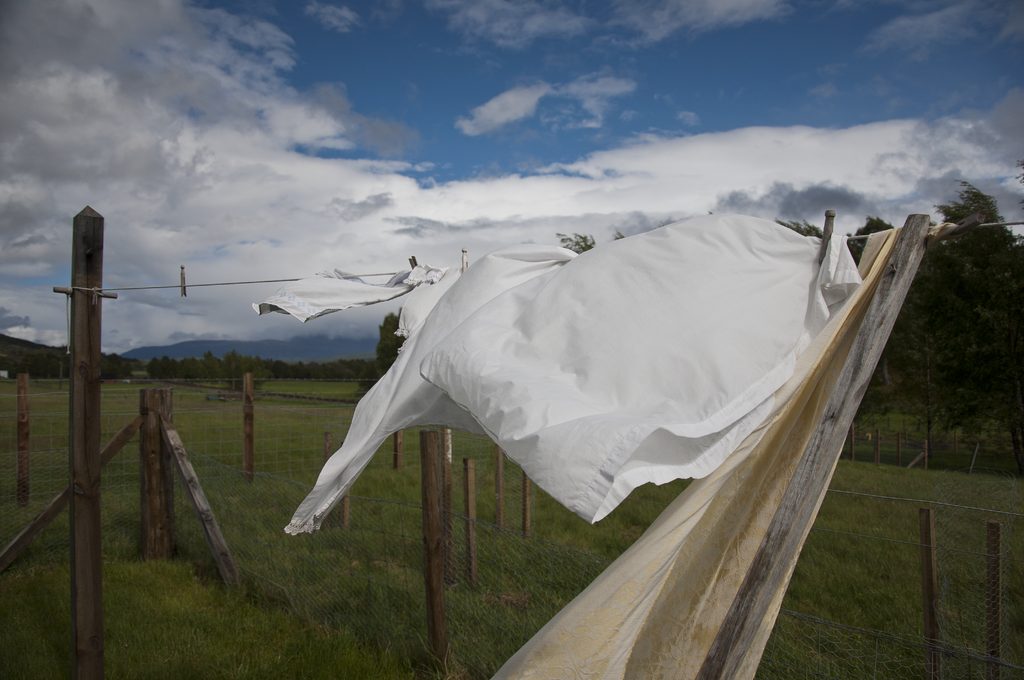
Here is the secret ingredient: sunlight. UV rays are natural bleaches. Lay damp white items in direct sun. The light breaks down remaining stain molecules. This old trick works wonders. It gives laundry a fresh,