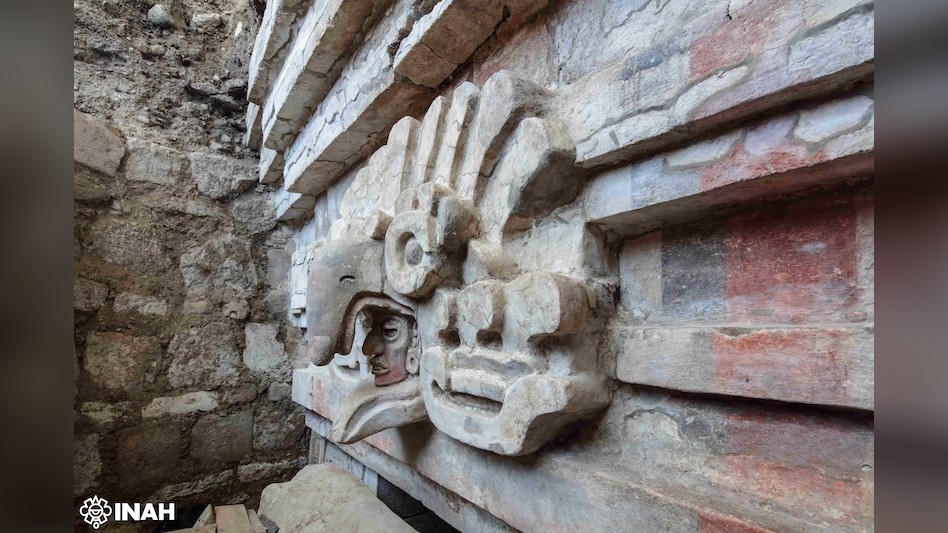
Archaeologists in Mexico have unearthed a remarkably preserved 1,400-year-old Zapotec tomb, featuring an imposing owl sculpture that embodies the culture’s understanding of death and ancestral reverence. The discovery, announced by President Claudia Sheinbaum Pardo, is considered the most significant archaeological find in Mexico in over a decade.
The Discovery and Historical Context
The tomb was located in San Pablo Huitzo, Oaxaca, dating back to around A.D. 600—a period when the Zapotec civilization flourished in southern Mexico. The Zapotec, known as the “Cloud People,” established a complex society around 700 B.C., lasting until the Spanish conquest in 1521. Despite centuries of decline, hundreds of thousands of Zapotec-speaking people continue to live in Mexico today, maintaining traditions linked to this ancient heritage.
The tomb’s existence came to light after authorities investigated reports of looting at the site. This underscores a critical issue: many Zapotec tombs have been plundered before proper archaeological study, resulting in irreversible loss of knowledge. The Huitzo tomb’s intact state is, therefore, especially valuable.
Symbolic Significance of the Owl
At the tomb’s entrance stands a striking carved owl, its beak agape to reveal the painted face of a Zapotec lord. In Zapotec culture, the owl represented both death and power, suggesting the sculpture held the likeness of an ancestor whom the tomb honors. This imagery highlights the Zapotec worldview where death was not merely an ending, but a transition governed by powerful symbols and ancestral spirits.
Intricate Details Inside the Tomb
Beyond the entrance, a carved doorway leads to chambers decorated with vivid murals in white, green, red, and blue. These paintings depict a funeral procession carrying copal—a sacred tree resin burned in pre-Hispanic Mesoamerican ceremonies. Above the doorway are stone slabs engraved with calendrical names, a sophisticated naming system where individuals were assigned symbols based on their birth date. Flanking the doorway are figures of a man and a woman, possibly ancestors or guardians of the tomb.
Implications for Understanding Zapotec Culture
Mexico’s Secretary of Culture, Claudia Curiel de Icaza, describes the tomb as an “exceptional discovery” for its preservation and the insights it provides into Zapotec social structures, funerary rituals, and worldview. The tomb’s architecture and paintings demonstrate a highly organized society with complex religious beliefs.
Archaeologists are currently working to conserve the site and analyze ceramic evidence, iconography, and recovered human bones. This tomb joins over a dozen other Zapotec tombs discovered in Oaxaca in the past decade, each contributing to a growing understanding of this ancient civilization.
The Huitzo tomb stands as a source of pride for Mexicans and a testament to the greatness of Mexico.
The preservation of this site is vital for future generations to study and learn from a culture that flourished for millennia before the Spanish conquest.