NASA is preparing for the Artemis II mission – a crewed flight around the moon – marking a significant step in the renewed push for lunar exploration. But this isn’t just about science or nostalgia; it’s about maintaining leadership in space, understanding Earth’s history, and preparing for deeper missions. The U.S. doesn’t want to cede dominance in space to competitors like China.
The Scientific Case for Lunar Return
The moon is a natural archive of the solar system’s past. Its surface, untouched by erosion or life, preserves a record of asteroid impacts that also affected Earth but have been erased here. Planetary scientist Sara Russell of the Natural History Museum in London explains:
“The moon has this 4.5-billion-year record of what has happened on its surface. We can see how affected it has been by impacts… which have also happened to Earth, but we don’t see evidence for that on Earth so easily.”
Studying lunar geology in detail, especially in areas untouched by prior missions like the south pole, can reveal how both Earth and the moon obtained water billions of years ago. The moon’s south pole is particularly exciting because it is thought to be rich in water ice.
Building Towards a Lunar Presence
Artemis II is the second phase in NASA’s ambitious program. The uncrewed Artemis I mission in 2022 paved the way, and Artemis II is designed to test systems before astronauts land on the lunar surface with Artemis III (planned for 2028). NASA envisions a long-term lunar presence, including a potential permanent base.
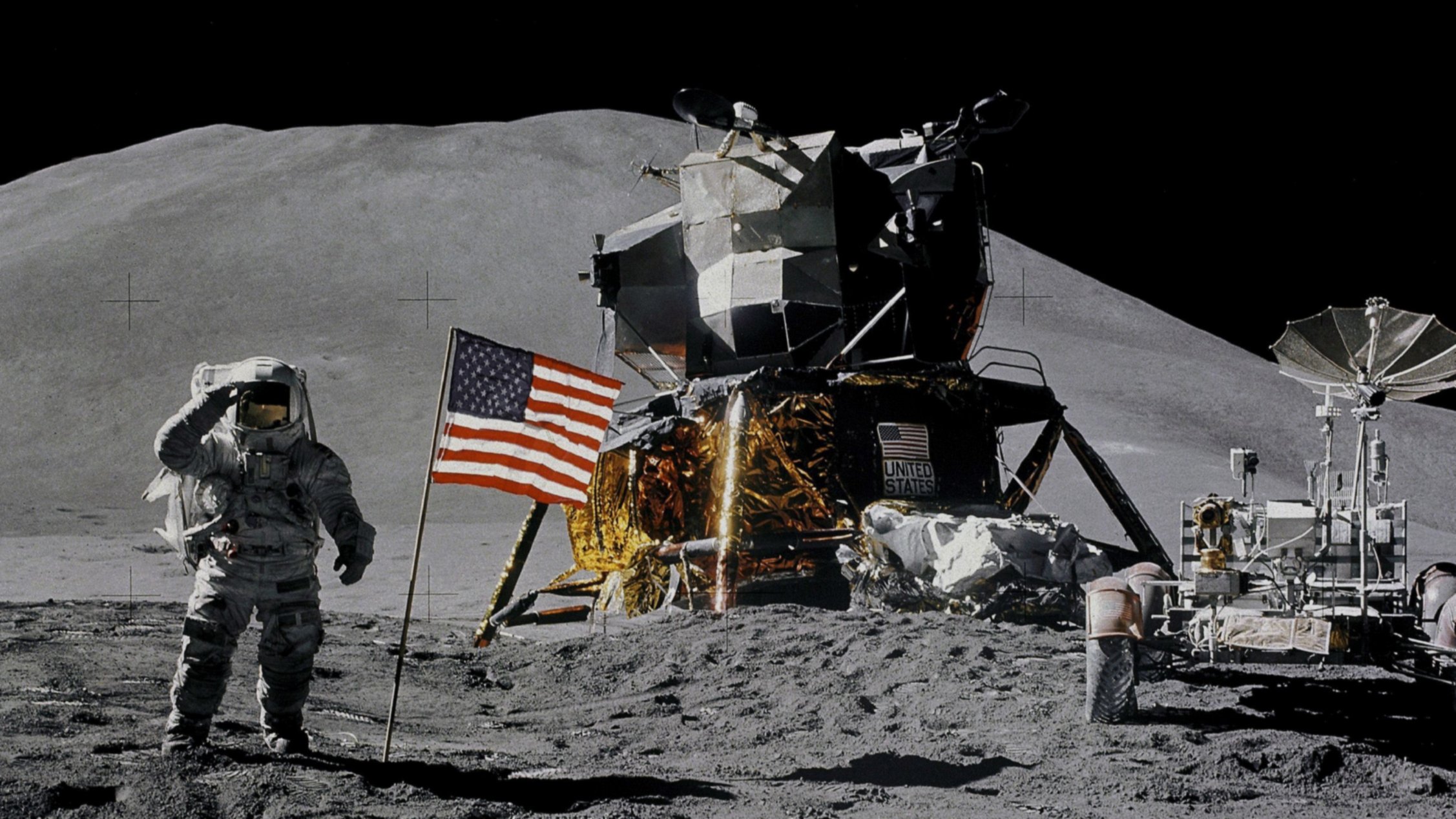
The Apollo missions provided initial lunar samples but only scratched the surface – literally. The Artemis program aims for broader exploration, including the previously unvisited lunar south pole.
Beyond Science: Human Factors and Resource Exploitation
The Artemis missions aren’t just about rocks and ice; they’re also about understanding how space travel affects the human body and mind. NASA will use Artemis II to gather data on astronaut health in deep space.
Additionally, NASA hopes to extract resources like water ice to create drinking water, oxygen, and rocket fuel on the moon, reducing reliance on Earth-based supplies. The moon also holds rare earth elements and helium-3, which could be valuable in future mining operations.
A New Space Race
The Artemis program is unfolding against the backdrop of a renewed space race. While the original Cold War contest was between the U.S. and the Soviet Union, today’s competition involves the U.S., China, Russia, and over 80 other nations with space programs.
The moon is now seen as strategic high ground, providing not just scientific and economic benefits but also security advantages. Robert Braun of Johns Hopkins University’s Applied Physics Laboratory notes that nations are racing to the moon for a combination of security, exploration, and economic objectives.
Ultimately, Artemis II and the broader Artemis program are about more than just going back to the moon: they’re about securing U.S. leadership in space, unlocking new scientific knowledge, preparing for future deep-space missions, and potentially exploiting lunar resources.