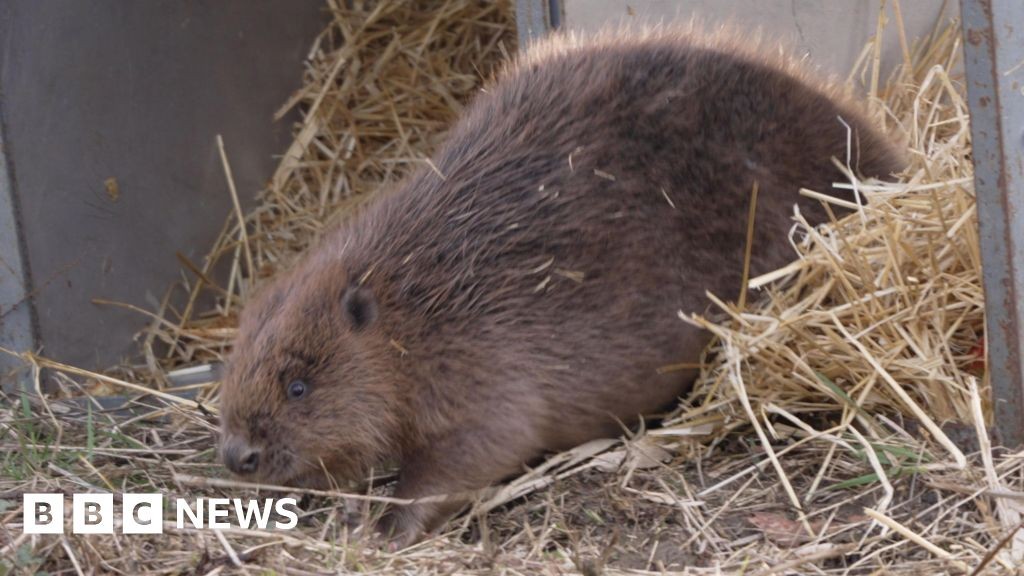
A family of beavers has been reintroduced to the West Glen River near Grantham, Lincolnshire, in what is being touted as England’s largest beaver enclosure. This initiative is part of a long-term ecological restoration project aimed at revitalizing the river and its surrounding wetlands.
The Goal: Restoring a Natural Ecosystem
For centuries, the West Glen River has been heavily modified for agricultural drainage, resulting in a straightened and deepened channel. The introduction of beavers is intended to reverse some of this damage by allowing the animals to naturally reshape the river. Beavers are known as “ecosystem engineers” because their dam-building behavior creates wetlands, which in turn support a more diverse range of plant and animal life.
The 200-hectare enclosure is secured with 6,000 meters of specialized fencing and features artificial lodges constructed by community volunteers. Claire Barrett of Nattergal, the company managing the project, stated that the beavers will “create an amazing complex of wetland habitats” benefiting numerous species.
Why Beavers Matter: More Than Just Dams
The release isn’t simply about reintroducing a species; it’s a strategic move to improve the river’s health and resilience. Beaver dams help to:
- Slow water flow : Reducing the risk of downstream flooding.
- Filter water : Improving water quality by trapping sediment.
- Create habitats : Supporting fish, birds, bats, and other wildlife.
Dr. Roisin Campbell-Palmer of the Beaver Trust, which facilitated the relocation from Scotland, noted the animals immediately began exploring their new environment. “They glided into the water, did lots of diving… immediately they were investigating them,” she said, referring to the artificial lodges.
The Long View: Restoration and Public Access
The project, which began in 2021, is designed for the long haul. The landscape will evolve over years as the beavers reshape the river. Guided tours are planned to begin in 2026, offering visitors a chance to observe the animals’ natural engineering work, though sightings are expected to be rare due to the beavers’ nocturnal habits.
The reintroduction of beavers is part of a growing trend in “rewilding” initiatives across the UK. These projects recognize that allowing natural processes to operate can often yield more effective and sustainable results than traditional engineering approaches. The success of this project could serve as a model for similar restoration efforts elsewhere.
The transformation of the West Glen River will unfold over time, but the initial steps have been taken to restore a vital ecosystem and demonstrate the power of nature-based solutions.