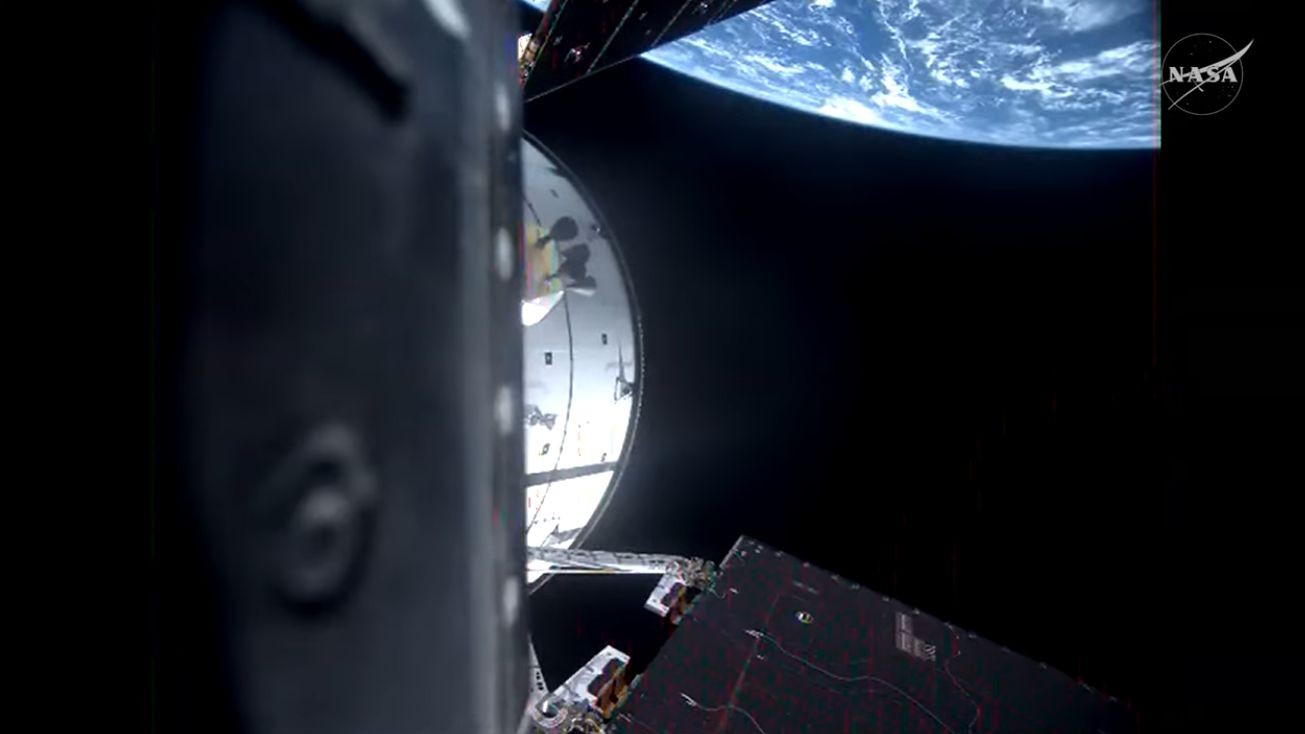
NASA’s Artemis 2 mission, the first crewed flight around the moon in over 50 years, encountered an unexpected hiccup within hours of launch: a malfunction in the Orion spacecraft’s advanced toilet system. The issue, reported by mission specialist Christina Koch, involved a jammed fan within the Universal Waste Management System (UWMS) responsible for urine collection.
Early Issues and Contingency Plans
Ground teams swiftly diagnosed the problem as a controller malfunction, but confirmed the toilet’s solid waste collection remained functional. Engineers immediately deployed backup urine containment systems, including collapsible contingency urinals (CCUs), as a temporary solution. Astronauts followed instructions from Mission Control to troubleshoot the primary system, with Koch later confirming its restoration. “Happy to report that toilet is go for use,” Capcom Amy Dill announced, advising astronauts to allow proper operating speed before and after use.
Historical Context: From Bags to Modern Systems
The incident highlights the significant advancements in space travel comfort since the Apollo missions of the 1960s and 70s, when astronauts relied solely on plastic bags for waste disposal. The Orion spacecraft features a more sophisticated “hygiene bay” with a compact, floor-integrated design, offering astronauts a degree of privacy. Despite the cramped interior – described as equivalent to two SUVs – the toilet is considered an essential system for long-duration missions.
Technical Details and Future Implications
The UWMS utilizes airflow to separate solid waste and individual funnels for urine collection, feeding into onboard storage tanks. Lockheed Martin, Orion’s manufacturer, emphasizes the toilet’s importance, labeling it a “luxury” or “necessity” for crew well-being. The Artemis 2 mission is a critical test flight for NASA’s broader Artemis program, which aims to establish a permanent lunar base by 2032. Ensuring reliable life support systems, including waste management, is paramount for sustaining long-term human presence in space.
This early glitch, though quickly resolved, underscores the complexities of maintaining functional life support in the harsh environment of space. The incident serves as a reminder that even advanced systems require robust contingency plans and rapid problem-solving capabilities.