New funding has been secured to combat an ecological threat at Muxton Marsh, a vital wetland area within the Granville Local Nature Reserve. The initiative aims to prevent invasive willow plants from destabilizing the delicate ecosystem of this protected site.
The Threat to the Wetland
The primary challenge facing Muxton Marsh is the rapid expansion of willow plants. While willows are a natural part of many landscapes, their uncontrolled growth in this specific environment poses a significant risk. These plants consume vast amounts of water, effectively drying out the marshy fen and threatening the survival of other specialized flora and fauna.
If left unchecked, this process could transform the wetland into a different type of woodland, permanently destroying the unique “wetland” characteristics that define the area.
Financial Support and Long-Term Strategy
To address this, Telford and Wrekin Council has implemented a multi-year management plan. The project is supported by a combination of local government funding and contributions from the utility sector:
- Previous Investment: £39,000 has already been allocated to initial protection works.
- New Funding: Severn Trent has provided an additional £10,000 to extend the conservation efforts.
- Project Duration: This new funding ensures that management work will continue steadily over the next five years.
Protecting a Site of Scientific Importance
Muxton Marsh is not merely a local park; it is a designated Site of Special Scientific Interest (SSSI), a status it has held since 1987. Because of its ecological sensitivity, the methods used to manage the willow growth must be highly specialized.
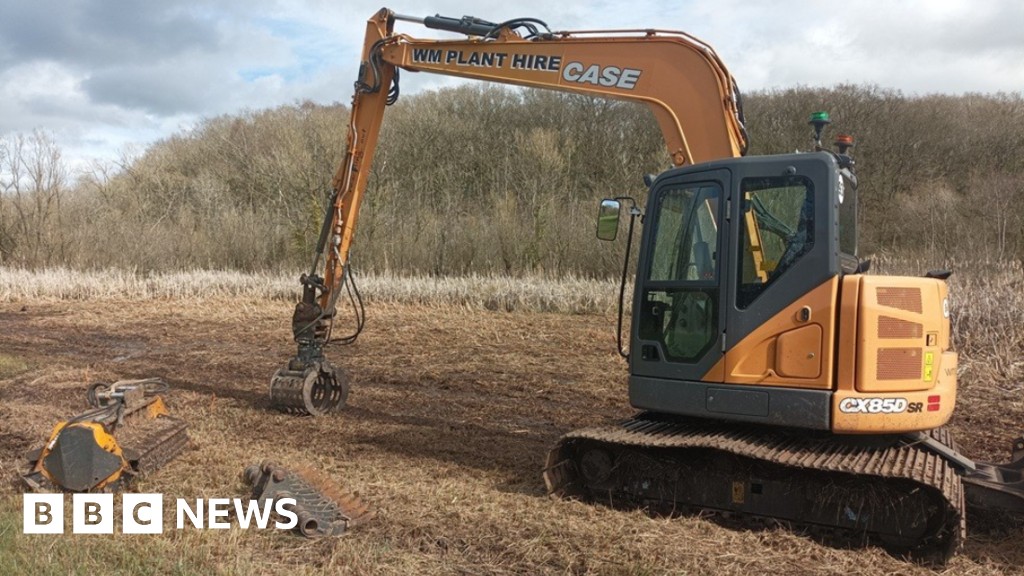
To minimize the impact of the maintenance itself, contractors will utilize wide-tracked machinery. This specific equipment is designed to distribute weight more evenly, preventing soil compaction and minimizing damage to the area’s wildflower grasslands, marshy fens, and wet woodlands.
“Muxton Marsh is the jewel in the crown of Granville Local Nature Reserve and home to valuable wildlife habitats,” noted Councillor Carolyn Healy.
Why This Matters
The ongoing struggle at Muxton Marsh highlights a common challenge in conservation: habitat succession. Without active human intervention, many wetlands naturally transition into forests. While this is a natural process, it results in the loss of specialized biodiversity that can only exist in wet, open environments. By funding these targeted interventions, the council and Severn Trent are working to maintain a specific