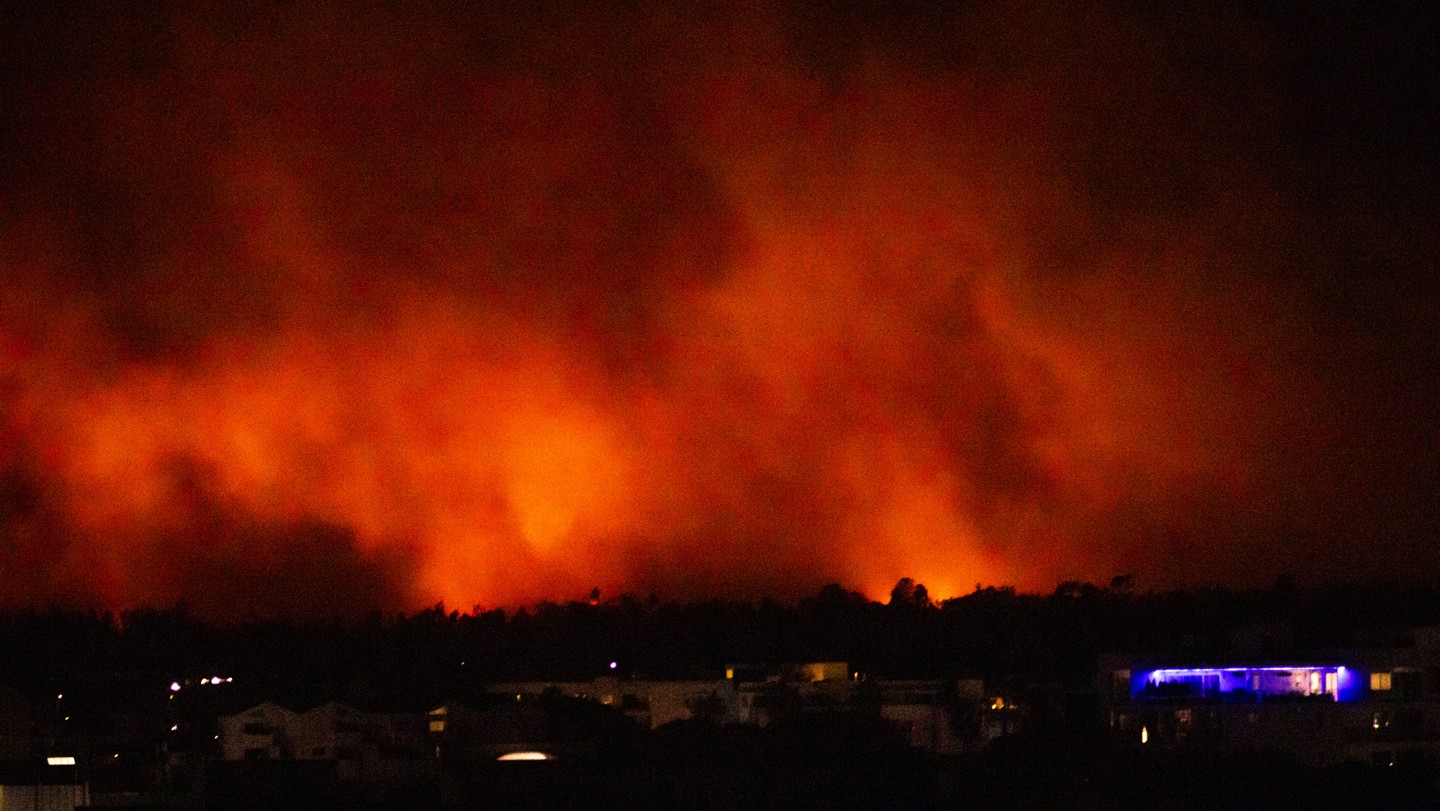
The planet has just experienced its three hottest years on record, with global average temperatures surpassing 1.5 degrees Celsius above pre-industrial levels for the first time. This milestone, confirmed by data from the European Centre for Medium-Range Weather Forecasts (ECMWF), marks an acceleration in climate change with far-reaching consequences. The 1.5°C threshold is not an absolute point of no return, but represents a crucial tipping point where the risks to ecosystems, human health, and extreme weather events sharply increase.
The Accelerating Trend
While 2025 saw a slight cooling compared to the previous two years (averaging 1.47°C above pre-industrial temperatures), the overall warming trend is undeniable. Earth is now projected to consistently exceed the 1.5°C limit by 2029. 2024 remains the hottest year ever recorded, averaging 1.6°C above pre-industrial levels, with 2023 in second place. Despite a shift toward La Niña conditions—which typically bring cooling—sea surface temperatures remained historically high, and both polar regions experienced record or near-record warmth.
Drivers and Extreme Weather
The primary driver of these rising temperatures is the continued accumulation of greenhouse gases in the atmosphere, largely due to the burning of fossil fuels. These conditions fueled widespread extreme weather events in 2025, including intense wildfires, deadly heat waves, and torrential rainfall. Over half of the globe experienced more days with dangerous heat stress (temperatures exceeding 40°C). The ECMWF’s strategic climate lead, Samantha Burgess, emphasized that the warming trend is clear and accelerating.
Future Projections
The past 11 years have already been the warmest on record, and the trend shows no signs of slowing down. There is an 80% chance that at least one of the next five years will surpass 2024 as the hottest year yet. The ECMWF expects this sequence to continue, potentially making 2026 the 12th consecutive record-breaking year.
The continuous rise in global temperatures underscores the urgency of addressing climate change through drastic reductions in greenhouse gas emissions. Failure to act decisively will lead to increasingly severe environmental and societal consequences.
The data clearly demonstrates that the planet is warming faster than ever before, and that the consequences of inaction are becoming increasingly dire.