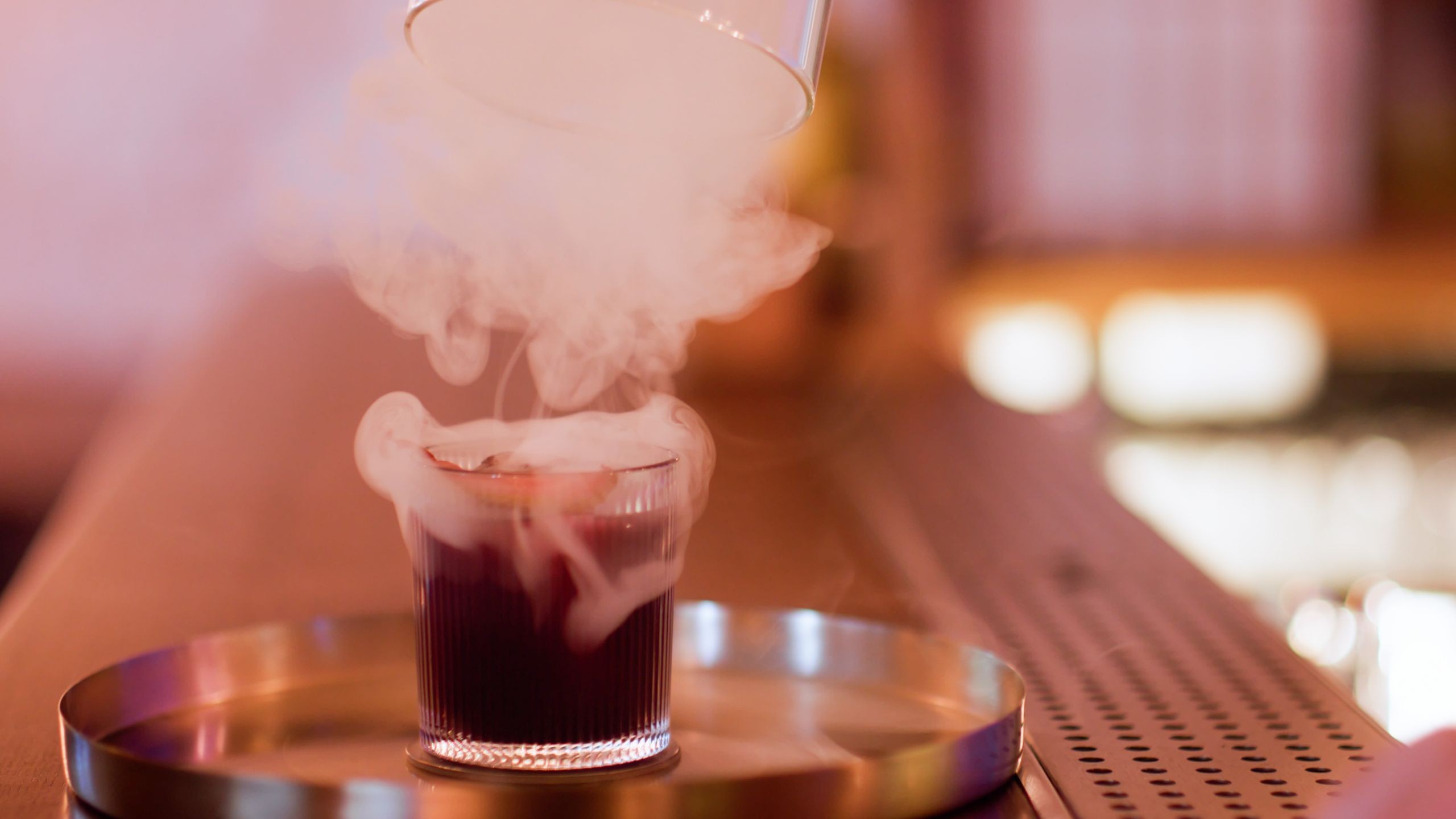
A 34-year-old man in Mexico suffered a life-threatening injury after consuming an alcoholic beverage infused with liquid nitrogen. The incident highlights the extreme dangers of improperly handled cryogenic substances in food and drink preparation.
Rapid Deterioration and Initial Symptoms
Within seconds of drinking the “smoky” cocktail, the patient experienced severe abdominal pain. He was immediately admitted to the emergency department, exhibiting symptoms including profuse sweating, lethargy, a dangerously elevated heart rate (124 bpm vs. a normal 60-100 bpm), rapid breathing, and critically low blood pressure. His body temperature plummeted to 95.7°F (35.4°C).
Doctors noted widespread abdominal tenderness, indicating the problem wasn’t localized like typical organ-specific pain (e.g., appendicitis). The patient confirmed the drink contained liquid nitrogen, leading doctors to suspect immediate gastric rupture.
The Physics of the Injury
Liquid nitrogen expands roughly 700 times in volume when it warms to gaseous form. At -351°F (-196°C), the extreme temperature difference between the liquid and the human body could cause rapid expansion, essentially bursting the stomach like an overinflated balloon.
Diagnostic examination via abdominal percussion revealed an entirely tympanic (air-filled) abdomen, even in areas where liquid or solid organs should produce dull sounds. This indicated a complete perforation. CT scans confirmed the presence of pneumoperitoneum – trapped nitrogen gas above the stomach and below the lungs.
Emergency Surgical Intervention
Doctors performed a minimally invasive procedure: a keyhole incision to release the nitrogen gas, followed by laparoscopy to identify and repair the rupture. A 1.2-inch (3 cm) perforation was sutured using fatty tissue from elsewhere in the patient’s abdomen. Remarkably, the patient recovered quickly and was discharged after three days on a liquid diet.
The Leidenfrost Effect and Potential Burns
While the patient escaped severe cold burns, liquid nitrogen consumption carries that risk. The phenomenon known as the Leidenfrost effect likely protected his mouth, esophagus, and stomach: an immediate vaporization layer insulated underlying tissue from the extreme cold, preventing immediate freezing and damage.
Safe Use of Liquid Nitrogen in Food Preparation
Liquid nitrogen is a legitimate tool in food science. Flash-freezing preserves protein structure in meats and locks in flavor in seafood more effectively than conventional methods. However, it must fully evaporate before consumption.
The danger arises when liquid nitrogen is used for theatrical presentation (e.g., smoky cocktails) and consumed before complete vaporization. The lesson is clear: wait until the cloud dissipates before drinking or eating.
The incident underscores the critical need for rigorous safety protocols in culinary applications of extreme cryogenic substances. Misuse can lead to catastrophic internal injury, yet the same substance, handled correctly, enhances food quality and preservation.