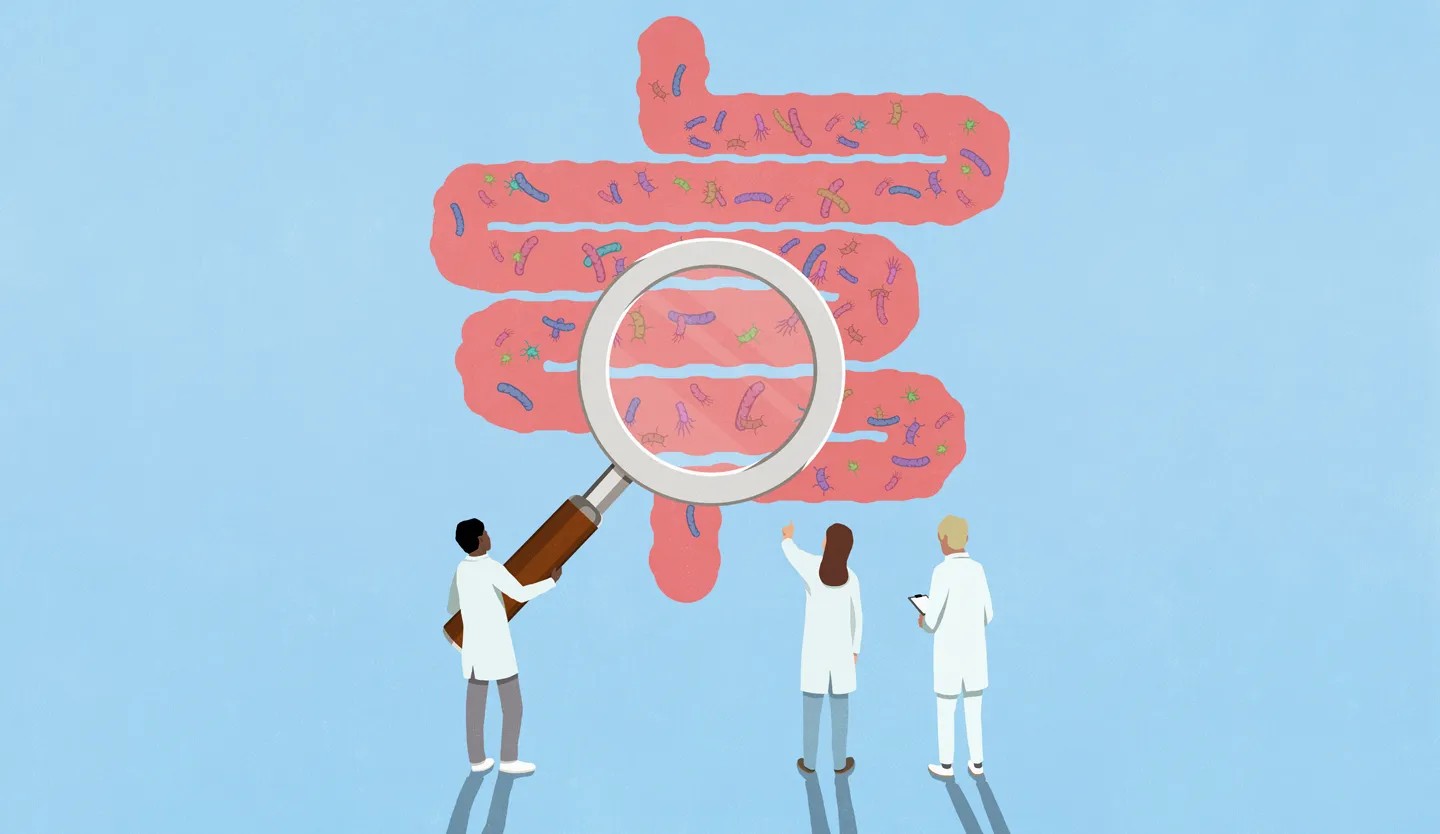
Researchers are developing advanced computer models that can predict whether a probiotic strain will successfully colonize an individual’s gut—potentially ending the era of one-size-fits-all gut health supplements. The new approach, detailed in PLOS Biology, leverages existing knowledge about bacterial metabolism to simulate how different strains interact with a person’s unique gut microbiome.
The Problem with Probiotics
The current probiotic market relies on a broad-spectrum approach. Pills, yogurts, and even sodas are marketed with promises of improving gut health, but these products often fail to deliver consistent results. This is because everyone’s gut microbiome is different; what works for one person may not work for another. The simulations solve this issue by predicting whether a bacterial strain will take hold in a specific individual’s gut and how it will behave once established.
How the Simulations Work
These models, known as microbial community–scale metabolic models, simulate bacterial growth based on existing data about how gut bacteria consume and process nutrients. Researchers insert a simulated bacterial strain into a digital representation of an individual’s gut microbiome to determine if it will thrive and what effects it will have. “We thought that this type of modeling platform could potentially allow us to identify personalized responses and maybe even design personalized interventions,” explains Sean Gibbons, a microbiome researcher at the Institute for Systems Biology.
Validating the Models
The simulations were tested using data from two clinical trials: one involving synbiotics (probiotics plus prebiotic fiber) for type 2 diabetes patients and another using a live biotherapeutic for recurrent Clostridioides difficile infections. In both cases, the model accurately predicted which bacteria would colonize the gut with 75–80% accuracy, including predicting increases in beneficial short-chain fatty acid production.
The study also validated the simulations against real-world dietary changes. Even when individuals shifted to high-fiber diets, the model accurately predicted their gut’s response. This suggests that the simulations can move beyond short-term effects and predict long-term microbiome changes.
What This Means for the Future
The implications are significant: doctors could soon “test drive” probiotic interventions in digital models of a patient’s gut before prescribing them. Researchers envision a future where personalized microbiome therapies are designed using these models, rather than relying on generic off-the-shelf products.
“If we can take one person’s model and simulate thousands of interventions in the matter of minutes or hours, then suddenly you have a kind of ‘digital twin’ that can start to approximate people’s individualized responses,” Gibbons says. His team is now planning a clinical trial to compare the effectiveness of personalized interventions versus standard probiotic treatments.
The research reinforces the idea that the best bacteria for gut health depend on the individual and their environment. “A lot of these bacteria are beneficial only in certain contexts,” says Nick Quinn-Bohmann, a microbiome researcher. “It doesn’t make sense to have a suite of one-size-fits-all probiotics for everyone.”
These simulations represent a significant step toward truly personalized gut health solutions, moving beyond the current trial-and-error approach.