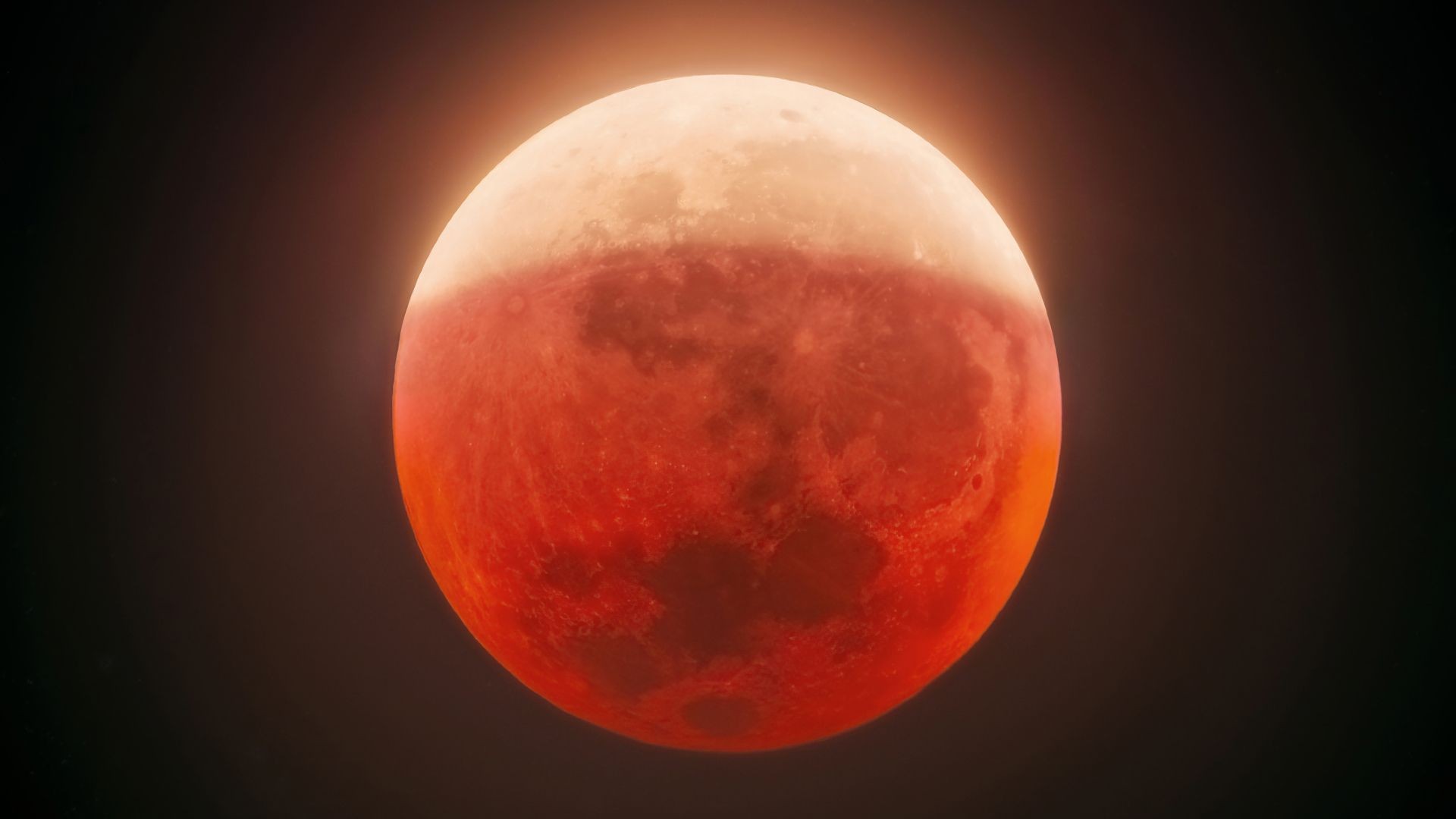
A total lunar eclipse—often called a “blood moon” due to the reddish hue the moon takes on during totality—will occur on March 2-3, offering a spectacular celestial event. While not everyone will have a clear view from their location, anyone on Earth can watch the eclipse live online. This is particularly crucial for those in Europe, Africa, and much of Asia where the eclipse will be completely invisible.
Why This Matters: A Rare Alignment
Lunar eclipses happen when Earth passes between the sun and moon, casting a shadow on the lunar surface. This particular event is notable because it will be the last total lunar eclipse visible from North America until June 25-26, 2029. The next one won’t appear until New Year’s Eve 2028. The eclipse lasts roughly 5.5 hours (from 3:44 a.m. to 9:23 a.m. EST on March 3), with about 58 minutes of complete totality.
How to Watch: Livestream Options
Several astronomy organizations will host livestreams, providing unique feeds from various locations around the world. Here are some key options:
- Timeanddate.com: This website offers reliable eclipse coverage, with presenters Graham Jones and Anne Buckle leading the broadcast. They’ll be joined by the Starry Knights from Hawaii, along with feeds from Perth Observatory in Australia and a mobile observatory near Los Angeles.
- Griffith Observatory (Los Angeles): The livestream from Griffith Observatory will run from 12:47 a.m. to 6:25 a.m. PST on March 3, offering excellent views of the entire event if the weather cooperates. Note: this is an online-only event.
- The Virtual Telescope Project: Astrophysicist Gianluca Masi will curate a broadcast featuring live footage from astroimagers around the globe, starting at 3:30 a.m. EST. Coverage includes feeds from North America (Florida, Michigan, New Mexico, Montreal) and Australia (Queensland, New South Wales, Victoria, Western Australia).
Regional Visibility & Timing
The eclipse will be most visible from the Midwest to the West Coast of North America, with the totally eclipsed moon appearing above the western horizon. However, viewers on the East Coast may miss totality as the moon sets just as the eclipse reaches its peak. The best way to ensure a view, regardless of location, is to tune into one of the livestreams.
“No matter where on Earth you are, you can still catch the ‘blood moon’ online to savor the 58 minutes of lunar totality.”
The availability of these livestreams makes this eclipse accessible to a global audience, turning a potentially missed event into a shared experience.