


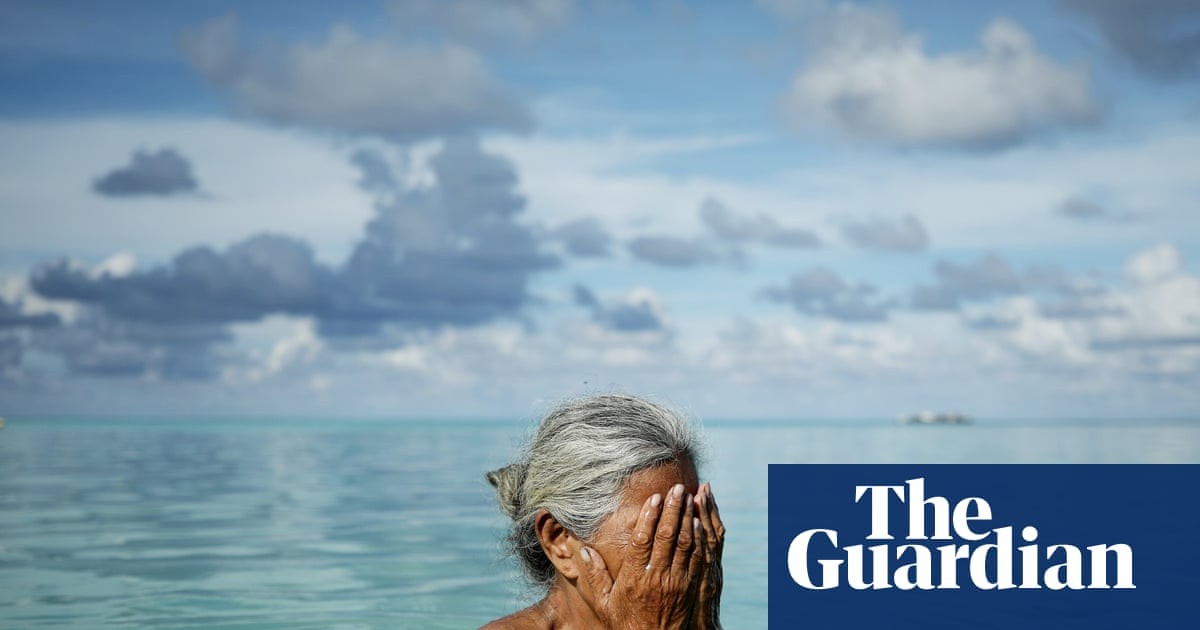
Christiana Figueres, the veteran diplomat behind the 2016 Paris Agreement, has issued a stark warning: the world is being “held hostage” by its dependence on fossil fuels. Speaking on her appointment as co-chair of a new Lancet Commission, Figueres reframed the climate crisis not merely as an environmental metric, but as a profound humanitarian emergency—calling the resulting health impacts “the mother of all injustices.”
A New Lens: From Emissions to Human Health
The newly formed Lancet Commission is tasked with investigating how rising sea levels are reshaping global health, inequality, and human well-being. Unlike traditional climate discussions that often focus on abstract scientific data or carbon parts per million, this commission aims to ground the crisis in the human experience.
The focus is shifting toward tangible, immediate threats:
– Water and Food Security: Rising oceans are salinating coastal lands, contaminating drinking water, and destroying crops.
– Sanitation and Disease: Changes in water quality and flooding directly impact public health infrastructure.
– Cultural and Psychological Trauma: Displacement is not just a logistical move; it is a loss of identity, ancestral connection, and “intergenerational grief.”
“Framing these issues in terms of health, dignity, livelihoods, and identity provides a much better context… we understand that this really is about the human experience on this planet,” Figueres noted.
The Inequality of the Rising Tide
The crisis is defined by a profound imbalance of cause and effect. While the world’s largest economies drive global emissions, it is the low-lying nations and coastal regions that face the most immediate existential threats.
Recent research published in Nature suggests that previous models may have significantly underestimated sea-level rise. In parts of the Global South, including Southeast Asia and the Indo-Pacific, sea levels could be 100cm to 150cm higher than previously predicted. This puts nations like Tuvalu, Kiribati, and Fiji at risk of becoming uninhabitable within decades, alongside major global cities such as London, Amsterdam, and New Orleans.
The Battle for Accountability: Law vs. Compliance
A central mission of the commission is to explore how legal frameworks can hold polluters accountable. This comes at a critical time following a landmark 2025 advisory opinion from the International Court of Justice (ICJ), which stated that nations have a legal obligation to prevent climate harm.
However, Figueres warns that legal agreements alone are not a silver bullet. She pointed to Canada’s historical exit from the Kyoto Protocol as a cautionary tale of how nations can simply withdraw from binding commitments to avoid penalties.
To drive real change, the commission plans to pursue a three-pronged strategy:
1. Legal Pressure: Utilizing ICJ findings and upcoming UN resolutions (led by Vanuatu) to create a framework for restitution.
2. Scientific Evidence: Using rigorous data to “lay bare” the consequences of inaction.
3. Enlightened Self-Interest: Convincing corporations and governments that reducing emissions is necessary for long-term economic stability and business continuity.
Conclusion
The Lancet Commission seeks to bridge the gap between climate science and human survival, moving the conversation from abstract policy to the urgent protection of life and dignity. By focusing on health and justice, the commission aims to transform the climate debate from a technical struggle into a global moral imperative.


