


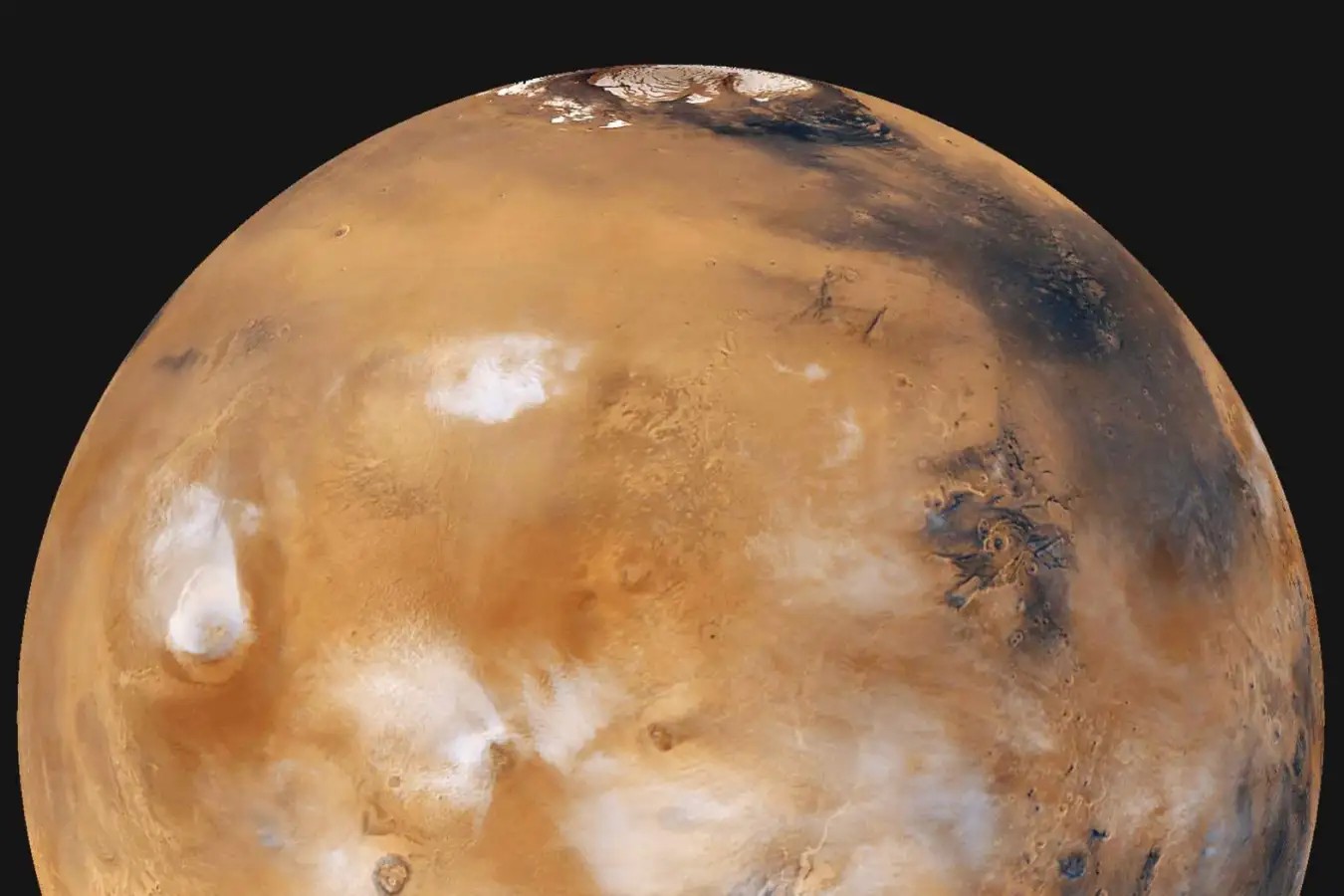
For millennia, Mars existed solely in the human imagination. Before our arrival, the planet was a canvas of geological silence—craters, canyons, and volcanoes shaped by forces indifferent to observation. We are the first consciousness Mars has ever known, arriving late in its cosmic history.
The Ancient Allure of the Red Planet
Ancient cultures imbued Mars with potent symbolism. Names like Nirgal, Mangala, and Harmakhis carry an archaic weight, suggesting a reverence predating recorded language. For thousands of years, it was a sacred power, its reddish hue associated with blood, war, and the raw intensity of life itself. The planet’s erratic movements in the night sky—its apparent stalls and reversals—only deepened its mystique.
The Illusion of Life
Early telescopes offered tantalizing, yet ambiguous glimpses. Percival Lowell’s observations fueled a popular narrative of a dying world desperately clinging to existence through a network of canals. It was a compelling story, but one that dissolved with the arrival of Mariner and Viking probes.
The Harsh Truth and the Persistence of Myth
The probes revealed a barren landscape, devoid of even microbial life. Yet, the human impulse to find meaning persisted. Stories of lost civilizations, microfossils destroyed by our probes, and elusive “little red people” continue to circulate. We attempt to breathe life into Mars because we are still the storytellers who survived the Ice Age, projecting our hopes and fears onto a silent world.
From Symbol to Settlement
Mars was once a symbol of power and mystery. Now, it is becoming a place—a destination for human ambition. The transition from myth to reality has not erased the planet’s original allure; instead, it has transformed it into a new frontier.
Mars has never ceased to be what it was to us from our very beginning – a great sign, a great symbol, a great power. And so we came here.


