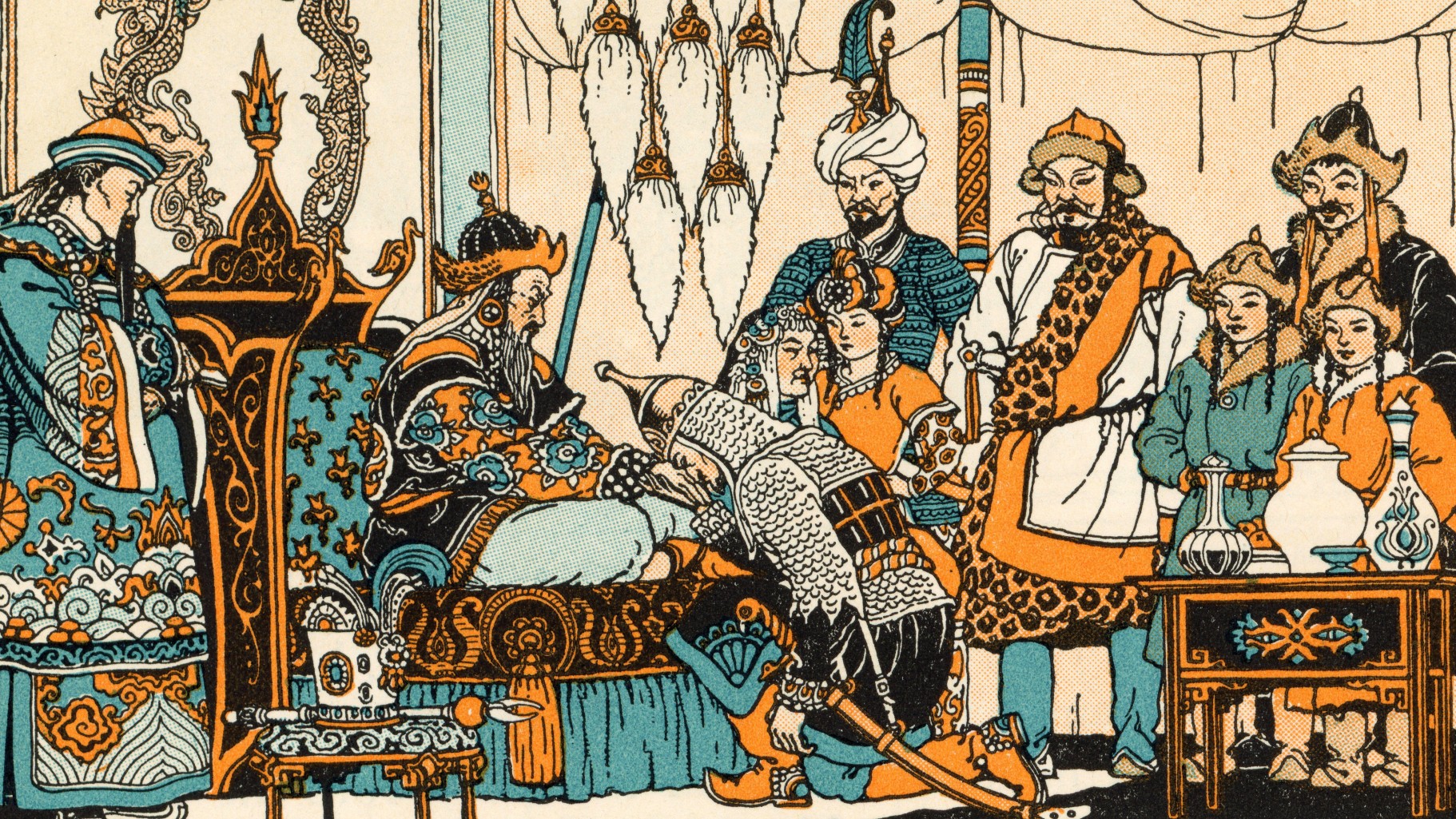
Recent genomic research suggests that the number of men alive today descended from Genghis Khan is significantly lower than earlier estimates. While a 2003 study posited that roughly 0.5% of the world’s male population – about 1 in 200 – carried a Y chromosome lineage linked to the Mongol emperor, new analysis of remains from the Golden Horde indicates this figure is likely overstated.
The Golden Horde and Genetic Lineages
Genghis Khan, born Temüjin in the late 12th century, forged one of history’s largest empires, stretching from Asia to Europe. His military success and prolific offspring ensured a widespread genetic legacy. The Golden Horde, ruled by his descendants for generations, was a key region for tracing this lineage. Researchers investigated mausoleums in Kazakhstan, where folklore claims Genghis Khan’s son, Jochi, is buried, to extract ancient DNA.
However, the tombs did not contain Jochi. Instead, they uncovered a rare Y chromosome lineage associated with Genghis Khan’s family tree. This discovery is crucial because no confirmed genetic sample from Genghis Khan himself exists, making verification difficult. Without a direct comparison, scientists rely on identifying shared paternal lineages within his known descendants.
Refining the Descendant Count
The previous estimate of 1 in 200 men being related to Genghis Khan was based on the prevalence of the C3 Y chromosome lineage across the former Mongol Empire. The new study reveals that the C3 cluster is far more diverse than initially understood.
The specific branch found in the Golden Horde remains is rarer than the one identified in 2003, implying that fewer modern men carry this particular lineage than previously believed. This does not invalidate the broader impact of Genghis Khan’s genetic influence, but it does refine the numbers.
Ancient DNA and Future Research
Researchers also analyzed the genetic origins of those buried in the mausoleums, finding contributions from Ancient Northeast Asian (ANA) populations and the Kipchaks—nomadic groups integrated into the Golden Horde. This highlights the complex mixing of populations within the empire, demonstrating that Genghis Khan’s lineage wasn’t solely Mongol.
The search for definitive answers remains ongoing. The ideal scenario would involve discovering a verified tomb containing Genghis Khan’s remains, allowing for a direct genetic comparison. However, even without this, continued analysis of ancient DNA from historically linked descendants will refine our understanding of his genetic legacy.
The true extent of Genghis Khan’s genetic influence will likely remain partially obscured until more conclusive evidence emerges, but the latest findings offer a more accurate estimate than previously available.
The study underscores the power of ancient DNA to rewrite historical narratives, revealing that even empires built on conquest leave behind complex genetic footprints that are still being deciphered today.