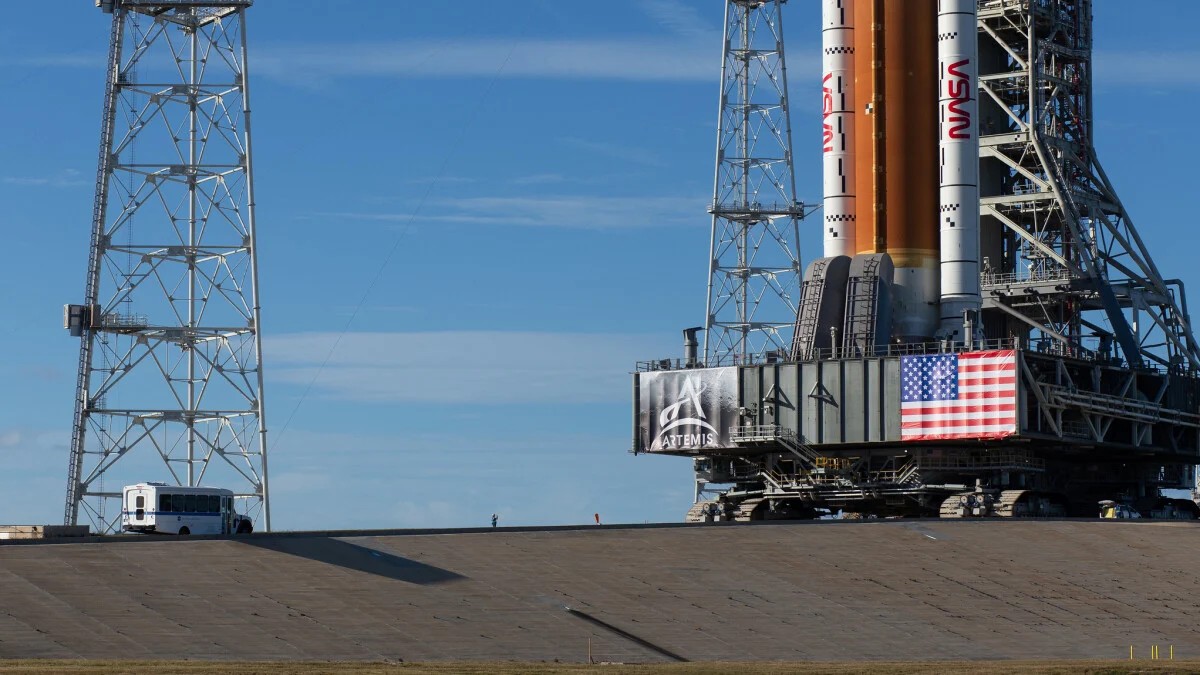
NASA’s Artemis 2 mission, slated to carry astronauts around the moon, is facing a likely delay after engineers discovered a problem with the Space Launch System (SLS) rocket’s helium system. The issue surfaced during routine pressure checks, preventing helium from flowing correctly through the rocket. While helium isn’t fuel, it’s crucial for maintaining proper pressure in fuel tanks and protecting engines.
Recurring Problem and Potential Fixes
This isn’t the first time NASA has encountered a similar problem. A comparable helium flow issue emerged before the uncrewed Artemis 1 launch in 2022, though that mission proceeded after verification. However, the stakes are significantly higher with Artemis 2, as it will be the first crewed mission beyond Earth orbit since 1972.
Engineers are investigating several potential causes, including connection points, valves, and filters within the helium line. Any fix requiring work inside the Vehicle Assembly Building (VAB) – a massive hangar four miles from the launchpad – will inevitably push back the launch date. NASA is preparing to roll the rocket back for repairs, effectively ruling out a March launch.
Crew Status and Future Launch Windows
The four Artemis 2 astronauts – Commander Reid Wiseman, Victor Glover, Christina Hammock Koch, and Jeremy Hansen – were briefly quarantined at Johnson Space Center in Houston but released after the issue emerged. While NASA hasn’t released updated launch windows, potential dates include April 1, April 3-6, and April 30.
Why This Matters: Beyond Apollo
The Artemis program aims to establish a permanent human presence on the moon as a stepping stone for future Mars missions. NASA administrator Jared Isaacman has stated the program will “far surpass” the Apollo missions, with continuous lunar missions and a planned moon base.
The agency is prioritizing safety, recognizing that human lives are at risk. Fixing the helium issue now, even if it means delaying the launch, is the responsible course of action. Despite the setback, NASA remains committed to achieving its ambitious lunar goals.
“Delays are frustrating, but space missions often hit technical setbacks, and fixing issues before a crewed flight is the right move.”
This latest issue underscores the inherent challenges of space exploration and the importance of rigorous testing before putting astronauts in harm’s way.