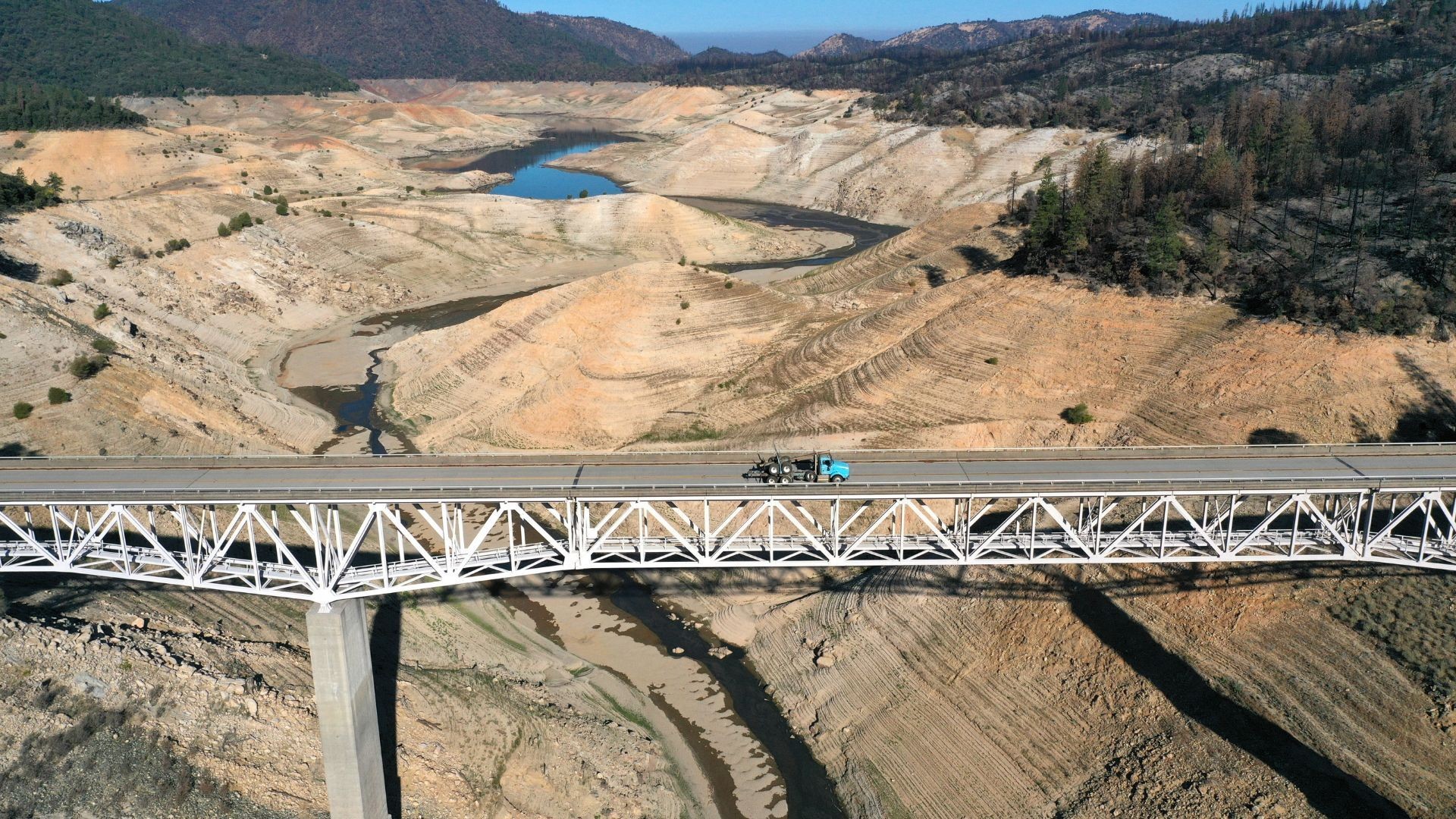
California has consistently used less water than predicted over the past two decades, a new report reveals, challenging long-held assumptions about water demand in the state. This discrepancy isn’t just an accounting error; it has real implications for how California manages its precious water resources, including consumer costs and drought resilience.
The Overestimation Problem
From 2000 to 2020, urban water suppliers in California overestimated future demand by an average of 25% for five-year projections, and a staggering 74% for twenty-year forecasts. The error doesn’t come from miscalculating population growth, but from consistently projecting that individuals would use more water than they actually did. In reality, per capita water demand decreased by 1.9% annually during that period, meaning population increases didn’t automatically translate to higher water consumption.
This trend is significant because water infrastructure planning—including costs for new supplies and treatment facilities—is often based on these projections. Overestimating demand leads to unnecessary expenses passed onto consumers.
Why Are Projections Wrong?
The state’s water savings are largely due to deliberate policy changes and a gradual shift in behavior. Regulations like the California Green Building Standards Code and the Model Water Efficient Landscape Ordinance mandate water-efficient appliances in new construction and limit water-intensive landscaping. Rebates for drought-tolerant landscaping and public awareness campaigns have also played a role.
As communities become denser and lawns shrink, natural water demand drops. The key takeaway is that California has demonstrably decoupled economic growth from water consumption, proving that it is possible to develop and prosper while using less water.
The Plateau Effect and Future Challenges
While per capita water use fell steadily from 2000 to 2015, the decline slowed between 2015 and 2020. This raises concerns that current water-saving efforts may be plateauing, meaning further reductions will require new strategies.
California still faces long-term water supply challenges, especially as climate change intensifies droughts. Despite these savings, water management remains critical for ensuring reservoirs and groundwater reserves can withstand extended dry periods. The Metropolitan Water District of Southern California estimates that its water efficiency initiatives have prevented three major water supply crises in the past three decades alone.
Beyond the Household: New Opportunities
The next phase of water conservation must extend beyond individual habits (“brush your teeth without running the tap”) to address broader systemic changes. This includes stricter building codes, landscaping regulations, and reducing leakage in water distribution systems. A recent Pacific Institute study shows that upgrading U.S. infrastructure could save between 14 and 34 million acre-feet of water annually, enough to cut national water use by up to 25%.
California’s success demonstrates that a sustainable future is possible, but sustained effort and adaptability are essential. The state must continue to refine its projections, invest in efficiency, and prepare for the inevitable challenges ahead.