Researchers have successfully grown chickpeas in soil mimicking lunar conditions, a critical step towards enabling long-term human habitation on the Moon. The findings, published March 5 in Scientific Reports, demonstrate that with the addition of compost and symbiotic fungi, chickpeas can not only survive but also produce seeds in lunar regolith – the powdery, nutrient-poor “dirt” found on the Moon.
The Challenge of Lunar Soil
Lunar regolith presents significant obstacles to plant growth. Unlike Earth soil, it’s extremely fine, metallic, abrasive, and deficient in essential nutrients like nitrogen. As space biologist Jess Atkin of Texas A&M University puts it, “It is a hazard unamended… It is the worst. It is awful.” Previous attempts to grow plants directly in actual lunar samples yielded slow growth and signs of toxicity as plants absorbed harmful metals.
A Novel Approach: Fungi and Vermicompost
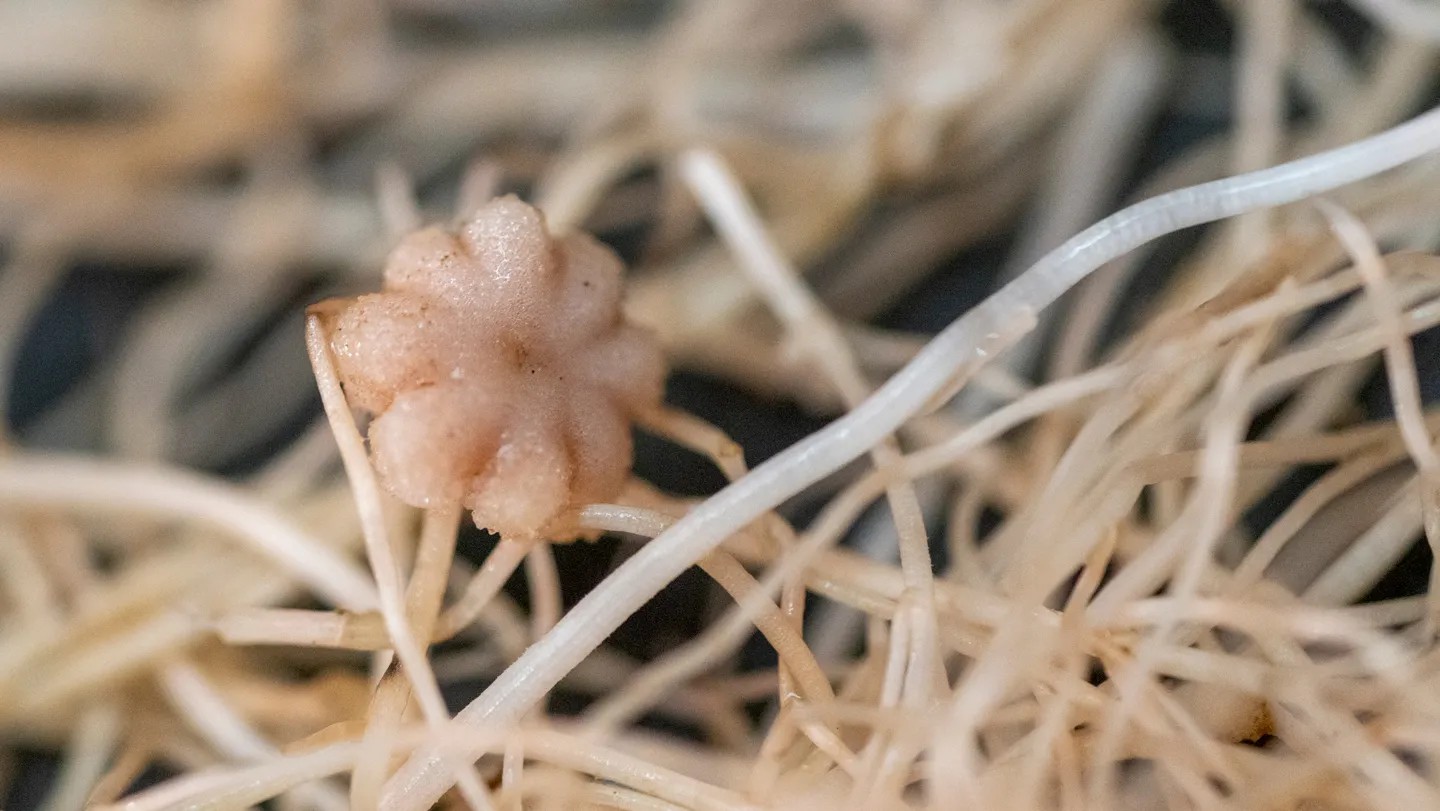
To overcome these hurdles, researchers led by Sara Oliveira Santos of the University of Texas at Austin experimented with amending lunar regolith simulant (a lab-created Moon-like soil) with powdered arbuscular mycorrhizal fungi and vermicompost. The fungi act as a natural extension of plant roots, enhancing nutrient absorption and sequestering toxic heavy metals. Vermicompost, derived from worm castings, provides essential nutrients and improves soil structure.
Promising Results
The study showed that chickpeas flourished in soil mixtures containing up to 75% lunar simulant when treated with fungi. While plants still exhibited stress compared to Earth-grown counterparts, those with fungal assistance survived significantly longer than untreated plants. This breakthrough suggests that, with the right supplements, lunar regolith can be transformed into a viable growth medium.
“The plants are amazing, it’s great we can get seeds,” says Atkin. “But they’re really the host for the transformation into the soil.”
Future Implications
Ongoing research focuses on cultivating subsequent generations of chickpeas from the lunar-grown seeds and ensuring their safety for consumption. If successful, this could enable astronauts to grow a variety of crops on the Moon, reducing reliance on Earth-supplied food and creating a sustainable food source for long-term lunar settlements. Atkin jokingly stated she’d be the first to make “moon hummus” if the seeds prove safe, highlighting the potential for real-world application.
Ultimately, this research is not just about growing chickpeas; it’s about unlocking the potential for self-sufficiency in space. By turning harsh lunar soil into fertile ground, humanity takes a substantial step toward establishing a permanent presence beyond Earth.