The Moon is currently in its Waning Crescent phase, meaning it is nearly invisible in the night sky. As of December 17, NASA reports only 2% of the Moon’s surface is illuminated, making surface details unobservable without specialized equipment. This marks the tail end of the lunar cycle before the New Moon begins the process anew.
Understanding Lunar Cycles
The Moon orbits Earth in roughly 29.5 days, a period called the lunar cycle. During this time, the portion of the Moon visible to us shifts as sunlight reflects off its surface. Despite only ever seeing one side of the Moon, its illuminated area changes continuously, resulting in eight distinct phases.
This cycle isn’t just about aesthetics; it impacts many natural systems on Earth, including tides, animal behavior, and even some biological rhythms.
The Eight Moon Phases Explained
NASA defines the following lunar phases:
- New Moon: The Moon is positioned between Earth and the Sun, rendering its visible side dark.
- Waxing Crescent: A thin sliver of light appears on the right side (in the Northern Hemisphere).
- First Quarter: Half of the Moon is illuminated on the right side, resembling a half-moon.
- Waxing Gibbous: More than half the Moon is lit, approaching fullness.
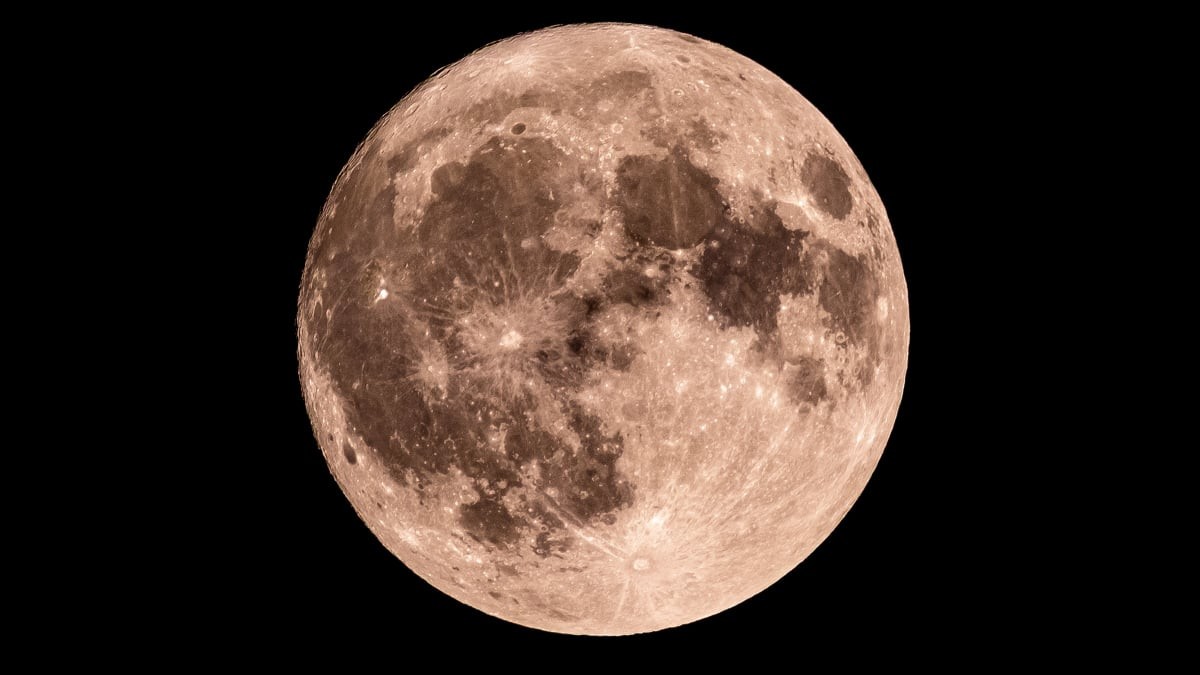
- Full Moon: The entire visible surface of the Moon is brightly illuminated.
- Waning Gibbous: Light begins to diminish on the right side.
- Third Quarter (Last Quarter): The left half of the Moon is lit.
- Waning Crescent: A faint sliver remains on the left before fading into darkness.
Looking Ahead
The next Full Moon will occur on January 3, 2026, following the most recent one on December 4, 2025. The Moon’s phases are a constant cycle, driven by its orbital motion and relationship to both Earth and the Sun.
Understanding these phases provides a framework for tracking time and appreciating the dynamic interplay of celestial bodies in our solar system.