On March 3rd, 2026, a total lunar eclipse will grace the skies, offering a spectacular celestial event visible across much of North America and beyond. This eclipse isn’t just a scientific phenomenon; it’s a readily observable demonstration of how the sun, Earth, and moon interact – and it requires no special equipment to witness.
How Lunar Eclipses Work
A total lunar eclipse happens when Earth passes directly between the sun and the moon during a full moon. This alignment casts Earth’s shadow onto the moon, causing it to dim and darken. The shadow has two parts: the outer, fainter penumbra and the inner, darker umbra. The umbra is what makes the eclipse visible, gradually covering the moon until the entire surface is obscured.
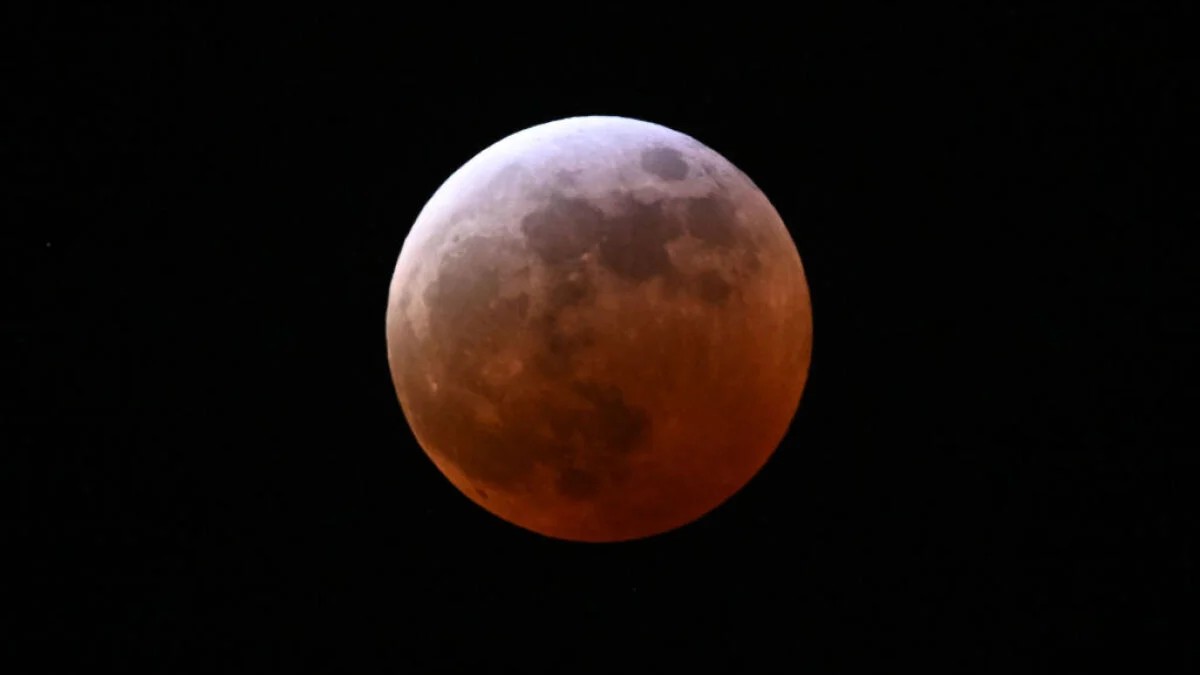
But instead of disappearing, the moon takes on a distinctive reddish-orange hue – earning it the nickname “blood moon.” This color isn’t magic; it’s a result of sunlight bending through Earth’s atmosphere. Just as sunsets appear red because blue light scatters away, the remaining red wavelengths reach the moon, creating the eerie glow.
When and Where to Watch
The eclipse will be most visible in North and Central America during the early morning hours before sunrise. Observers in eastern Asia and Australia will see it in the evening, while those across the Pacific Ocean will experience it overnight. Though invisible from Africa and Europe, over 40% of the world’s population could witness at least part of the totality phase.
Key timings (Eastern Time):
- Penumbral Eclipse Begins: 3:44 a.m. ET
- Partial Eclipse Begins: 4:50 a.m. ET
- Total Eclipse Begins: 6:04 a.m. ET (lasting until 7:03 a.m. ET)
- Eclipse Ends: 9:23 a.m. ET
For precise local timings, check resources like TimeandDate.com or the U.S. Naval Observatory.
How to Observe
The beauty of a lunar eclipse is its accessibility. No special equipment is needed. A clear view of the moon is all you require. Binoculars or a small telescope can enhance the view, making the color changes more apparent, but they’re entirely optional. A darker viewing location, away from city lights, will also improve the experience.
Even a smartphone camera can capture stunning photos without specialized filters. The eclipse is a safe and easy celestial event for anyone to enjoy.
Beyond the Eclipse
As the moon darkens, the sky may reveal a brighter show. With the full moon’s glare reduced, stars become more visible. During this eclipse, the moon will appear near the constellation Leo, adding another layer of interest for skywatchers.
Lunar eclipses remind us of the predictable, yet stunning, movements of our solar system. They are free, safe, and accessible to everyone, making them a unique opportunity to connect with the cosmos.