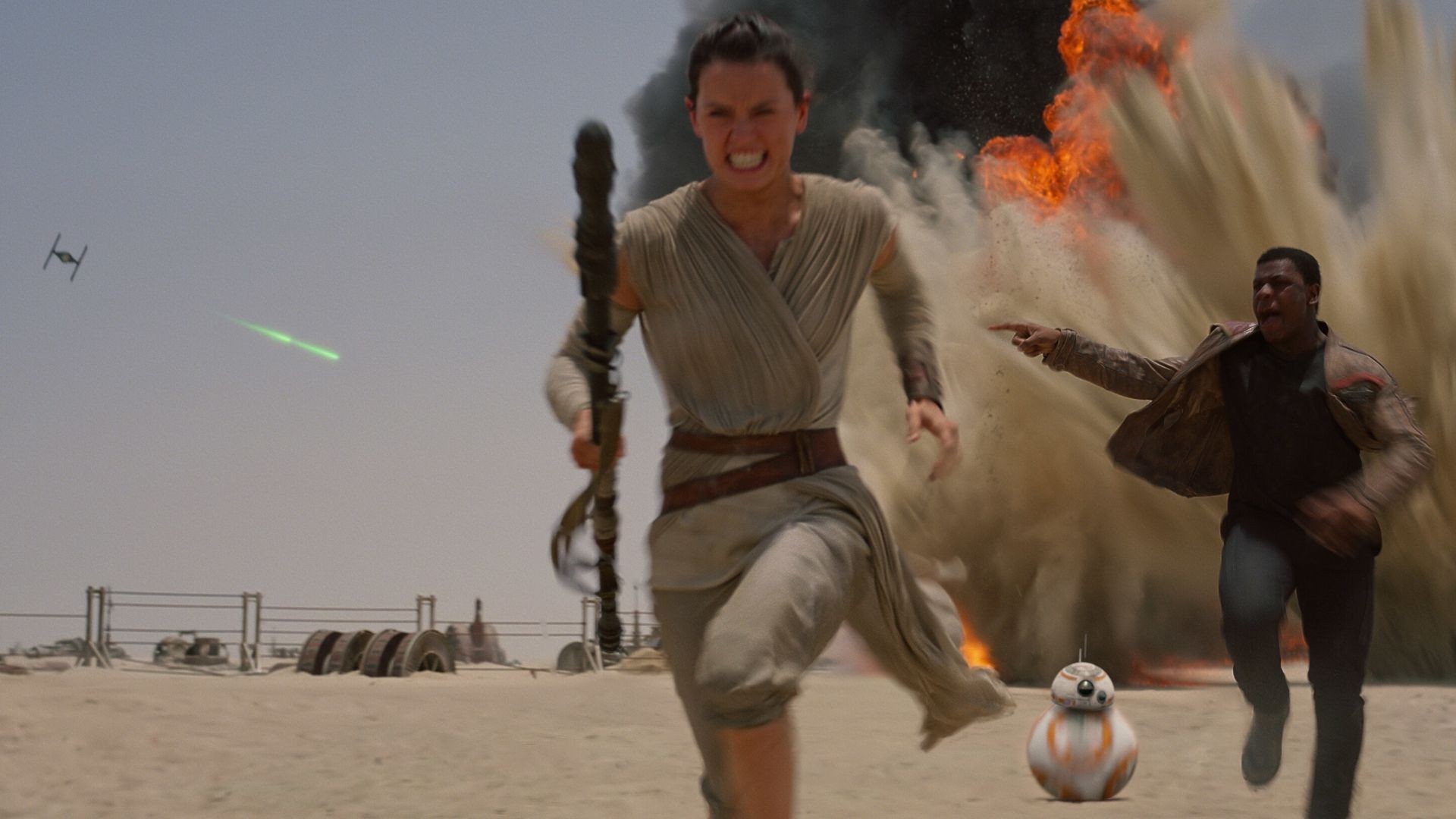
Ten years after its release, Star Wars: The Force Awakens (2015) stands as a pivotal moment: the film that could have been, but wasn’t. While fan reception to the sequel trilogy fractured, the initial excitement surrounding the seventh installment was genuine. The film re-ignited a cultural phenomenon, packing theaters with eager audiences in 2015. The question isn’t whether it delivered on hype, but why its promise was ultimately squandered.
The Blueprint for a New Era
Disney’s acquisition of Star Wars in 2012 was controversial. Yet, the studio tapped J.J. Abrams – known for revitalizing franchises like Star Trek – to helm the reboot. Abrams understood the challenge: satisfying a notoriously passionate fanbase while charting a course for the future.
The Force Awakens struck a calculated balance. It echoed the structure of A New Hope, leaning heavily into nostalgia while introducing new characters. As Abrams himself put it, the goal was a “self-contained beginning, middle, and end” that still hinted at a larger saga. The film wasn’t breaking new ground, but it was a safe, effective re-entry point for the franchise.
The film introduces Rey (Daisy Ridley), Poe Dameron (Oscar Isaac), and Finn (John Boyega) alongside returning icons like Han Solo (Harrison Ford) and Leia Organa (Carrie Fisher). Luke Skywalker (Mark Hamill) remains a tantalizing absence, building anticipation for his inevitable return.
The Rise and Fall of the First Order
The villains were equally crucial. Snoke (Andy Serkis) served as a stand-in for Palpatine, while Kylo Ren (Adam Driver) embodied the tortured legacy of Darth Vader. His shocking murder of Han Solo signaled the stakes were real, and the galaxy was unforgiving.
The film’s success was undeniable: over $2 billion at the box office and mostly positive reviews. The Force Awakens established a foundation for a new trilogy, but what followed exposed a fatal flaw: a lack of unified vision.
The Sequels’ Creative Collapse
The problem wasn’t the first film; it was what came next. Lucasfilm cycled through three directors – Abrams, Rian Johnson, and eventually, Abrams again – each with divergent approaches. This fractured the narrative, leading to jarring tonal shifts and abandoned plot threads.
Rian Johnson’s The Last Jedi dismantled the groundwork laid by The Force Awakens. The film subverted expectations, cutting off established storylines, and alienating a segment of the fanbase. The final installment, The Rise of Skywalker, attempted to course-correct, but instead felt rushed and incoherent. Key characters were sidelined, plot points were retconned, and the overall story felt disjointed.
The original plan for a cohesive trilogy dissolved into a series of contradictory decisions. Snoke died without explanation, Rey’s lineage was drastically altered, and Kylo Ren’s redemption arc felt unearned. George Lucas himself voiced criticism of Disney’s handling of the franchise, highlighting the lack of clear direction.
A Missed Opportunity
The Force Awakens wasn’t a perfect film, but it represented a clear path forward. Its success proved audiences wanted Star Wars to return, and its formula offered a stable foundation for future installments. The tragedy is that this potential was abandoned in favor of disjointed experimentation. The film stands as a reminder that even the most promising reboots can fail when creative leadership falters.
The story of the sequel trilogy serves as a cautionary tale: a franchise can be undone not by bad ideas, but by the absence of a coherent vision. The Force may be strong, but even it can’t save a galaxy without a plan.