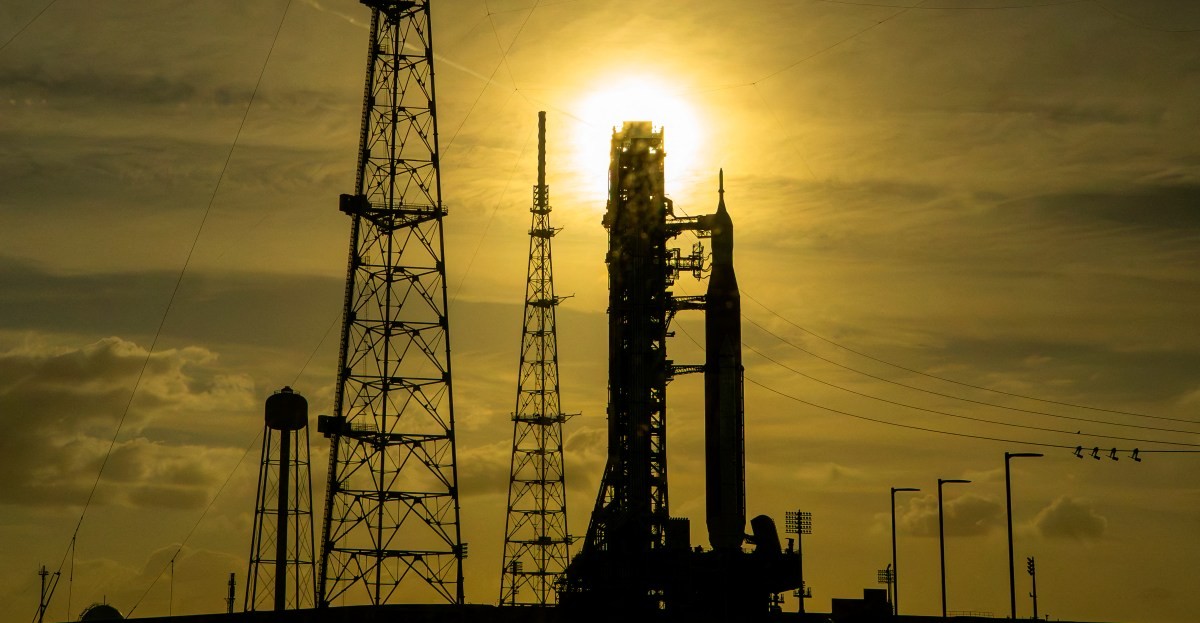
NASA’s Artemis program, aiming for a sustained human presence on the Moon by 2030, is running into a significant legal hurdle. While the upcoming Artemis II mission will send astronauts around the Moon, the long-term goal of establishing a lunar base raises questions about whether resource extraction violates international law.
The Core Issue: Ownership vs. Utilization
The Artemis program isn’t just about revisiting the Moon; it’s about staying there. Unlike the Apollo missions, which were brief visits, NASA envisions astronauts living on the lunar surface for extended periods. This requires exploiting lunar resources – water ice, helium-3, rare earth elements – rather than transporting everything from Earth. The agency has even framed this as a “lunar gold rush,” but this approach clashes with established international space law.
The Outer Space Treaty of 1967, still the cornerstone of space law, explicitly prohibits nations from claiming sovereignty over celestial bodies. The treaty’s principle of non-appropriation means no country can own the Moon. However, the legality of resource extraction remains ambiguous. The U.S. argues that extracting resources isn’t appropriation, a stance contested by many international space lawyers.
The Artemis Accords: A Strategic Maneuver
To navigate this legal gray area, the U.S. introduced the Artemis Accords, a non-binding agreement signed by over 60 nations. While many provisions are reasonable – data sharing, safety protocols, peaceful use of space – the Accords also permit resource extraction, arguing it doesn’t violate non-appropriation. They even allow “safety zones” around lunar activities where other nations can’t interfere.
Effectively, the Accords don’t grant ownership but establish priority access. The first to extract resources in a specific area gains exclusive rights, raising parallels to historical land grabs. The U.S. strategically integrated the Accords into the Artemis program, pressuring partner nations to sign if they wanted to participate.
Geopolitical Rivalry Fuels the Race
The real driver behind the Artemis program isn’t purely scientific; it’s geopolitical dominance. China, not a signatory to the Accords, is developing its own lunar program with Russia, the International Lunar Research Station, and is likely to land astronauts before the U.S. The competition isn’t just about prestige but also about controlling lunar resources, including cislunar orbits, strategic locations, and vital materials like water ice.
NASA’s justifications for Artemis are circular: we need access to ice, so we must establish a base to secure that access. While scientific benefits exist – understanding the solar system, building lunar telescopes – they’re overshadowed by political realities. As space law expert Cassandra Steer bluntly puts it, the U.S. is attempting to rewrite the Outer Space Treaty through consensus, not legal reform.
In essence, the Artemis program isn’t just a scientific endeavor; it’s another front in the global power struggle. The race to the Moon is driven by the same forces that have shaped conflicts throughout history: control of resources, strategic advantage, and the assertion of national dominance.