Recent archaeological discoveries in York, England, challenge long-held assumptions about Roman mourning practices. Contrary to historical records suggesting infants under one year old were not to be mourned, researchers have uncovered evidence that even newborns were given elaborate burials, reserved for the Roman elite. This finding highlights a disconnect between official legal texts and the emotional realities of Roman families.
Gypsum Burials Reveal Unexpected Grief
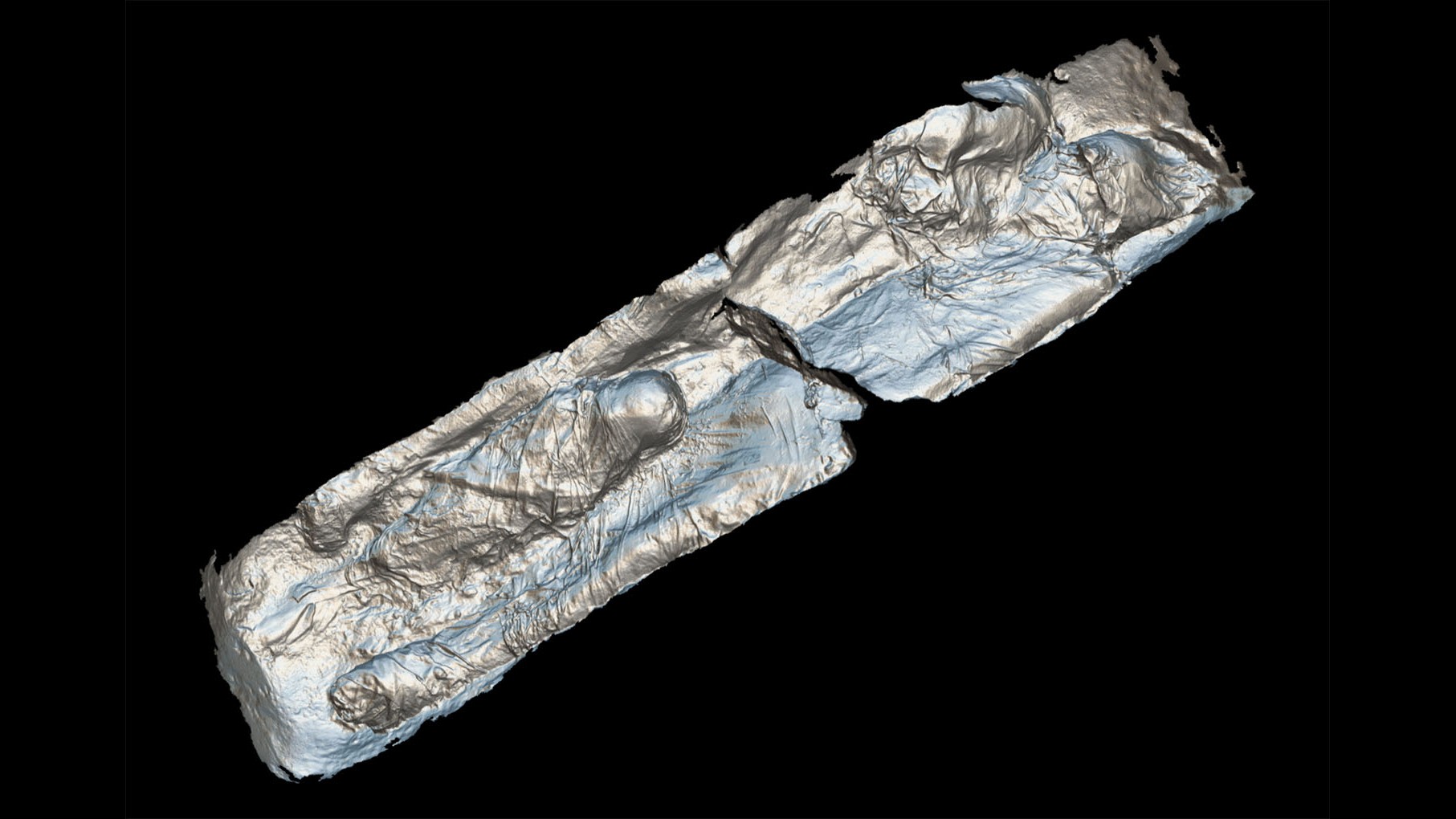
The investigation, conducted by the University of York and the York Museums Trust, focuses on rare “gypsum burials” where bodies were encased in liquid gypsum, a plaster-like substance that hardened over time. Previously thought to be exclusive to adults, these burials now include at least seven children, three of whom were under four months old.
The practice itself is unusual : bodies were placed in sarcophagi (stone or lead) and then flooded with liquid gypsum before it solidified. This preserved details of clothing, hinting at high social status.
Contradictions Between Law and Practice
Roman legal sources indicated that infant deaths were so common they did not warrant public mourning. However, archaeologist Maureen Carroll argues this restriction applied only to public displays of grief, not private sentiments. “They had no bearing on sentiments such as grief or the sense of loss felt and expressed by the surviving family in private,” she explains.
Lavish Burials Demonstrate Affection
One striking example is a newborn buried in 1892 with a cloak of purple-dyed wool decorated with gold thread. The fabric impressions remain visible today, marking the only gypsum burial containing dyed textiles. This suggests that even infants were treated with reverence and expense.
Another case involved a child of roughly four months buried between two adults, possibly family members. A young girl (7–9 years old) was buried with jewelry, shoes, and even the bones of a pet chicken, indicating a deep personal connection. Scans reveal she may have suffered from a prolonged illness before death.
Ongoing Analysis Seeks Further Insight
Researchers are now analyzing the gypsum casing for aromatic substances like frankincense, as well as testing the purple dye (possibly from murex snails) and gold threads. This detailed examination could reveal more about burial rituals and the economic resources devoted to these ceremonies.
These discoveries demonstrate that Roman legal texts, often written by older men, failed to reflect the lived experiences of families. The evidence confirms that even in a society with high infant mortality, children were valued and mourned, contradicting the notion that Romans casually dismissed infant deaths.