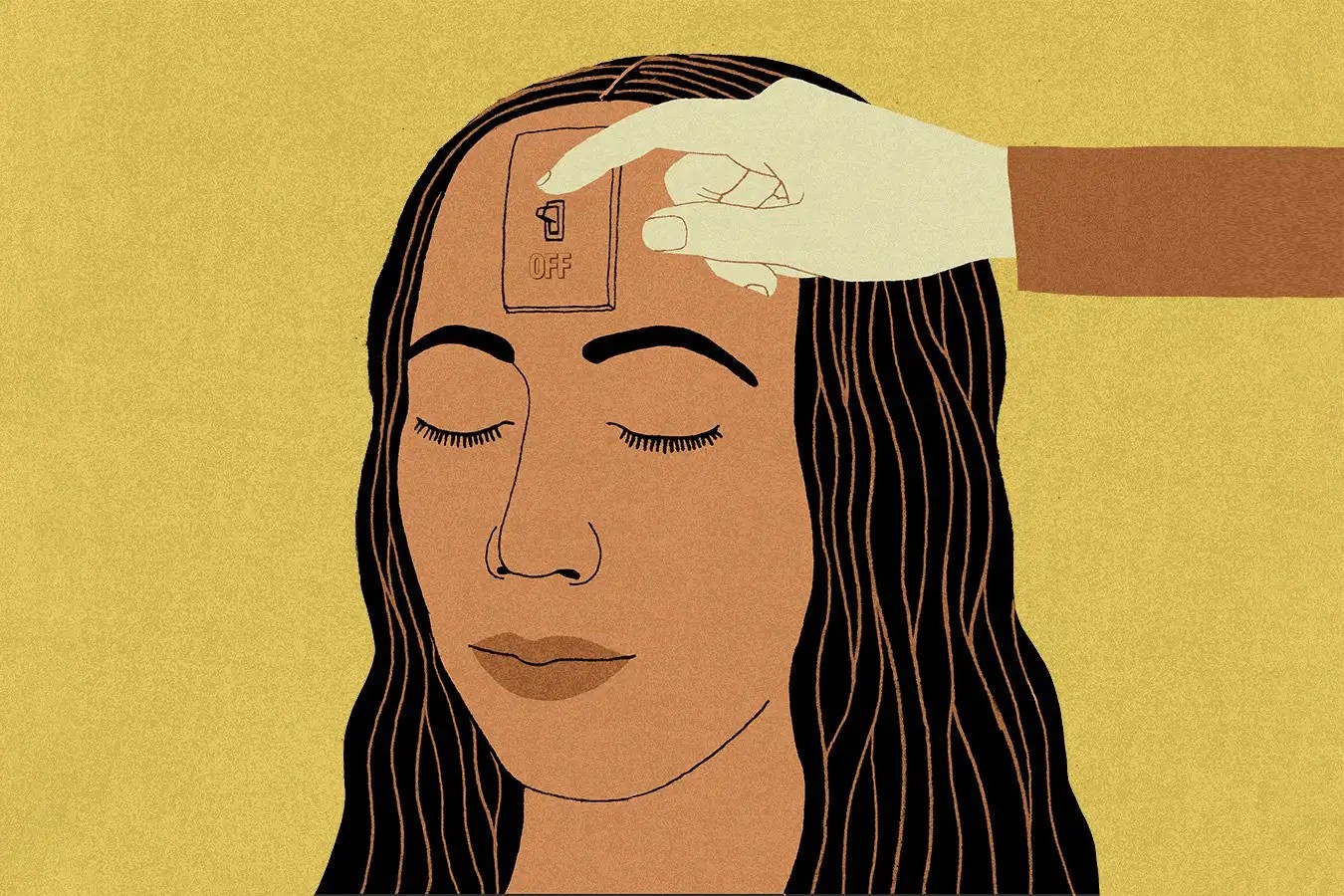
For many, the idea of feeling rested after just a few hours of sleep seems impossible. We’re conditioned to believe in the sacred eight-hour rule, chasing sleep aids and obsessing over sleep trackers. But what if the key to feeling well-rested isn’t how much you sleep, but how you think about your sleep? A growing body of research suggests that mindset plays a far more significant role than many realize.
The Mindset-Sleep Connection
The human brain is remarkably adaptable, and our beliefs have a measurable impact on our health and performance. Studies have shown that embracing a “growth mindset” – the belief that abilities can improve with effort – boosts resilience and willingness to take on challenges. Similarly, framing stress as energizing rather than debilitating improves physiological responses under pressure. This effect extends to sleep, where simply believing you slept well can mimic the benefits of actual rest.
The problem is, we’re terrible at judging our sleep accurately. A significant portion of those who identify as insomniacs are actually getting decent rest. Our expectations and beliefs about sleep can shape how we feel more than the sleep itself. A UCLA study tracking 249 people with depression found that self-reported sleep quality predicted cognitive performance better than objective sleep metrics. Participants who believed they slept poorly performed worse, even if their smartwatches showed otherwise.
How Beliefs Change Reality
Experiments have further demonstrated this phenomenon. In one study, participants were told they slept for either eight or five hours, even when their actual sleep duration was manipulated. Those who believed they had slept eight hours performed significantly better on vigilance tests, showing a 20-millisecond faster reaction time – equivalent to the performance decline after four nights of five-hour sleep or two nights with just three. Brain activity confirmed this effect: believing in more sleep reduced “sleep drive” (delta power) during the day, making participants feel more alert.
This isn’t about tricking yourself; it’s about recognizing how powerfully the brain interprets reality. If you believe you slept poorly, your body reacts accordingly, impairing cognition and mood. Conversely, believing you slept well can shift your neurological state, boosting alertness and resilience.
Beyond the Bedroom: The Role of Daily Life
Our perceptions of sleep aren’t formed in a vacuum. Factors like physical activity, mood, and social engagement influence how we judge the quality of our rest. Researchers at the University of Warwick found that people’s sleep ratings fluctuated throughout the day, with physical activity being the strongest positive influence. Even after a bad night’s sleep, engaging in exercise can retroactively improve your memory of how well you slept.
This is crucial because negative sleep beliefs can create self-fulfilling cycles. Worrying about poor sleep triggers anxiety, making it harder to fall asleep and reinforcing the perception of insomnia. Breaking this cycle requires reframing your mindset and challenging rigid expectations.
Reclaiming Your Sleep Narrative
The good news is that you can actively reshape your perception of sleep. Mindfulness practices, like meditation, can train your mind to observe thoughts without judgment, preventing the anxious spirals that fuel insomnia. Studies have shown that mindfulness not only improves sleep but also alters brain activity, reducing wakefulness during the night.
Another key is recalibrating expectations about sleep duration. The “eight-hour rule” isn’t universal. Many healthy sleepers internalize an unrealistic ideal, creating unnecessary worry. Recognizing your individual needs can reduce anxiety and improve sleep satisfaction.
Ultimately, while good sleep hygiene remains essential, believing in your ability to cope with short-term sleep loss is a powerful tool. A shift in mindset can unlock resilience, allowing you to feel energized and clear-headed even after an early rise. The power to feel rested may lie not in the hours you spend asleep, but in how you choose to perceive them.