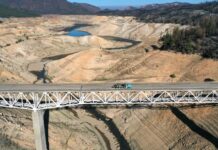
A new analysis of fossil shorebirds found in South Australia’s Naracoorte Caves World Heritage Area offers a stark glimpse into how wetlands vanished as the climate warmed over the last 60,000 years. The discovery, published in Palaeontologia Electronica, underscores the vulnerability of bird populations to environmental shifts – a trend that continues today.
Fossil Evidence of Past Wetlands
Researchers found an unusually high concentration of shorebird remains in Pleistocene deposits within Blanche Cave. This abundance is remarkable because shorebird fossils are rare, making the Naracoorte site exceptionally valuable for paleoenvironmental reconstruction. The fossils indicate that wetlands and mudflats, vital feeding grounds for species like plovers, sandpipers, and snipes, were far more widespread during the last Ice Age than they are now.
The study highlights a pronounced drying phase around 17,000 years ago as a likely driver for the decline of at least nine shorebird species documented in the caves. This matters because it shows how sensitive these ecosystems are to even moderate climate changes.
The Plains-Wanderer Paradox
One of the most puzzling findings was the prevalence of plains-wanderer fossils. Today, this small, endangered bird is limited to fragmented populations in Victoria and New South Wales, preferring treeless grasslands. Yet, the Naracoorte fossils suggest the plains-wanderer once thrived in woodland environments.
Over half of the nearly 300 bones examined belonged to this species, indicating a significant shift in habitat preference over the last 14,000 years. The fact that Naracoorte is the only Australian site with such a high concentration of plains-wanderer fossils suggests that specific, localized events triggered a dramatic decline in their populations.
Migratory Patterns and Ancient Connections
The fossil record also reveals that the region once hosted migratory shorebirds that flew annually from the Northern Hemisphere to winter in Australia. Species like sandpipers (genus Calidris ) and Latham’s snipe (Gallinago hardwickii ) are represented in the Naracoorte assemblage.
Remarkably, some fossils belonged to birds less than a year old, suggesting they completed long-distance migrations (like the 2,000 km journey from New Zealand) only to perish near the cave – likely from predation.
Conservation Implications
The Naracoorte Caves preserve a biodiversity record spanning half a million years, offering a unique window into past Australian landscapes. Understanding how shorebirds responded to past climate shifts is crucial for predicting how populations will fare in the future, especially given the ongoing habitat loss and climate change pressures. As Flinders University’s Dr. Trevor Worthy notes, these fossils help fill a critical gap in our knowledge of Australia’s avian history.
This study underscores that the caves are not just a geological wonder but also a vital resource for conservation efforts, providing direct insight into the ecological conditions that supported threatened species in the past.
The findings reinforce that past climate changes resulted in habitat loss and species decline, and today’s shorebird populations are facing similar pressures. The Naracoorte Caves continue to reveal valuable clues for protecting these vulnerable species.