NASA’s Curiosity rover has delivered unprecedented close-up views of unique rock formations on Mars, resembling sprawling spiderwebs from orbit. These intricate structures, found on the slopes of Mount Sharp within Gale Crater, are providing scientists with fresh insights into the Red Planet’s watery past. The discovery isn’t just about finding evidence of water – it’s about when that water existed, and for how long.
Boxwork Terrain: A Martian Mystery Unveiled
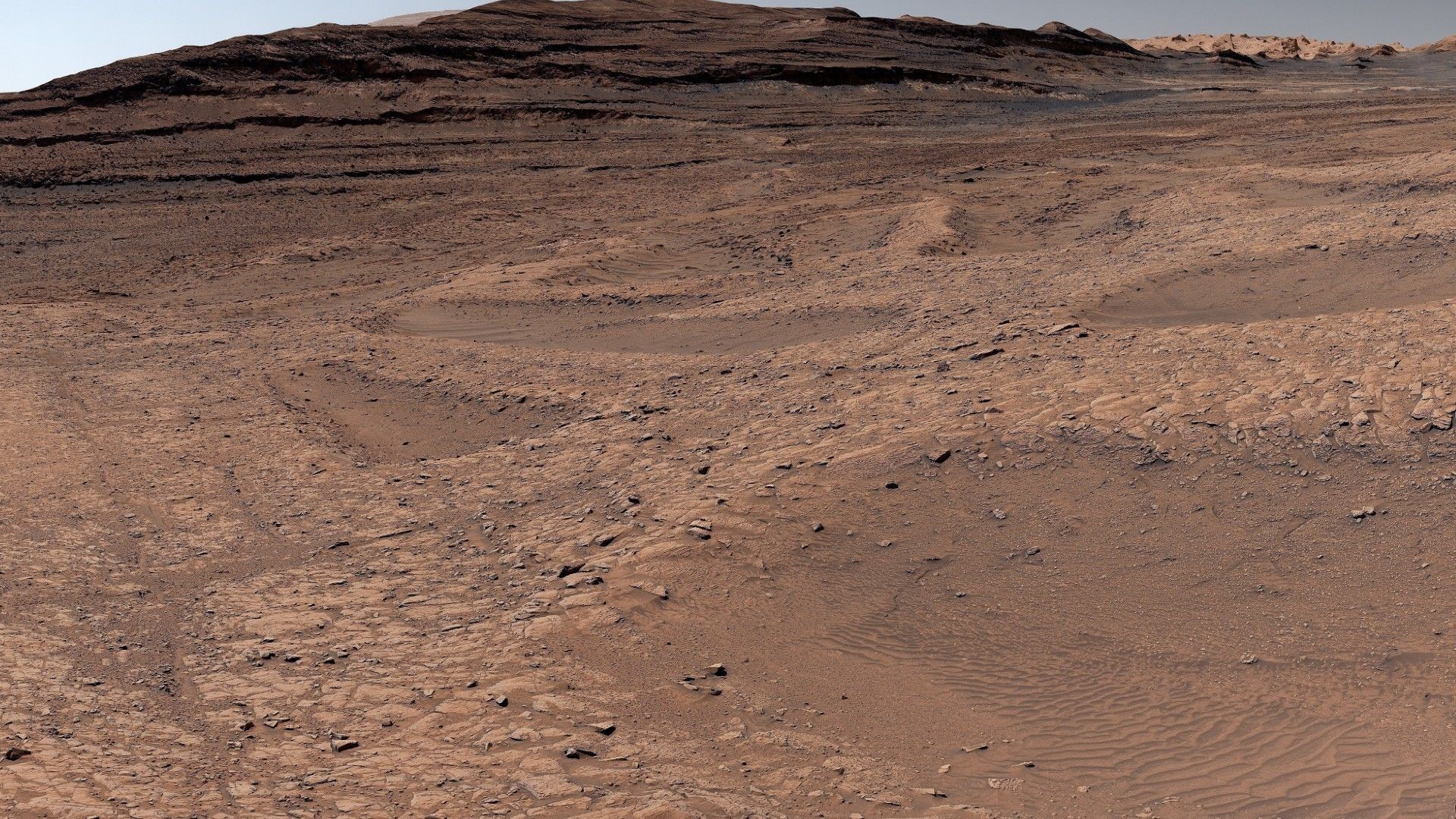
The formations are part of a “boxwork” region: networks of ridges between 1 and 2 meters tall with sandy hollows. For months, Curiosity has explored this landscape, capturing detailed images with its Mastcam on September 26, 2025. What appeared as a massive spiderweb from orbit is now revealed as a complex geological feature formed by ancient groundwater.
The ridges are believed to have formed as minerals hardened within fractures in the rock, while wind erosion wore away weaker material over billions of years, leaving behind the resilient lattice. This process suggests liquid water persisted on Mars later in its history than previously assumed, raising critical questions about the planet’s potential habitability.
Challenging Assumptions About Martian Hydrology
Until now, scientists could only speculate about the nature of these formations. Curiosity’s ground-level view has confirmed their existence and revealed unexpected details. The rover team had to navigate carefully along narrow ridgelines to capture the necessary images, demonstrating how difficult it is to study the terrain.
Closer inspection revealed bumpy mineral nodules embedded in the ridges and hollow floors – another clear sign of past groundwater activity. Surprisingly, these nodules weren’t concentrated near fractures, as expected, but scattered across the landscape. This suggests water and minerals interacted in complex ways across the Martian terrain.
Implications for Mars’ Habitability
Mount Sharp’s 5-kilometer height holds layers of Martian history. As Curiosity ascends, the terrain indicates a shift towards drier conditions interspersed with wetter intervals when rivers and lakes briefly reappeared. The presence of boxwork so high on the mountain suggests a high groundwater table, meaning liquid water may have been available for sustaining life for an extended period.
“Seeing boxwork this far up the mountain suggests the groundwater table had to be pretty high,” explains Tina Seeger, a mission scientist from Rice University. “And that means the water needed for sustaining life could have lasted much longer than we thought, looking from orbit.”
Ongoing Analysis and Future Discoveries
Curiosity is drilling rock samples from the boxwork region. Analyses have identified clay minerals atop ridges and carbonate deposits in hollows, providing further chemical clues about the environment during their formation. These findings not only refine timelines for Mars’ watery past but also inform future searches for evidence of ancient life.
These discoveries reinforce the idea that Mars was once a much more habitable planet than it is today, and that liquid water, a key ingredient for life, persisted for longer than previously believed.
The rover’s continued exploration of Mount Sharp promises to yield even more insights into the Red Planet’s evolution and its potential to have once harbored life.