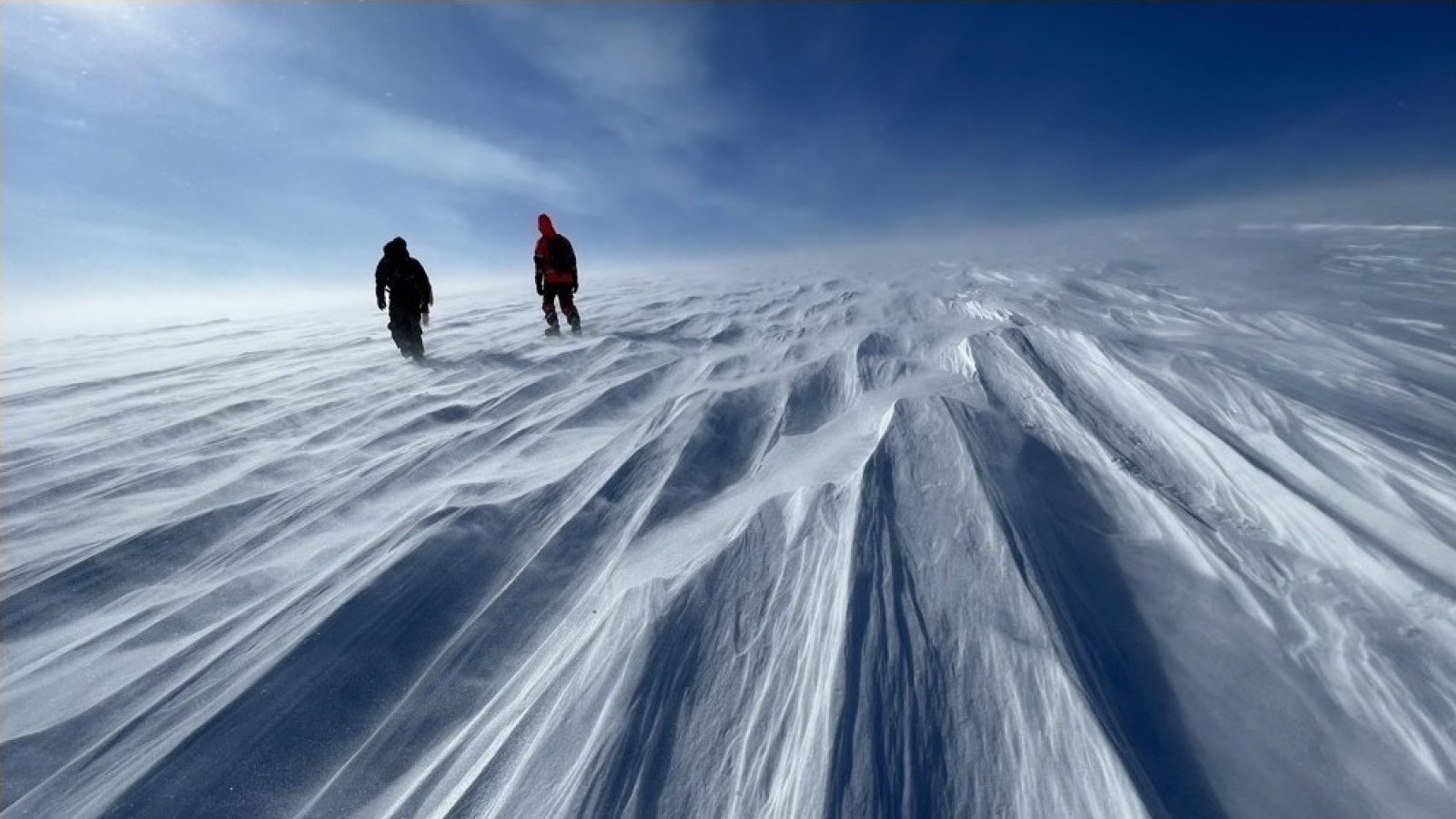
A major section of the Greenland Ice Sheet completely vanished roughly 7,000 years ago, during a period of warming comparable to what climate models predict for this century. This discovery, detailed in a new Nature study, highlights the fragility of the ice sheet and the potential for accelerated sea-level rise.
The Disappearance of Prudhoe Dome
The Prudhoe Dome, now a 500-meter-thick ice cap covering 2,500 square kilometers in northwestern Greenland, was entirely melted at least once in the past. Scientists drilled through the ice to analyze sediment layers, revealing that the ground beneath was last exposed to sunlight around 7,100 years ago. This means the entire dome melted and then reformed over time.
The key takeaway? This wasn’t a remnant of the previous ice age. The ice sheet melted and rebuilt itself, indicating a sensitivity to temperatures that are within reach by the end of the century.
What the Past Tells Us About the Future
Temperatures during the Early and Middle Holocene were 3-6°C warmer than today. Climate models, like CMIP6, project similar warming by 2100. The researchers emphasize that this level of warming could trigger significant ice loss from Greenland, which currently contributes the most to global sea-level rise. If the entire ice sheet were to melt, it would raise average sea levels by 7.3 meters (24 feet).
“The early Holocene is a time known for climate stability… So for natural, mild climate change of that era to have melted Prudhoe Dome and kept it retreated for potentially thousands of years, it may only be a matter of time before it begins peeling back again from today’s human-induced climate change.” – Jason Briner, geologist and paleoclimatologist at the University at Buffalo
Why This Matters
The Holocene period (the last 11,700 years) wasn’t just a stable era for early human civilization; it also demonstrates how sensitive ice sheets can be to relatively small temperature increases. The fact that a large portion of Greenland melted under conditions similar to those predicted for the coming decades underscores the urgency of limiting future warming.
More data from other ice cores in Greenland could map the extent of past ice retreat, providing a clearer picture of how the ice sheet might respond to continued warming. The study highlights the need for both modeling and real-world observational data to refine predictions about future sea-level rise.
The implications are clear: past climate shifts have reshaped Greenland’s ice, and similar changes are now possible within our lifetimes. The stability of the ice sheet depends on how quickly and drastically temperatures continue to rise.