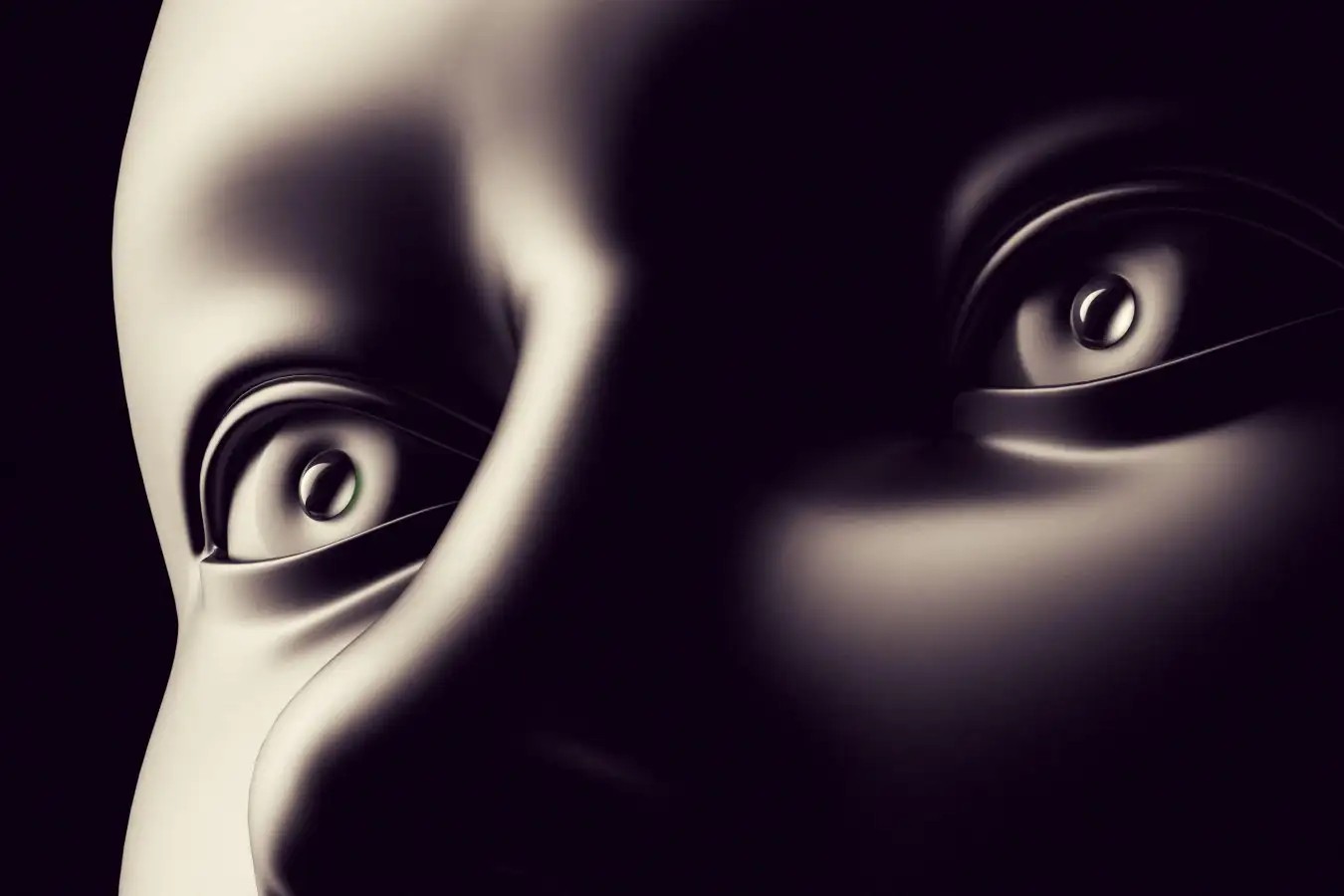
The concept of the “robot” has long served as a mirror for humanity. In science fiction, these mechanical beings are rarely just machines; they are vessels for our deepest anxieties and highest aspirations. Whether they represent the “other” that tests our empathy, the terrifying killing machine, or the loyal companion, robots allow authors to explore complex themes of ownership, personhood, and morality.
While real-world concerns regarding AI focus on misinformation and autonomous drone warfare, literature tends to personify these threats—or allies—by giving them faces, bodies, and distinct personalities. This month, two new novels, Ode to the Half-Broken by Suzanne Palmer and Luminous by Silvia Park, explore the role of robots in society through vastly different lenses.
A Motley Crew on a Quest: Ode to the Half-Broken
Suzanne Palmer’s Ode to the Half-Broken offers a more optimistic, adventure-driven take on the genre. The story follows an aging robot who emerges from long-term isolation after a mysterious enemy steals one of its legs. What begins as a personal quest to recover a missing limb evolves into a much larger mission.
The protagonist is joined by a diverse group, or “motley crew,” including:
– A half-dog, half-robot creature.
– A human mechanic.
– An emancipated aerial drone.
Set in a future where robots have successfully secured their freedom and are generally treated with respect, the book carries a surprisingly cheerful and comic tone. Despite a dark history involving a post-apocalyptic world, the narrative remains lighthearted—featuring elements like an intelligent, talking train—making it an accessible read that would appeal to younger audiences. It shares a similar spirit with works like Adrian Tchaikovsky’s Service Model.
The Dark Side of Imitation: Luminous
In stark contrast, Silvia Park’s debut, Luminous, presents a much more somber and unsettling vision of a robotic future. Set twenty years after the reunification of Korea, the novel depicts a world where robots are ubiquitous and nearly indistinguishable from humans.
In Park’s world, robots occupy uncomfortable social niches:
– They serve as domestic workers or sex workers.
– They are purchased to replace deceased children.
– They are frequently subjected to abuse and systemic mistreatment.
The story follows two siblings, Jun and Morgan, whose lives are shaped by the trauma of losing a robot that was once like a brother to them. Jun works in the “Robot Crimes” division, a job largely focused on the theft of these machines, while Morgan attempts to “manufacture” humanity in her creation—a butler-boyfriend named Stephen—by isolating him from the world.
While the tone is heavy, Park’s character work is exceptional. The robots in Luminous are portrayed as complex, dangerous, and deeply sympathetic, raising uncomfortable questions about how we treat those we create to serve us.
Beyond the Page: A Television Recommendation
For readers looking to see these themes explored on screen, the 2003 reboot of Battlestar Galactica remains a gold standard. The series features “Cylons”—humanoid robots—who are among the most compelling depictions of artificial life in television history. The show masterfully uses the ambiguity of their identities to drive tension, forcing viewers to question the line between human and machine.
Conclusion
Whether through the lighthearted adventures of a “motley crew” or the tragic social hierarchies of a near-future dystopia, these works remind us that science fiction uses robots not just to predict technology, but to interrogate the very essence of what it means to be human.