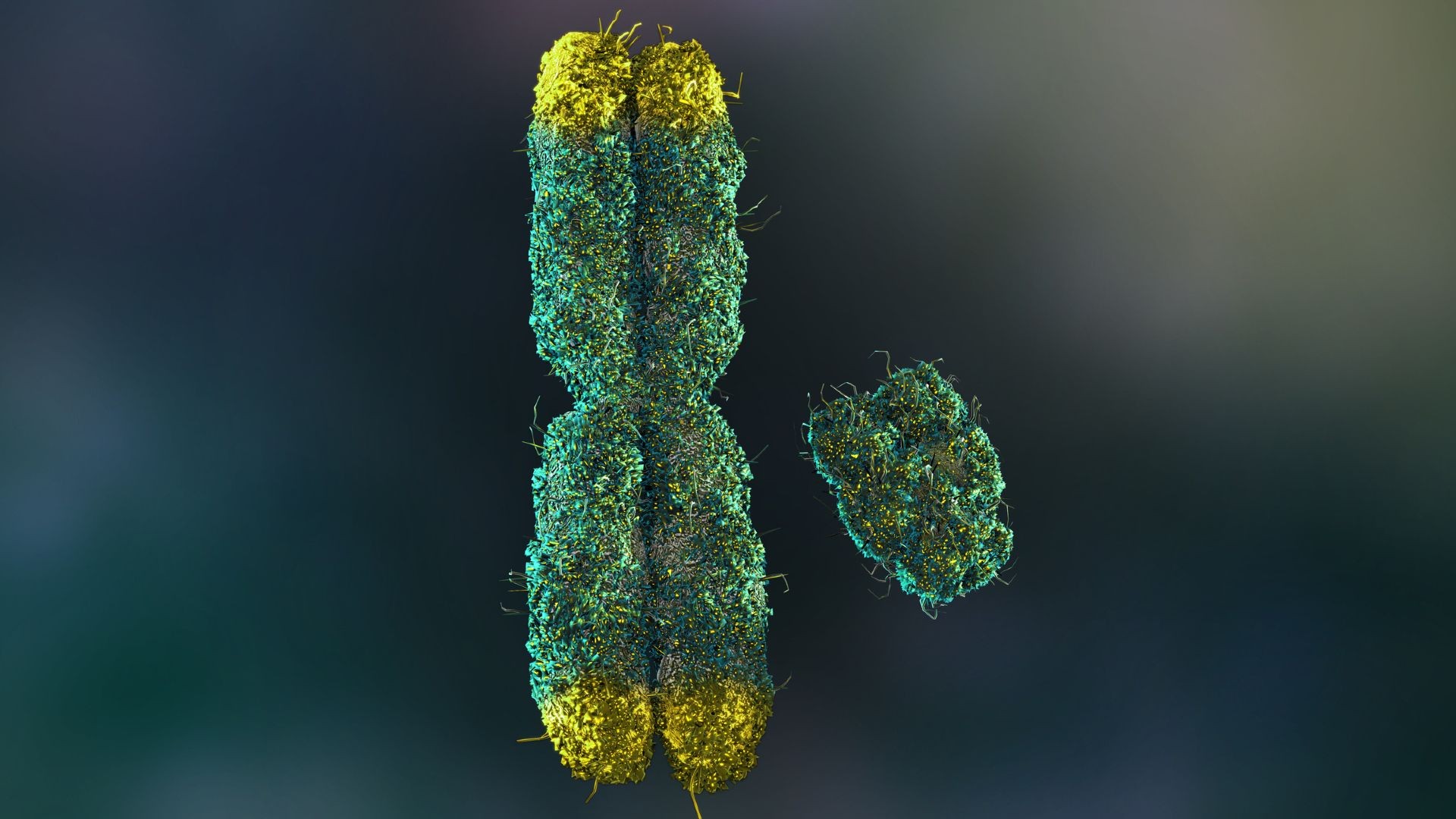
As men age, they increasingly lose their Y chromosome—a phenomenon once considered harmless. However, mounting evidence suggests this loss isn’t just a quirk of aging but a significant contributor to disease and reduced lifespan.
The Silent Disappearance of the Y Chromosome
The Y chromosome, primarily responsible for male sex determination, contains relatively few genes. For years, it was assumed its loss would have minimal impact on overall health. Yet, studies now reveal that Y chromosome loss is widespread in older men, increasing from roughly 40% at age 60 to over 57% by age 90. Factors like smoking and exposure to carcinogens can accelerate this process.
This isn’t a complete disappearance from the body; rather, it’s a mosaic effect. Some cells lose the Y chromosome, and those cells then multiply without it, creating a growing imbalance. Notably, Y-deficient cells often proliferate faster than normal cells, suggesting a survival advantage—even in tumors.
Why This Matters: Beyond Sex Determination
The Y chromosome’s seeming lack of essential genes has led some to dismiss its importance. Some species, like marsupials, readily lose the Y chromosome without apparent harm, and it has been degrading in mammals for millions of years.
However, this perspective is shifting. Despite carrying just 51 protein-coding genes (excluding duplicates), the Y chromosome appears to play a more crucial role in overall health than previously believed.
Links to Serious Diseases
Growing research links Y chromosome loss to a range of severe health conditions, including cardiovascular disease, neurodegenerative disorders (like Alzheimer’s), and cancer.
- Heart Disease: A large German study found that older men with high frequencies of Y chromosome loss had an elevated risk of heart attacks.
- Neurodegenerative Diseases: Loss of Y is significantly more common in Alzheimer’s patients—occurring at ten times the frequency compared to healthy individuals.
- Cancer: Y chromosome loss has been observed in various cancers, not only as a correlation but also as a factor worsening outcomes.
- COVID-19 Mortality: Studies suggest a connection between Y chromosome loss and increased mortality from COVID-19, potentially explaining why men were more vulnerable.
Establishing Causation: A Complex Puzzle
Determining whether Y chromosome loss causes these health problems is challenging. Associations don’t equal causation; other factors could be at play. For example, rapid cell division during organ repair might contribute to Y chromosome loss, rather than the other way around.
However, some experiments suggest a direct link: transplanting Y-deficient blood cells into mice led to age-related pathologies, including heart failure. Similarly, Y chromosome loss in cancer cells appears to promote tumor growth.
The Hidden Functions of the Y Chromosome
If the Y chromosome has so few genes, how can its loss have such widespread effects? The answer may lie in the non-coding genes and regulatory functions of the chromosome. While the SRY gene is responsible for male sex determination, other genes on the Y are widely expressed and play roles in gene regulation and cancer suppression.
The Y chromosome also contains numerous non-coding genes that control the activity of other genes, potentially affecting immune function, blood cell production, and heart health. The complete sequencing of the human Y chromosome only recently became available, leaving much of its impact still unknown.
In conclusion, the loss of the Y chromosome in aging men is no longer considered benign. Evidence suggests it contributes to a higher risk of serious diseases and shortened lifespan, highlighting a previously underestimated factor in male health. Further research is needed to fully understand the mechanisms involved and develop potential interventions.