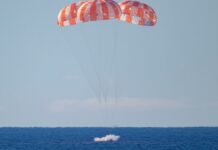
The successful splashdown of the Artemis 2 crew off the coast of San Diego on April 10 marks a pivotal turning point in space exploration. For the first time since the Apollo era ended in 1972, humans have once again traveled to the vicinity of the Moon. However, for NASA, this mission is not a destination, but a proof of concept.
While the four-person crew—Reid Wiseman, Victor Glover, Christina Koch, and Jeremy Hansen—has returned safely, the agency is already pivoting toward the next, even more complex phase of the Artemis program.
The Strategic Shift in Mission Architecture
In a significant departure from previous plans, NASA has restructured the upcoming mission sequence to mitigate risk. Originally intended to be the first crewed landing, Artemis 3 has been repurposed as a critical testing phase.
Instead of heading straight for the lunar surface, Artemis 3 will focus on:
– Testing Orbital Docking: The crew will remain in Earth orbit to verify the Orion capsule’s ability to dock with the program’s Human Landing Systems (HLS).
– Evaluating Private Partners: NASA is relying on two primary private contractors—SpaceX (Starship) and Blue Origin (Blue Moon) —to provide the vehicles that will eventually carry astronauts to the lunar surface.
– Refining Logistics: By testing these docking procedures in Earth orbit, NASA aims to iron out technical hurdles before attempting the much more dangerous maneuvers required in deep space.
NASA currently targets a mid-2027 launch for Artemis 3, which paves the way for Artemis 4 to attempt a landing near the Moon’s south pole in late 2028.
Technical Hurdles and Lessons Learned
Despite the triumph of Artemis 2, the mission provided vital data regarding the “growing pains” of deep-space travel. Space exploration is a process of iterative learning, and the technical glitches identified during this mission are essential for future success.
Hardware Challenges
- Propulsion Issues: A helium leak was detected in the Orion service module’s propulsion system. While the leak rate was manageable during the mission, NASA officials have indicated that an extensive redesign of the valve system will be necessary for missions involving lunar orbits, where pressure requirements are much higher.
- Life Support Systems: Minor issues with onboard systems, such as the waste management system (the “toilet”), have highlighted the need for further refinements to ensure long-duration comfort and hygiene.
The Unproven Landing Systems
The most significant variable remains the landing technology itself. While SpaceX has seen recent success with suborbital tests, the Starship vehicle has yet to reach orbit, demonstrate off-Earth refueling, or integrate a full life-support system. Similarly, Blue Origin’s Blue Moon lander has yet to undergo flight testing. These technologies are the linchpins of the entire program; without them, the goal of a permanent lunar presence remains out of reach.
The Long-Term Vision: A Bridge to Mars
The Artemis program is not merely about returning to the Moon; it is about establishing a permanent human presence beyond Earth. NASA’s roadmap follows a clear progression:
1. Lunar Exploration (2024–2028): Proving crewed flight and landing capabilities.
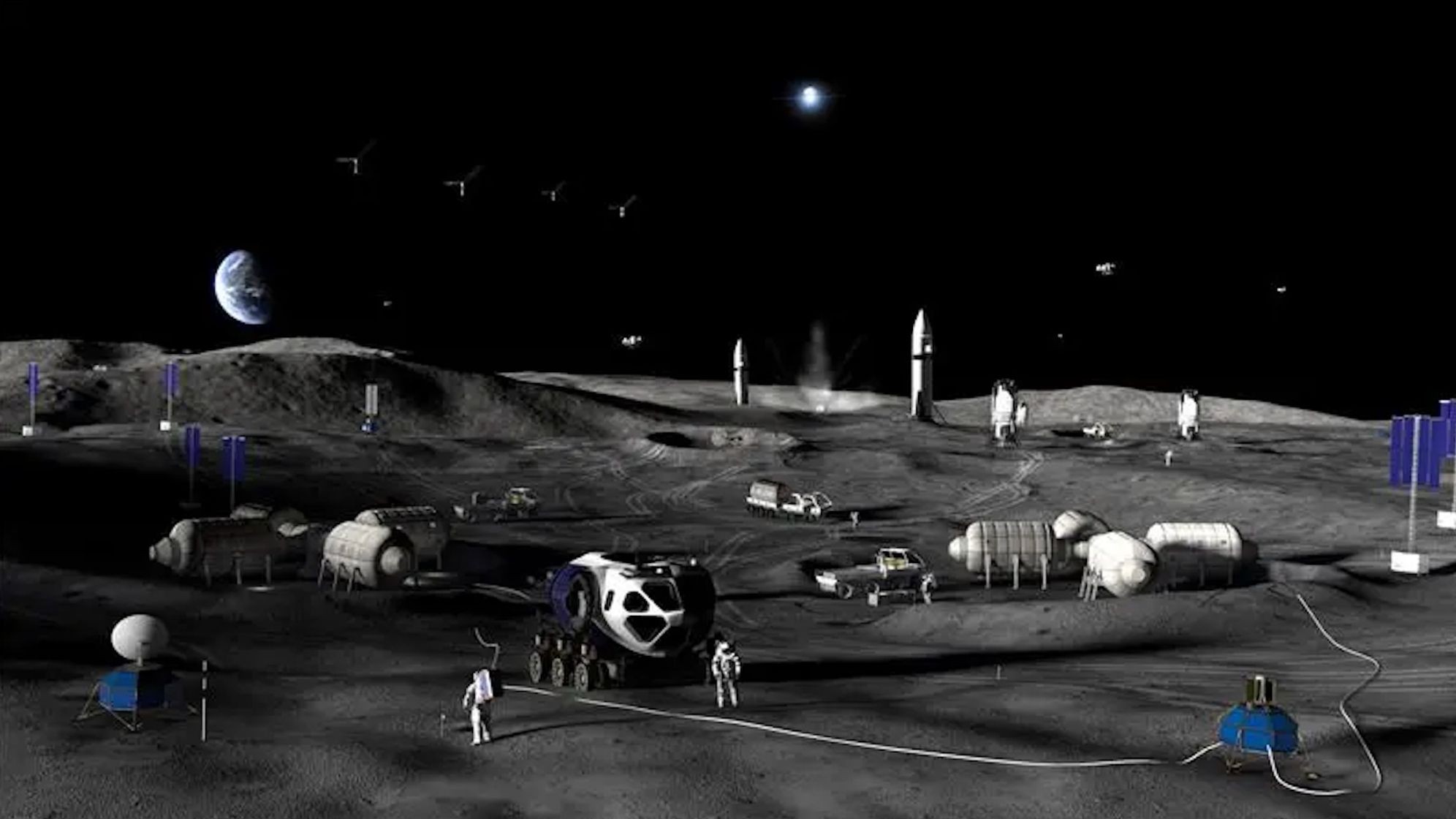
2. Lunar Base Establishment (by 2032): Creating a sustained outpost on the Moon.
3. Mars Preparation: Using the Moon as a “proving ground” to master the life-support, communication, and transit technologies required for the much longer journey to Mars.
“This is just the beginning,” stated NASA Administrator Jared Isaacman following the Artemis 2 splashdown. “We are going to get back into doing this with frequency… until we land on it in 2028 and start building our base.”
Conclusion
The success of Artemis 2 proves that humanity can once again reach the Moon, but the path to a permanent lunar base is fraught with technical and logistical challenges. NASA is now entering a high-stakes period of testing and redesign, where the success of private-sector partnerships will determine whether the Moon becomes a stepping stone to Mars or remains a distant goal.