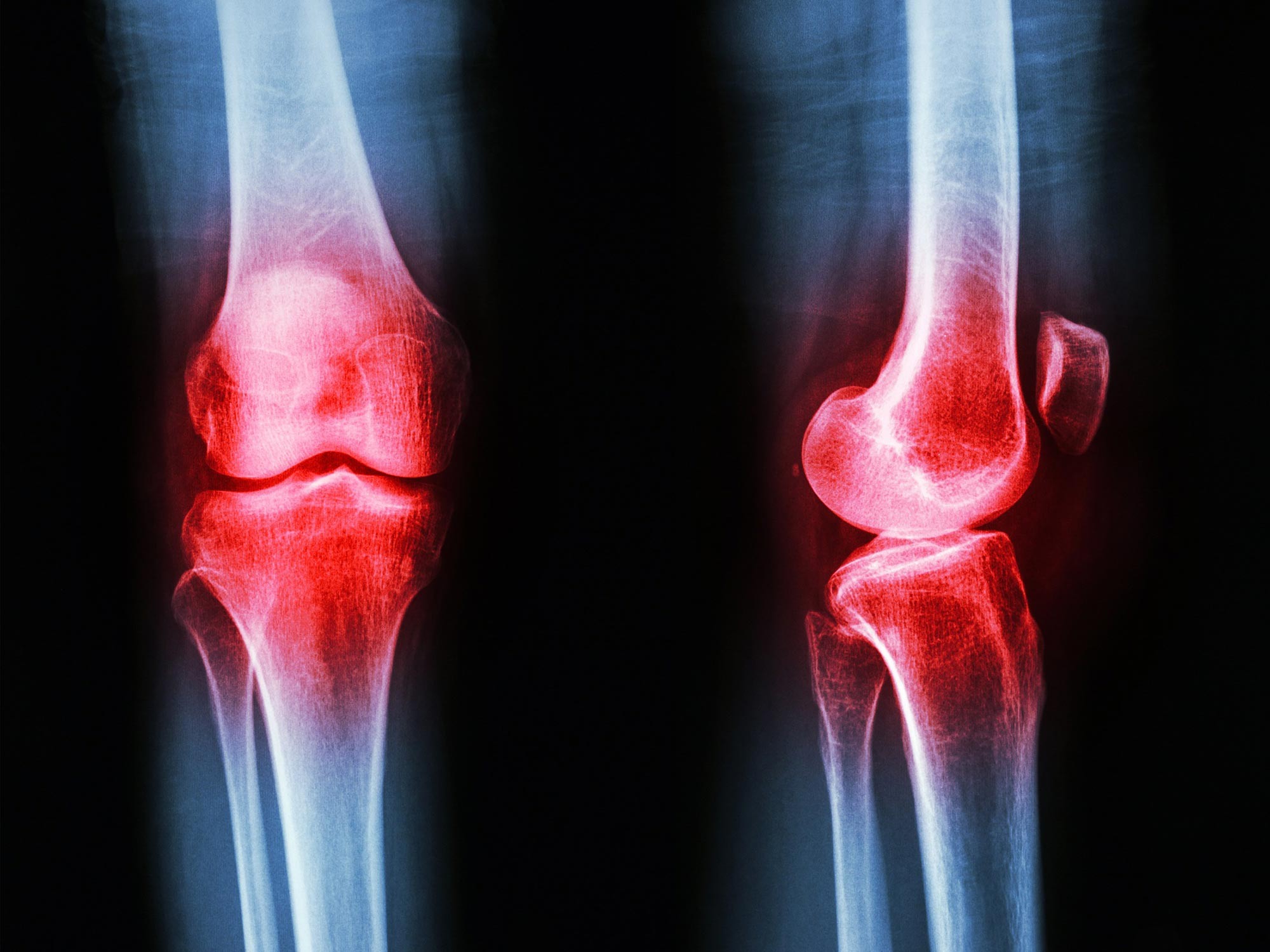
Painkillers don’t fix bones.
That is the quiet truth of osteoarthritis. Millions deal with the ache. They take pills. They get shots. Maybe the throbbing stops for an afternoon. Maybe a little longer. But the cartilage keeps crumbling.
It is a slow erosion. Irreversible. And until recently, medicine just treated the symptom. The noise. Not the machine breaking down underneath.
Now South Korean scientists say they might have found the switch that turns the degradation off.
A Missing Guard
The culprit? Or rather, the protector that goes missing. A protein called SHP (NR0B2).
In a study published in Nature Communications, the team identified this molecule as a natural defender. It suppresses the enzymes that eat cartilage alive. When you are healthy, SHP is there. Holding the line. As osteoarthritis advances, SHP levels drop. Sharply.
No protector. The damage accelerates.
Dr. Chul-Ho Lee. Dr. Yong-Hoon Kim. They led the charge at the Korea Research Institute of Bioscience Biotechnology. Prof. JinHyun Kim from Chungnam National University joined them. They looked at tissue. They looked at mice. The data was stark.
What Happens When It’s Gone
Mice without SHP suffered worse pain. Their joints decayed faster than normal. It was a rapid decline.
But then they reversed it. They restored the SHP levels. The cartilage stopped tearing apart. The mice moved better. The pain faded.
Why?
Because SHP doesn’t just sit there. It acts. It blocks MMP-3 and MMP-13. Those are the wrecking balls. Enzymes designed to break down the structural integrity of the joint. SHP stops them at the signal level. It hijacks the IKKβ/NF-ιB pathway. Think of it as cutting the wire to the demolition charges before the fuse burns down.
“This study is the first to demonstrate that SHP plays a critical role in protecting cart… Therapeutic strategies targeting it may offer a new approach.” — Dr. Chul-Ho. He sounds cautious. He should be. It’s mice after all. But the mechanism is solid.
One Shot Might Be Enough
The researchers didn’t just look. They tested a treatment. Gene delivery.
They took a viral vector. Loaded it with the SHP gene. Injected it right into the joints of animals already suffering from osteoarthritis.
Just one shot.
The effects lasted. Damage went down. Pain lifted.
This changes the goal. It isn’t about managing the pain anymore. It’s about stopping the disease before it eats the joint whole. Or halting it after the damage has started.
The paper, dated February 2026 in Nature Communications, lists a long string of names. Kang, Noh, Kim, Park, Ahn, Kim… a whole team behind a single molecule. Funded by the Ministry of Science and ICT. KRIBB backed the work.
SHP could be the key.
It’s still early. Humans aren’t mice. Delivery systems for people are harder. Regulations are tougher. The road from the lab to the knee is long and full of potholes.
But for the first time, there is something to hold onto that isn’t a painkiller.
Does that mean relief for millions? Maybe. Or maybe it’s just another step. The joint is complex. The protein is small.
We will see if it holds.