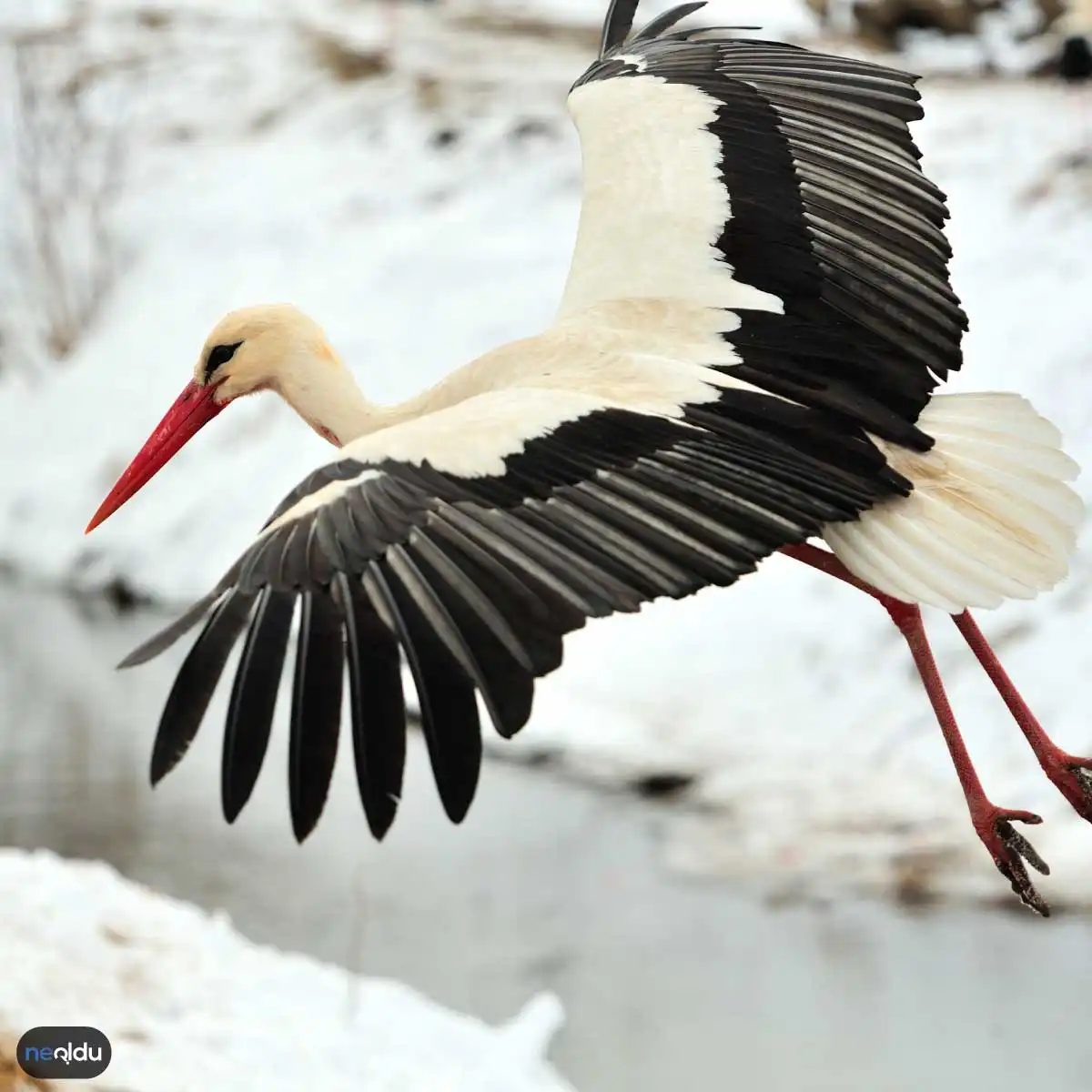
The white stork’s migration is not just a journey; it is a biological marvel played out on a grand scale. When these birds embark on their multi-thousand-kilometer trek, they don’t just fly until they collapse. They stop. These halts, known as migration stopovers, are where the real survival work happens. Here, storks rest, feed, and stockpile the energy reserves needed to cross deserts and mountain ranges.
Skipping these stops is not an option. The health of the individual bird, its ability to accumulate fat, and its future reproductive success all hinge on the quality of these rest areas. We are looking at a complex ecological chain where the stork’s pause is just as important as its flight.
The Critical Role of Migration Stopovers
Why do storks need these specific places to rest? It comes down to physics and biology. Flying long distances burns calories at a staggering rate. A stork needs to arrive at its destination with enough energy to mate, build a nest, and raise chicks. If the stopover sites are degraded or unavailable, the bird arrives exhausted, often with lower survival rates for itself and its offspring.
These stopover sites are not random patches of land. They are carefully selected ecosystems that offer two things: safety from predators and abundant food. For white storks, this often means wetlands, flooded fields, or grasslands teeming with insects, small mammals, or amphibians. The bird must be able to feed efficiently to convert food into fat quickly.
How Storks Navigate Their Route
The route itself is a matter of learned behavior and instinct. Young storks often follow their parents on their first migration, learning the geography of the world. Older birds use a combination of magnetic fields, the position of the sun, and landmarks to navigate.
But navigation is only half the battle. The other half is knowing where to stop. This is where local knowledge and environmental cues matter. Storks look for signs of abundant food. A dry lake bed that is suddenly flooded might signal a boom in frog or fish populations, drawing flocks from miles around.
Why Ecosystems Depend on Storks
The importance of these stopovers extends beyond the birds themselves. Storks are bio-indicators. Their presence or absence tells us about the health of the local ecosystem. If storks avoid an area, it might mean pesticide use is too high, or that water levels have dropped critically.
Conversely, their stopovers help regulate insect populations in these regions. By feeding on pests like locusts or rodents, storks provide a service that benefits local agriculture. They are not just tourists passing through; they are active participants in the food web of the regions they traverse.
The Threat to Stopover Sites
This is where the story gets complicated. As human activity expands, these critical rest stops are disappearing. Wetlands are drained for agriculture. Urbanization fragments the landscapes storks rely on. Pollution contaminates the water and soil, reducing the quality of the food available.
When a stopover site is lost, the stork doesn’t just go to a different hotel. It has to fly further to find food. This increases energy expenditure and stress, leading to lower body condition upon arrival. It’s a domino effect. The health of the stork population is directly tied
The migration of storks is not just a seasonal shift; it is one of the most visually striking phenomena in the natural world. For thousands of years, this epic journey has been regarded as a marvel of nature. Starks travel hundreds, sometimes thousands, of kilometers between their breeding grounds and their wintering sites.
The Driving Factors Behind the Move
Several factors converge to trigger this movement. Climate changes, the availability of food sources, and the distinct differences between breeding and wintering areas all play a role. Typically, storks breed in warmer climates during the summer months and spend the winter in regions that remain even warmer. Consequently, their migration routes generally head south.
Endurance on a Massive Scale
The process itself is striking. During these travels, storks are known as some of the birds that cover the longest distances. Some species can traverse thousands of kilometers in a single year. Throughout this grueling journey, they must contend with harsh weather conditions. Wind, storms, and obstacles over vast distances are overcome thanks to the stork’s resilience and adaptive capabilities.
Navigating Complex Routes
Stork migration routes vary depending on the species. Some storks descend as far as West Africa, while others prefer the Mediterranean region. Possessing excellent navigation skills, storks learn specific routes over years and follow them faithfully. The selection of these routes is crucial, facilitating the mass movement of hundreds or even thousands of birds together, which offers safety and better hunting opportunities.
The Root Causes of Migration
At its core, the question of why storks migrate is tied to survival and reproduction. The primary driver is the need to escape unfavorable conditions in their breeding grounds when resources become scarce. As days shorten and temperatures drop in the north, insect populations and other food sources dwindle. Storks cannot find enough to feed themselves or their chicks.
This brings us to the fundamental “why.” It is not merely about warmth, though that is a factor. It is about energy conservation. Flying south allows them to access abundant food supplies, ensuring they have the strength to return north for the breeding season. Without this annual journey, populations would collapse under the weight of winter starvation.
Another layer involves genetics and instinct. Young storks learn the route from older, experienced birds. This knowledge is passed down, creating a cultural transmission of migration paths. If a route is disrupted by environmental changes or human development, the entire population in that area can be affected.
The timing is also precise. Storks leave when the photoperiod changes, triggering hormonal shifts that prepare their bodies for flight. This internal clock is synchronized with the availability of thermal currents—columns of rising warm air—that allow them to soar with minimal effort. Soaring is energy-efficient. It enables them to cover vast distances without the heavy metabolic cost of constant flapping.
Climate change is altering these patterns. Warmer autumns can delay departure. Earlier springs can advance arrival. These shifts can create mismatches between the storks’ arrival and the peak abundance of food, such as emerging insects. This ecological mismatch poses a growing threat.
Where do they go? The destinations are specific. They rely on wetlands, marshes, and agricultural fields that provide both food and safe roosting sites. Loss of these stopover sites due to urbanization or drainage is a critical issue. Each kilometer lost
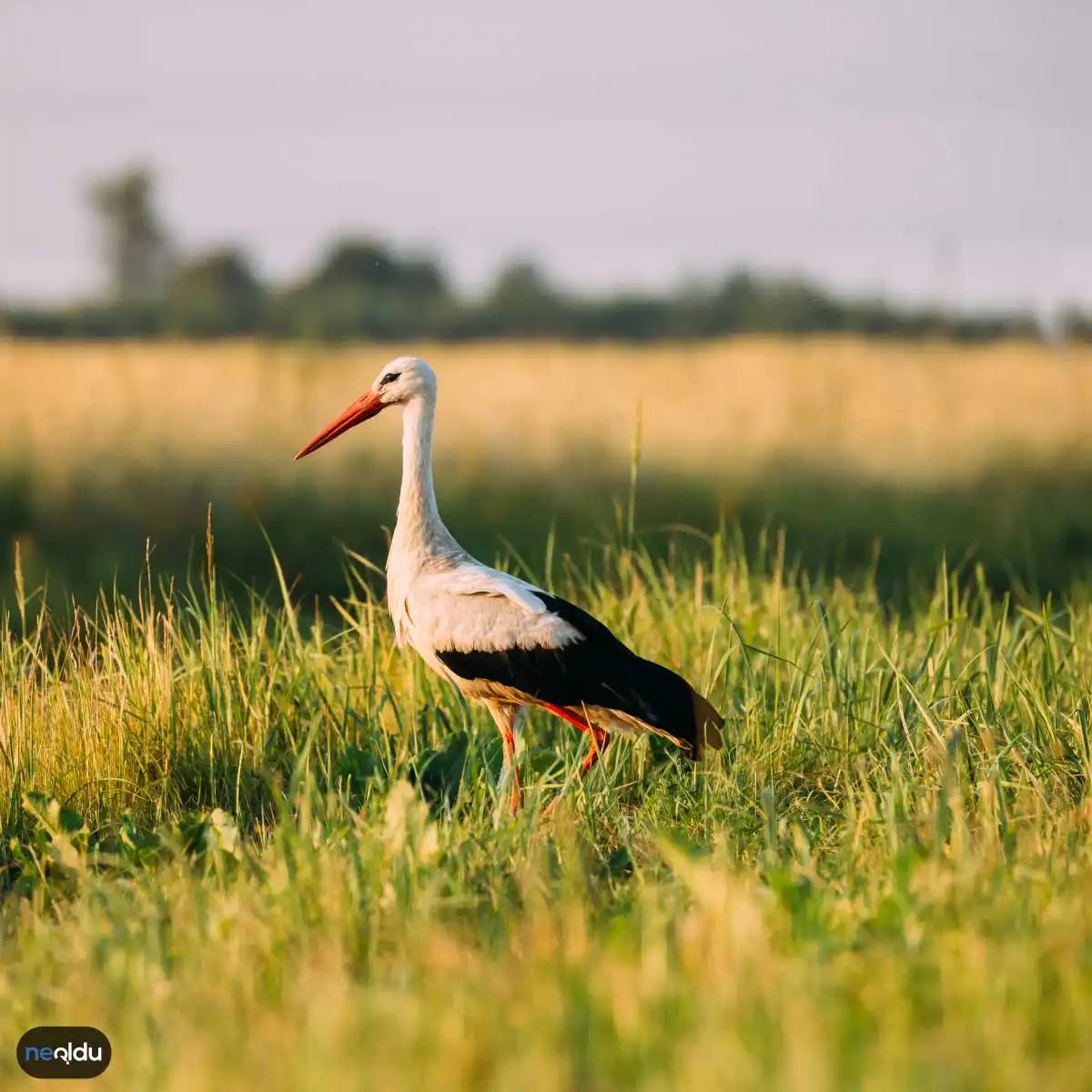
Leylekler göçebe bir yaşam sürer. Bu yolculuk tesadüf değildir. Arka planında biyoloji, iklim ve hayatta kalma içgüdüsü yatar. Peki, neden bu kadar uzun mesafeleri katetmek zorundalar?
Yemek Sorunu: Soğuk Günler ve Açlık
İlk ve en temel neden basittir. Leylekler etçildir. Ana menülerinde böcekler, kurbağalar, yılanlar ve küçük memeliler bulunur. Bunlar sıcak havalarda bolca vardır. Kış gelince her şey donar. Besin kaybolur. Aç kalmamak için yer değiştirmek zorunludur. Güneye doğru kanat çırpmak bir tercih değil, bir zorunluluktur.
Üreme Zamanı ve Yavru Bakımı
Göç, yavruların hayatta kalması için de kritik bir stratejididir. Ebeveynler, yavruları için en güvenli ve besin açısından zengin ortamı seçmek ister. Bu nedenle, üreme mevsimi öncesinde daha ılık iklimlere veya uygun yuva alanlarına hareket ederler. Burada yavru büyütürler. Besin bulma ve koruma yarışında daha aktif olurlar. Kış yaklaştığında ise bu dengenin bozulmaması için tekrar yola çıkmak gerekir.
İklim Değişkenliği ve Yolların Değişimi
İklim, leyleklerin navigasyonunu doğrudan etkiler. Sıcaklık değişiklikleri besin zincirini sallar. Örneğin, erken gelen soğuk havalar, leylekleri kışlama bölgelerine erken gitmeye itebilir. Tam tersi, uzun süren sıcaklıklar onları üreme alanlarında tutabilir. Kuraklık ise su birikintilerini kurutur. Bu da avlanmayı imkansız hale getirir. Leylekler, bu değişkenlere uyum sağlamak için rotalarını bazen esnetir. Bazen de tamamen değiştirir.
Habitat Kaybı ve Yaşam Alanları
İnsanların etkisi de masada. Leyleklerin doğal yaşam alanları sulak bölgeler, tarlalar ve orman kenarlarıdır. Bu alanların değişmesi, onları göçe zorlar. Tarımda kullanılan kimyasallar veya sulak alanların kurutulması, besin kaynağını azaltır. Yuvanın yok olması ise başka bir sorun. Daha uygun koşullar sunan bölgelere yönelmek, hayatta kalma şansını artırır.
Leyleklerin Göç Rotası Nedir?
Leyleklerin takip ettiği yollar sabit değildir. Türlerine ve coğrafi konumlarına göre değişir. Avrupa’dan Afrika’ya göç eden beyaz leylekler, İspanya üzerinden Atlas Okyanusu’nu veya İskenderun Körfezi üzerinden Akdeniz’i aşarak kıtaya iner. Bu rota, hava akımlarını kullanarak enerji tasarrufu sağlar
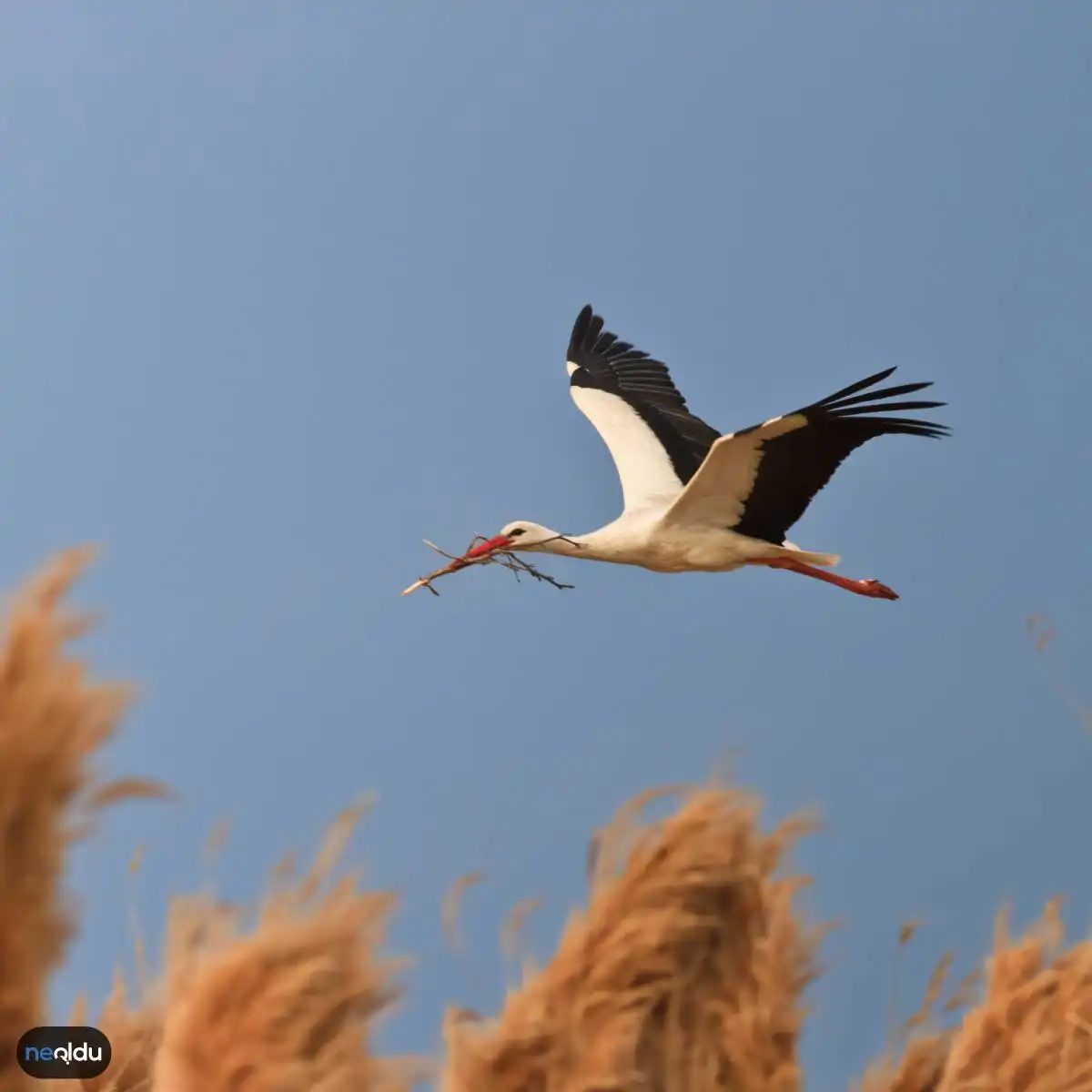
Leyleklerin göç rotası, yalnızca bir çizgi değil, hayatta kalma içgüdüsüyle şekillenmiş bir coğrafi stratejidir. Bu kuşlar, üreme bölgelerinden kışlalarına, oradan da tekrar eve dönüş yolculuklarında sabit hatları izler. Yıllar boyunca öğrendikleri bu güzergahlar, onlar için birer yaşam hattıdır.
Kuzeydoğu Avrupa’dan Batı Afrika’ya yolculuk
Kuzeydoğu Avrupa rotası, Polonya, Belarus, Ukrayna ve Rusya’dan başlayan leylekler için tipik bir geçiş güzergahıdır. Bu kuşlar, kışın soğuğundan kaçarak Sahra Altı Afrika’ya, özellikle Senegal, Gambiya ve Nijerya’ya inerler. Buradaki ılık hava ve bolca besin, onlar için hayati önem taşır.
Diğer bir ana arter ise Batı Avrupa rotasıdır. Almanya, Fransa, İspanya ve Portekiz üzerinden ilerleyen leylekler, batıya yönelir. Kışlama bölgeleri olarak yine Sahra Altı Afrika’yı, ancak bu sefer Senegal, Gambiya, Mali ve Nijer gibi ülkeleri seçerler. Rotanın seçimi, rüzgar koşulları ve konaklama alanlarının varlığına bağlıdır.
Orta Doğu ve Doğu Afrika Geçidi
Bazı leylek popülasyonları, Orta Doğu ve Doğu Afrika rotasını tercih eder. İsrail, Ürdün, Yemen ve Sudan üzerinden geçen bu yolculuk, kıta geçişleri açısından kritik noktalardır. Kışlaklar ise Etiyopya, Kenya, Tanzanya ve Zambiya gibi Doğu Afrika ülkelerinde bulunur. Bu rota, özellikle Avrupa ve Asya kıtası arasındaki geçişlerde sıkça kullanılır.
Doğu Asya’dan Güneye İniş
Doğu Asya rotası ise Rusya, Moğolistan, Çin ve Kore gibi ülkelerden geçer. Bu leylekler, kışın daha sıcak bölgelere, Çin’in güneyi, Japonya ve Güney Kore’ye göç ederler. Bu bölgedeki leylekler, diğer kıtalardaki akrabalarından farklı ekolojik koşullara ve besin kaynaklarına adapte olmuştur.
Rota Seçimi: Neden Değişir?
Leylekler genellikle aynı rotayı yıllarca takip etse de, bu kuralın istisnaları vardır. Bazı türler rotalarını değiştirebilir veya alternatif yollar kullanabilir. Bu esneklik, habitat tercihleri, iklim değişikliği, besin kaynaklarının mevcut olup olmadığı ve göç sırasında karşılaşılan güvenlik riskleri gibi faktörlere bağlıdır.
Leyleklerin Göç Molasının Önemi
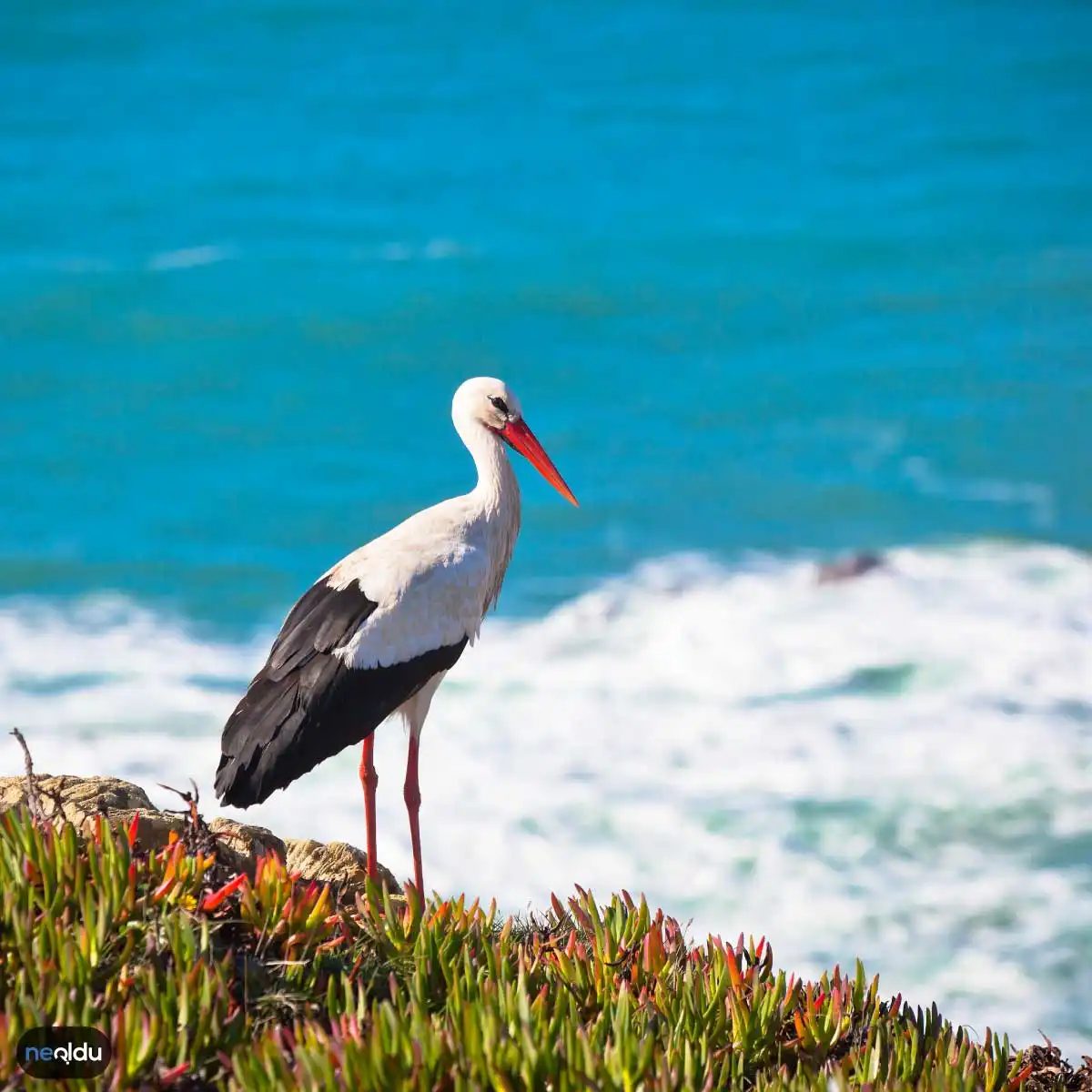
Migration isn’t just about flying. It’s about surviving.
Storks face a brutal journey. They burn through massive amounts of energy crossing continents. Without breaks, they wouldn’t make it. The stork migration stopover is the difference between life and death. It’s where they refuel, rest, and prepare for the next leg of the trip.
Refueling for the Long Haul
Think of a stork like a long-distance runner. You can’t sprint a marathon without water. Storks need calories. During these pauses, they gorge on available food. This isn’t a vacation. It’s strategic energy storage.
They need this reserve for two reasons. First, the journey continues. Second, reproduction demands power. A healthy stork arrives at breeding grounds ready to mate. A tired one doesn’t.
Safety in Numbers and Location
Migration routes are dangerous. Predators lurk. Weather turns. Stopovers offer a reprieve. Storks seek wetlands and safe zones. These areas provide cover from threats. They also allow the birds to regain stamina. Navigational skills improve with rest. A fresh bird makes fewer errors.
The Food Web Connection
Wetlands during migration are feeding frenzies. Storks hunt fish, frogs, and insects. They find these prey easily in shallow waters. This access is vital. It keeps the population strong. It also supports the local ecosystem. The birds move nutrients through the food chain. They aren’t just passengers. They’re active participants in the habitat.
Reproduction Depends on the Stop
There’s a direct link between these breaks and offspring survival. Energy levels dictate success. Well-fed storks build better nests. They defend territories more effectively. They raise chicks that are more likely to survive. Without adequate stopovers, breeding success drops. The species’ future hangs in the balance.
Real-World Risks
Stopovers aren’t risk-free. Predators still hunt. Climate shifts can dry up wetlands. Food sources may vanish. Storks must balance risk and reward. They choose safer areas whenever possible. Their survival instincts are sharp. But they aren’t invincible.
Key Questions on Migration Breaks
Why do storks stop migrating?
To recover. Long flights exhaust them. Stops allow them to rest, eat, and rebuild energy reserves. It’s essential for health and continuation of the journey.
Where do storks pause during migration?
They choose wetlands and safe stopover sites. These areas offer food and security. They provide the right environment for rest and storage.
How long do they stay?
It varies. From a few days to several weeks. Duration depends on species, weather, and route conditions.
What do they do during a break?
They rest in trees or bushes. They hunt for food. They store energy. It’s a mix of survival and preparation.
How do stopovers impact breeding?
Directly. Energy gained here fuels mating and nesting. Healthy storks raise more chicks. The break sets the stage for reproductive success.
Are there dangers during stopovers?
Yes. Predators, weather, and food scarcity pose threats. Storks mitigate these risks by choosing safe locations. Their adaptability helps them cope.
The Bottom Line
The stork migration stopover is not a pause. It’s a lifeline. It sustains the species. It maintains ecological balance. Without these critical moments in the sky, the great flights would end. The storks would fade. We’d lose a vital part of nature’s rhythm.
What happens when those wetlands disappear?