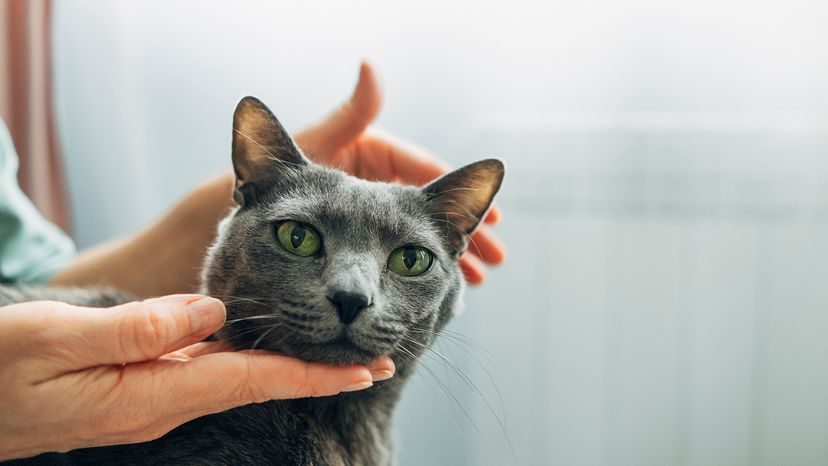
Walking into your living room to catch a whiff of something sharp and pungent is never a good start to the evening. It’s natural to pause and ask if female cats actually engage in this behavior. The short answer is yes. While the stereotype of the spraying cat is heavily skewed toward unneutered males, females do it too. They just might be doing it for slightly different reasons or under different triggers.
Understanding the “why” is the first step to fixing the problem. It is not just bad behavior; it is communication. And often, it is a cry for help or a territorial declaration.
The Mechanics of Marking
Spraying isn’t the same as using the litter box. It is a specific act of urine marking. A cat will back up to a vertical surface—usually a wall, doorframe, or piece of furniture. The tail stands upright, often vibrating or twitching at the tip. A small amount of urine is released onto the surface.
This behavior allows cats to leave chemical messages for other cats. It’s how they say, “I was here,” or “Stay away.”
Both intact and neutered cats of both sexes can spray. However, intact males are the most common offenders because the behavior is tied to reproduction. Females spray less frequently, but when they do, the causes are often nuanced.
What Triggers a Female Cat to Spray?
If your female cat is marking, she is likely reacting to something in her environment or her health. Here are the primary drivers:
- Territorial disputes : In multi-cat homes, or if outdoor cats can see into your windows, your cat may feel the need to reinforce her territory. She is sending a message to other cats, whether they are in the house or out the window.
- Stress and anxiety : Changes in routine, new people, or the arrival of a new pet can spike anxiety. Spraying is a coping mechanism. It helps her re-establish a sense of control in a changing world.
- Medical issues : Sometimes, what looks like spraying is actually a urinary tract infection (UTI), bladder stones, or anal gland problems. Pain or discomfort can lead to inappropriate elimination that mimics spraying. This is why a vet visit is non-negotiable.
- Sexual maturity : Intact females reach sexual maturity around 5-9 months. If she is not spayed, spraying may begin as a way to attract mates or signal her reproductive status.
- Environmental insecurity : A cat needs a predictable environment. Moving furniture, new cleaners, or even changes in your work schedule can make her feel insecure. Marking is her way of reclaiming her space.
Spraying vs. Inappropriate Elimination
It is critical to distinguish between spraying and simply peeing outside the litter box. The distinction matters for treatment.
Spraying involves a small amount of urine on vertical surfaces. The cat’s body language is distinct: tail up, often twitching, body facing the wall but head turned slightly. It is a communicative act.
Inappropriate elimination, on the other hand, usually involves the cat squatting in a horizontal position, like she would in a litter box. This often happens on flat surfaces like rugs, beds, or laundry piles. This is typically a medical issue,
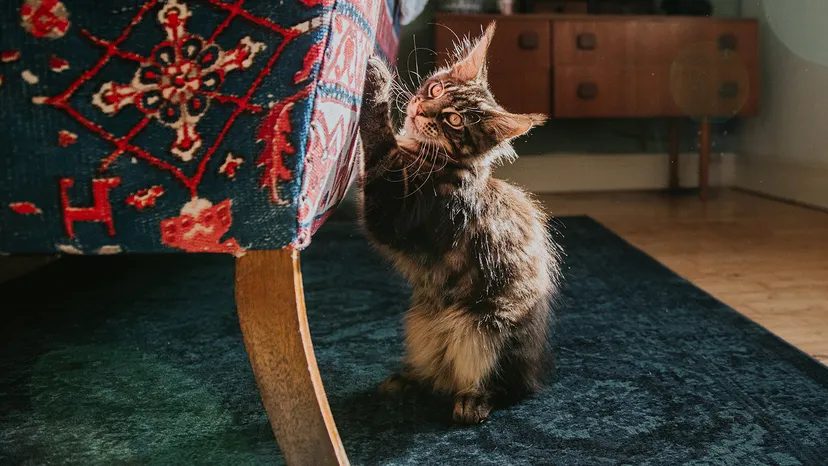
It’s not the same as using a litter box. Emptying the bladder while squatting on a horizontal surface is standard practice. Spraying is a different matter. The female cat stands shaking its tail and pours a small amount of urine on a vertical surface. It is a targeted mark. Stress is often a trigger. The same applies to the need to claim territory. The scent lingers for a long time after the liquid dries and acts as a chemical warning to other cats.
Distinguishing these two behaviors is the first step in solving the problem. One of them is the bathroom problem. The second is a communication problem.
Can spayed cats still spray?
It can be assumed that spaying stops the behavior. It reduces it significantly. Hormonal drives drop. But it doesn’t remove it completely. The Cornell Feline Health Center notes that spayed and neutered cats can still mark.
Why? Because it’s not always just hormones. Stress plays a big role. A lack of mental stimulation can trigger this. The presence of another cat, even if seen through a window, is a common reason.
Habits formed before surgery may persist. A cat that sprayed for months before being spayed may continue this pattern. Medical problems in older cats also play a role. Pain or confusion may lead to inappropriate markings. It’s not always intentional defiance.
Strategies to prevent female cats from spraying
Eliminating the root cause is key. Punishment never works. It just adds to the fear. Focus on reducing stress and taking care of the environment.
Identify Triggers
Look for changes in the household. New pets? New people? Moving furniture? Even small changes can affect a cat’s sense of security. Track when spraying occurs. Does it happen when the neighbor’s cats approach the window? Is it during loud noises?
Reduce stress
Create safe spaces. High perches allow the cat to observe without feeling vulnerable. Interactive play sessions provide mental stimulation and burn off nervous energy. Pheromone diffusers can help calm anxious cats. These mimic the natural facial pheromones that signal safety.
Clean thoroughly
Standard cleaning agents often fail. Ammonia-based products can smell like urine to the cat, causing re-marking. Use enzymatic cleaners designed to break down urine proteins. This will completely remove the smell. If a cat smells its own mark, it will probably return to it.
Manage Multi-Cat Dynamics
If the problem is other cats, manage resources. Multiple litter boxes, water stations and feeding areas reduce competition. Each cat should have access to resources without encountering another. if new cats are involved, a gradual introduction may be necessary.
Consult a Vet
First, rule out medical problems. Urinary tract infections, crystals or other conditions can cause discomfort and lead to marking. If the behavior is sudden or is accompanied by other symptoms, a vet visit is essential.
Sometimes the solution requires patience and observation. It doesn’t always happen right away. But by understanding the “why” behind the spray, you can address the real problem, not just the symptoms. The goal is a home where your cat feels safe enough to leave vertical surfaces alone.
Stop spraying permanently
When your cat marks territory, it’s not a power struggle, but rather a communication breakdown. The first step is not punishment. It’s an investigation. A veterinary visit is necessary to rule out medical problems such as urinary tract infections or kidney disease, which are often comparable to behavioral spraying. Once health is confirmed, focus on the environment and scent.
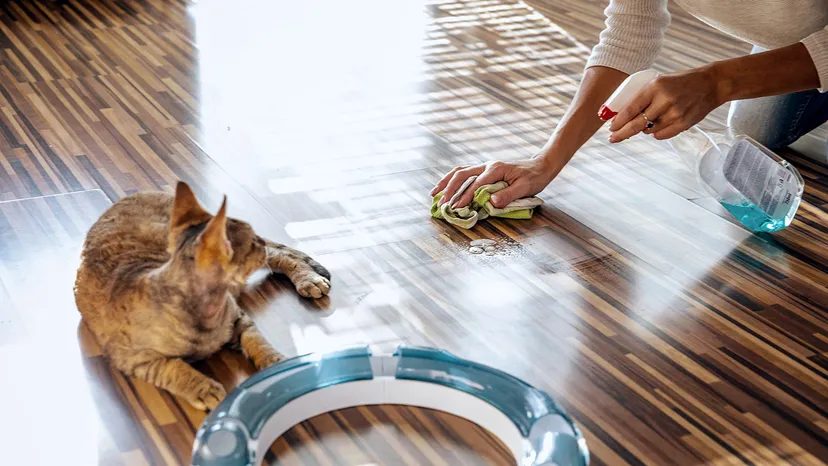
Most owners fail at cleaning. Traditional cleaning agents only spread the smell. You need an enzymatic cleaner that breaks down the proteins in the urine. White vinegar helps in an emergency, but rarely removes odors that cause the cat to spray again. If the smell persists, the cat will return.
Indoor environment management
Indoor cats only have limited opportunities to unleash their instincts. In multi-cat households, stress is the main reason. Every cat needs its own, clean litter box and private places to retreat to. Crowding leads to conflict. Conflicts lead to spraying.
Windows and doors are dangerous areas. An outdoor cat seen through the glass is seen as a territorial threat. Block this view. Use curtains. Install calming pheromone diffusers. A safe environment reduces the need to mark boundaries. Keep the house clean. Reduce variables. Stability is more important than you think.
When to get professional help
Is the spraying regular? Are health problems ruled out? Then it’s time for behavioral consultation. A professional can assess specific triggers and suggest targeted interventions. This is not about obedience training. It’s about understanding what the cat feels and needs.
Spraying is a form of communication. It’s a signal. Ignoring or punishing the cat will make the stress worse. Understanding the cause solves the problem.
This content was developed using artificial intelligence technology, then fact-checked and edited by a HowStuffWorks editor.