


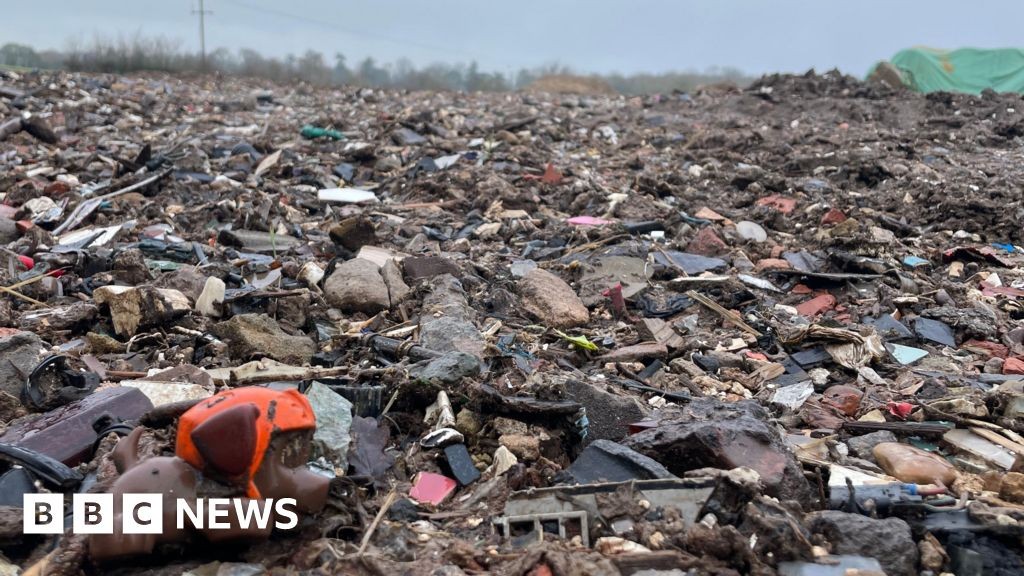
Hundreds of illegal waste dumps are operating across England, including at least eleven “super sites” containing tens of thousands of tons of rubbish. A recent BBC investigation reveals a widespread and escalating problem, with organized crime playing a significant role in exploiting loopholes and evading enforcement.
Scale of the Problem
Data from the Environment Agency shows over 700 illegal tips were shut down in 2024/25, yet 517 remained active at the end of last year. These include massive sites, such as a 280,000-ton dump in Cheshire, two 50,000-ton sites in Lancashire and Cornwall, and a 36,000-ton tip in Kent. The majority are hidden on agricultural land, often in rural locations.
This isn’t just about litter or unsightly waste; it represents a systemic failure to regulate waste disposal effectively. The economic incentive for illegal dumping is strong : legitimate landfill fees and taxes add up, making under-the-table operations far more profitable for criminals.
Organized Crime & Enforcement Gaps
Police suspect many dumps are run by organized crime gangs, charging significantly less than legal operators. The gangs frequently shred waste on-site to reduce volume, then bury or store it illegally. Raids have resulted in cash seizures (nearly £100,000 in one recent case) and arrests, but the scale of the problem dwarfs enforcement efforts.
One villager near a raided site in Worcestershire described daily smoke plumes and unbearable smells, while residents fear retaliation for speaking out. The scale of waste crime was once dubbed the “new narcotics” by a former Environment Agency chief, Sir James Bevan, underscoring its severity.
Environmental & Public Health Impacts
Beyond the visual pollution, illegal dumps pose significant environmental risks. Contaminants leach into waterways, affecting drinking water and ecosystems. Fires break out regularly, releasing toxic fumes. One site in Gloucestershire has been burning for months, causing noise, pollution, and road safety hazards.
Charlie Coats, chairman of Highnam Parish Council, describes a nearby dump as a “significant blot on the landscape” that is polluting the River Leadon and damaging vegetation. Residents report health concerns and a lack of effective action from authorities.
Agency Response & Transparency Issues
The Environment Agency claims it is “pulling every lever” to disrupt illegal waste operations, but campaigners question why details of the largest sites have only been released through data requests. Erica Popplewell of River Action asks why the agency isn’t more transparent, allowing for greater public scrutiny.
The agency has stopped activity at 743 illegal sites but admits that for every site closed, new ones emerge. The lack of long-term cleanup is also a critical issue; many sites remain uncleared, despite culprits being identified and prosecuted.
The situation highlights a systemic failure: weak enforcement, insufficient funding, and a lack of transparency allow illegal waste dumping to thrive. Unless authorities take decisive action, the crisis will continue to worsen, threatening both the environment and public health.


