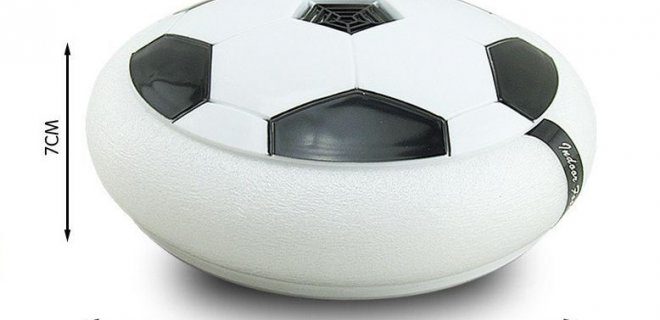
Hava soğumaya başlayınca durum değişir. Çocuklar dışarı atlayamaz. Pencereler kapanır. İçeride sıkışıp kalan enerji birikir.
Özellikle oğlan çocukları için bu bir felakettir. Onlar için oyun alanı denince hemen zemin düşer. Top. Sınırsız top. Kış geldiğinde bu top evin içinde dolaşmaya başlar.
Durum kontrolsüz hale gelince sonuç belli. Evdeki her şey hedef alır. Avizeler. Vazolar. Camlar. Kırılmadan kalan tek şey kalmayabilir. Bu sadece bir şaka değil. Gerçek bir ev sorunudur.
Why the Flying Disc Saves Living Rooms (and Parental Sanity)
We’ve all been there. The winter chill sets in. The backyard is a frozen wasteland. The kids need to burn off energy. And then, the inevitable question: can we play ball inside?
Usually, the answer is a hard no. Because of the shattered vase, the cracked screen, or the terrified cat.
But there is a new player entering the home arena. It’s not a foam ball. It’s not a beanbag. It’s a hovering disc.
This isn’t just another toy. It’s a solution to a very specific, very loud problem. Flying disc technology for indoor play has evolved enough that parents can finally breathe a sigh of relief. The concept is simple enough that even a toddler can grasp it. Throw it up. Catch it. Repeat. But the mechanics underneath are surprisingly sophisticated.
How It Actually Works Without Causing Damage
The magic lies in the aerodynamics. Traditional plastic discs are brittle. They fly fast. They hit walls with the force of a projectile.
This new disc uses a different approach. It’s designed for stability. The flight path isn’t a wild, unpredictable arc. It’s smooth. It’s gentle. The material absorbs impact. If it hits a lamp? It bounces off. It doesn’t break. It doesn’t dent. It just… stops.
Think of it as a soft-bodied projectile. The engineering prioritizes safety over speed. That’s a deliberate choice.
Why Parents Are Buying This Right Now
Winter is long. Indoors is small. Kids are bored.
The indoor safe flying disc addresses three pain points at once:
1. It burns physical energy.
2. It requires hand-eye coordination.
3. It makes zero noise compared to basketballs or soccer balls.
There’s a reason these are trending. They solve the “too loud” and “too dangerous” problems simultaneously.
Which Models Are Actually Worth It?
Not all floating toys are created equal. Some are cheap, wobbly, and break in a week.
Look for:
– Durable outer shell: Must withstand repeated drops and catches.
– Smooth flight mechanics: No erratic spinning.
– Lightweight design: Easy for small hands to grip.
The best options on the market currently focus on these traits. They don’t promise superpowers. They promise reliability.
The Real Impact on Family Time
It’s not just about keeping your porcelain figurines intact. It’s about creating a space where movement is encouraged.
When fear of breaking things is removed, play becomes freer. Kids laugh. They jump. They interact. Parents watch without holding their breath.
This is the real value proposition. It’s not a high-tech gadget for tech-obsessed parents. It’s a tool for connection. For kinetic joy. For surviving the dark, cold months without losing your mind—or your coffee table.
So, do you need it? Maybe not. But if you’re tired of saying “no” to every indoor game?
It might just be the easiest purchase you make this season.
The disc hovers. The house stays whole. The kids keep moving.
What’s next for indoor play? Who knows. But right now, this works.
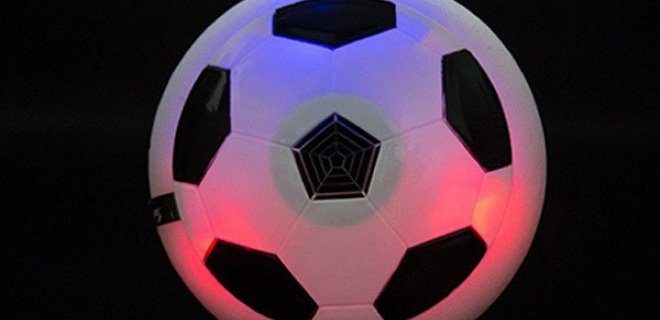
The Gravity-Defying Toy That Won’t Break Your Lamp
It floats. It spins. It glows. The Play A Like Pro levitating toy has already captured imaginations, and for good reason.
Forget the frustration of shattering vases or scratching coffee tables. The secret lies in the mechanics. Strong fans located directly underneath the floating disc create an upward air current. This force keeps the toy suspended in mid-air. No contact. No damage. Just physics doing its job.
“It keeps the toy in the air without causing breakage or scratches.”
Powering this levitation act requires four batteries. But the fans are only half the story. The toy features blinking LED lights. These illuminate the disc as it hovers. The effect adds a layer of spectacle to the play session.
Children are drawn to it immediately. Why? Because it looks like magic. It’s not. It’s aerodynamics. But to a kid, it’s just pure fun.
How long does it last? Depends on the batteries. How much space does it need? Just enough to hover. It doesn’t roll across the floor. It stays put. Or rather, it stays up.
This isn’t just a toy. It’s a demonstration of magnetic or air-pressure principles, wrapped in plastic and LEDs. Real life application? Minimal. Real life fun? Maximum.
Who is it for? Kids who love things that defy expectation. Parents who hate cleaning up broken glass.
The light pulses. The disc wobbles slightly in the air stream. It’s mesmerizing. And expensive batteries aside, it works.
Is it worth the hype? The initial interest suggests yes. Whether it remains a favorite or joins the drawer of forgotten gadgets remains to be seen. But for now, it’s airborne. And that’s enough.
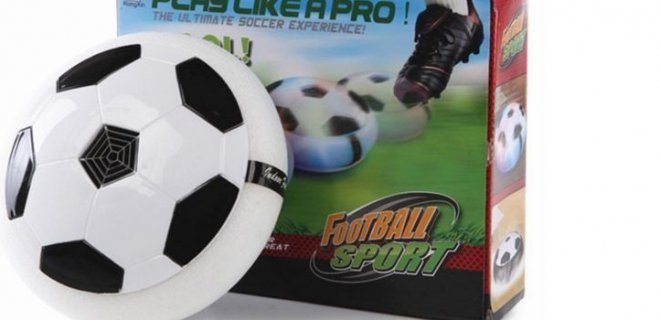
The price for “Play A Like Pro” is just $15. That is the entry fee for transforming your living room into a safe zone for your kids. No more broken lamps. No more scratched tables. Just play.
Why does this matter? Because parenting is exhausting enough without constantly policing where little hands reach. This gadget isn’t just a toy; it’s a buffer between your furniture and their curiosity. It costs less than a dinner out. Less than a video game. You get peace of mind for fifteen bucks.
Consider the geometry of a toddler’s movement. They don’t walk in straight lines. They stumble. They lunge. They treat coffee tables like obstacles in a parkour course. “Play A Like Pro” absorbs that kinetic energy. It turns hard edges into soft boundaries. The material is designed to withstand impact, but more importantly, it stops you from wincing every time something hits the sharp corner of a sideboard.
Is it magic? No. It’s simple physics and better materials. But in a house filled with fragile vases and expensive electronics, simple physics feels like a miracle. You install it. You watch your kid run free. You breathe easier. For $15, that trade-off makes sense.