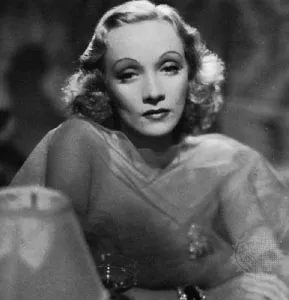
Born Maria Magdalene Dietrich on December 27, 1901, in Berlin, she would eventually become known to the world as Marlene Dietrich. Her life ended in Paris on May 6, 1992. But in between? She was the definition of cool. Long before she was an American citizen, she was a German actress and singer who managed to redefine glamour for two generations.
Her rise wasn’t exactly accidental. After joining Max Reinhardt’s theater company in 1922, she moved quickly from the stage to German cinema. Then came Josef von Sternberg. He cast her as Lola-Lola in The Blue Angel in 1930. The role was small but devastating. She played a destructive cabaret singer who seduces and ruins a respectable schoolteacher. The film exploded internationally. It made her a star.
Sternberg followed her to Hollywood. They became a creative powerhouse, producing a string of films that cemented her image as the epitome of sophisticated, languid sensuality. These weren’t just movies; they were character studies in silk and shadows.
The Sternberg Collaborations That Defined an Era
If you want to understand what made Marlene Dietrich such a compelling screen presence, look no further than her collaborations with director Josef von Sternberg. He didn’t just direct her; he sculpted her image.
Together they crafted a mythology of exotic allure. Their first Hollywood effort, Morocco, came out in 1930. In it, she cross-dressed, sang a torch song to women, and smoked with an air of effortless defiance. It shattered expectations. Women wanted to be her. Men wanted to be near her.
They continued this work with Shanghai Express in 1932. She played a fallen woman trapped on a train through war-torn China. The chemistry with Clark Gable was electric, though the script was often thin. Still, her performance carried the film. Then there was The Scarlet Empress in 1934. She played Catherine the Great. It was a period piece, but she brought her modern, cynical edge to the historical figure.
“She established an aura of glamorous sophistication that few actors have ever matched.”
These films created a specific brand of Marlene Dietrich style that influenced fashion and behavior for decades. It was detached. It was dangerous. It was incredibly sexy without trying to be overt.
World War II and the Comeback
When World War II broke out, she didn’t just make movies. She made appearances. Over 500 times. She toured with the USO, performing for Allied troops. It was a risky move. Some in Germany saw her as a traitor. The Nazi regime had banned her films. Yet she persisted. The troops loved her. She gave them a piece of the Europe they were fighting to liberate, wrapped in her signature tuxedo and cigarette holder.
Her career didn’t stall after the war. In fact, she pivoted effectively. She starred in Destry Rides Again in 1939. This was a western. A comedy. It showed she could do more than moody drama. She played a saloon singer