The domestic electronics brand “Piranha” has become famous in recent years. They didn’t start out as a mobile phone maker. Their reputation is based on navigation devices. These gadgets were the driving force behind the initial development. Then they saw where the market was going. They decided to get into smartphones. This is a bold move.
At first Piranha kept things simple. They released an entry-level model to test the waters. The market reacted positively. This confirmation gave us permission to upgrade our hardware. If you want to know the back stories, you can read about previous IQ Dreams models. But let’s focus on the latest contender. Introducing Piranha IQ Plus.
Specification of technical data
Before you judge a phone, you need to see what’s inside it. This is the raw data:
- Display: 5.5 inch IPS LCD, 720p HD resolution.
- Screen-to-body ratio: 72%. The pixel density is 267 ppi.
- Processor: MediaTek MT6592 octa-core chip, clock frequency 2 GHz.
- RAM: 2 GB RAM, Mali-450 MP4 GPU.
- Storage: 16 GB internal storage, expandable to 128 GB via MicroSD.
- Rear camera: 13 megapixel sensor with one LED flash. Record Full HD video.
- Front camera: 5 MP sensor. It also records 720p video.
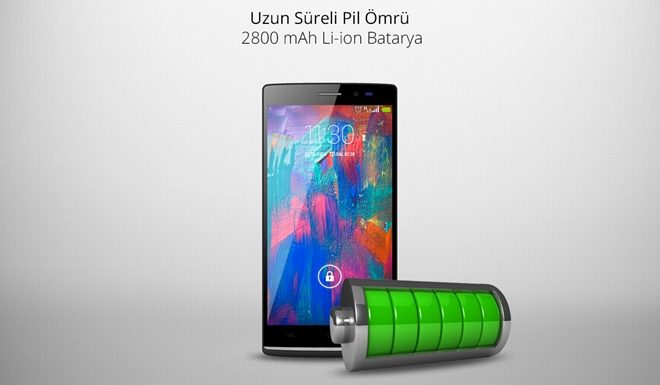
- Battery: 2,800 mAh. It non-removable.
- Additional features: Dual SIM support, IR Blaster, Fingerprint sensor.
Display and design details
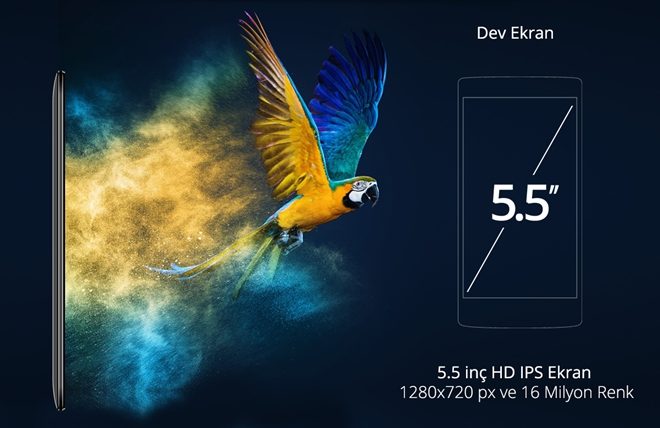
The numbers above tell part of the story. The physical experience is just as important. A 5.5-inch screen is standard in this class. It uses an IPS LCD panel. This means that the viewing angles are good, although the colors may not be as vibrant as in high-end AMOLED screens.
The resolution is 720p. On a 5.5-inch screen, it’s 267 pixels per inch. sharp? This is in the acceptable range for a cheap cell phone. The writing is clear and easy to read. Icons are distinct. But compared to the flagship devices, the difference is obvious. If you hold the phone close, you’ll notice a little pixelation. It’s a trade-off with a lower price point.
The design prioritizes function over flash. screen-to-body ratio is 72%. Despite the large screen, the device will be relatively compact. It doesn’t feel bulky even when holding it with one hand.
The processor is MediaTek MT6592. This chip was very popular a few years ago. It has 8 cores. In theory, this means smooth multitasking. In fact, it handles everyday tasks well. Social media? Yes. Browsing the web? certainly. Heavy gaming? Not really. The Mali-450 GPU struggles with modern graphics-intensive games. You’ll want to keep expectations grounded.
Storage is tight at 16 GB. In actual use, most of the space is used up quickly. The operating system, applications and cache data fill the bucket. That’s why MicroSD support is more than just an added benefit. this is
Screen reality: specs and real-world feel
It has a 5.5 inch screen. It is equipped with an IPS LCD panel with a resolution of 1280x720p. It’s not at the top. But what about the mid-range device? It gets the job done. The color is very nice. The resolution is 267 pixels per inch (ppi). This meets the class standards. You don’t have to stare to read the text. The glass is protected by Gorilla Glass 3. There may be scratches. Drops happen. This layer provides some protection.
Next is the design. The bezels are the story here. Engineers have minimized the space around the screen. Especially around the edges. Their goal is to squeeze out every bit of surface area through thinness. result? The screen-to-body ratio is 72%. This is a solid figure for this level.
But not all bezel are the same. Look at the bottom. You will find capacitive touch buttons. Home. Back. Menu. takes up space. That’s why the bottom bezel is thicker than the top edge. This is a compromise. You trade symmetry for physical navigation shortcuts at the expense of symmetry. Some people don’t like the extra space. Others don’t notice. Most people just want their cell phone to work.
Does the resolution justify the panel type? In 2024, maybe not. In the device’s era? Completely. The IPS LCD that ensures visibility even in direct sunlight. At the time, OLED was struggling in this regard. that’s right. This is a realistic choice. It’s not top notch. But practical.
The 72% ratio feels very generous in the hand. Your phone won’t look cluttered. The extra space at the bottom is the Barely visual obstruction. This is a holdover from the days before on-screen navigation became the default. You’ll get used to it in no time. Or, if your software allows it, you can switch to gesture control.
Experience counts. The screen is very bright. It’s easy to read. Durable enough to withstand daily abuse. It’s not a masterpiece. This is a tool. A reliable, easy-to-use tool that gets the job done without breaking the bank.
Is that enough? For many users, yes. They scroll. They tap. They watch the video. 267 ppi is sharp enough to hide individual pixels. Gorilla Glass 3 survives the pocket. IPS panels withstand sunlight tests.
That doesn’t mean it’s perfect. It’s all about balance. Between costs, durability, and usability. this device sits comfortably. Barely. But comfortably.
The frame tells the story of its era. When physical buttons were still king. Back when screen space was still a luxury. Now we need edge-to-edge glass. But then what? This is progress. That will do.
Worried about a thick bottom edge? perhaps. Does it affect functionality? No. The buttons are always there. Always accessible. Unlike gestures, which can fail. This is different from a button that requires a precise click.
This is a design choice. Something that works. Not a beautiful one. But functionality tends to win out. Especially if you’re looking for value. This screen offers value. in pixels. In protection. In presence.
You hold it. You use it. You don’t think about bezel. Think about what you’re doing on the screen. That’s the goal. disappear into the content. and
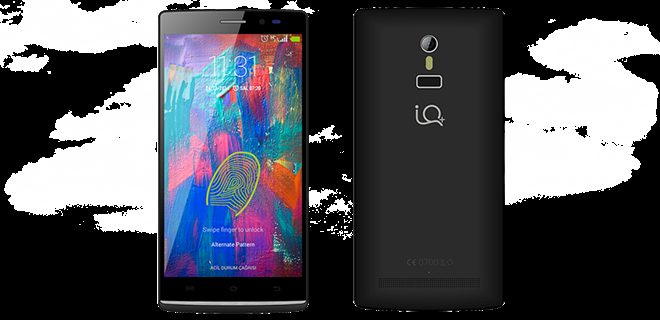
When you walk up to the side of the phone, the first thing you notice is its thickness. 9.3 mm Not light by today’s standards. It feels substantial when you hold it in your hand. But here’s the trick. Designers didn’t just make a flat slab. It tapers towards the edges, so the body bulges outward towards the center, while the body remains slim. This is an ingenious geometric solution that achieves two things at once. Visually, it can make you think the device is thinner than it actually is. Physically, this curved profile makes it easier to grip without slipping.
Turn the device over and the layout tells a different story. Your eye is immediately drawn to the angular fingerprint sensor located below the camera array. It’s sharp. Geometric. A stark contrast to the circular camera module above it. The design team clearly loves to play with shapes. The LED flash once again breaks the pattern with an elongated oval housing that contrasts sharply with the surrounding elements.
At the bottom, the IQ+ logo sits quietly above the wide horizontal speaker grille. These are not just aesthetic choices. These define the feel and functionality of the phone. The speaker placement suggests a focus on media consumption, while sensor placement prioritizes quick one-handed unlocking.
Inside the machine: Camera and Processor Specs
Internally, Piranha IQ Plus uses the IQ+ branding to indicate performance tier. The exterior focuses on silhouette and feel, while the internal components aim to justify the device’s presence in a crowded market. The combination of camera settings and specific processor architecture is designed to handle everyday tasks with ease. This is not about chasing the latest benchmarks. It’s about reliability. The fingerprint reader The angular isn’t just for show. It integrates directly with on-chip security protocols and provides an experience as fast and responsive as the hardware itself.
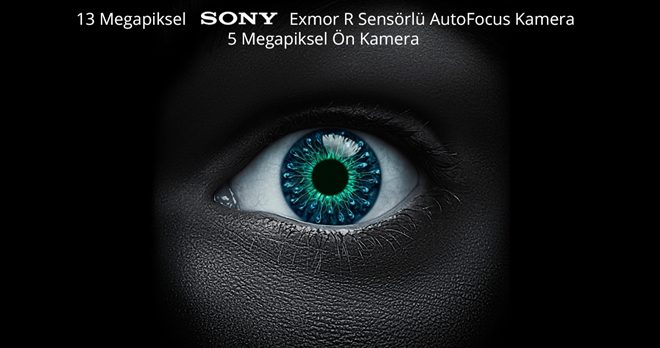
Camera information: Rear 13 MP, Front 5 MP
The back of the phone has a 13 MP main camera with a fixed Sony Exmor R sensor. It also handles 1080p FHD video recording without complaint. The advantage of the Sony sensor is usually light collection, but here the image quality is slightly better. However, the overall performance is still mediocre. LED flashes are useful in dimly lit rooms and are easier to control at night.
Flip it over and you have a 5 MP selfie shooter. This is the standard fare. The sharpness corresponds to the resolution and produces decent images in the right light. Good angle, good light, good selfies. But let’s face it. If you buy this expecting a flagship, you will be disappointed. Keep your expectations low. These cameras work, but they aren’t great.
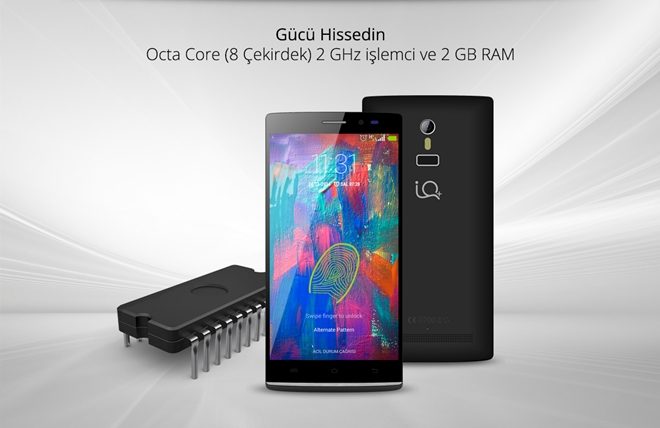
As for the processor, the device is powered by a MediaTek MT6592, an octa-core chip clocked at 2.0 GHz. Although it is not the latest chip on the market, it is equipped with a Mali-450 MP4 graphics unit and 2 GB RAM, a combination that provides satisfactory performance for everyday tasks.
In terms of performance, the phone scored 32,000 points in the AnTuTu benchmark. Although this number may seem abstract, the places the device in a functional mid-range tier for its time. You can multitask without interruption, and the graphics unit is competent enough for casual gaming without heavy rendering.
The 2,800 mAh battery is a great feature, mainly because it’s removable. This is a rare luxury these days. As for battery life, the phone can easily last a full day of normal use. Even if you push it harder, it usually lasts until you get home from work or school.
If you watch a lot of videos or play games on the big screen, this kind of battery life is exactly what you need.
This element of endurance is important. Large screens consume a lot of power. Most phones of the same size struggle to make it past noon with heavy use. This one doesn’t. This suggests that the hardware efficiency is balanced and can compensate for the drain of larger panels. Whether you’re streaming content or navigating a map, the removable battery provides a safety net that sealed units simply cannot match.
The first generation sensor inside the Piranha IQ Plus processes fingerprints quickly enough. It’s not super fast, but it works. Better security even when you’re not using your flagship device.
That’s not the only trick this phone has up its sleeve. A feature that really stands out is the built-in IR Blaster. This turns your phone into a universal remote control. You can control the TV, satellite box, air conditioner and sound system. No more rummaging through boxes to find a lost remote. The software controls the hardware, allowing you to change the channel via a tap or adjust the thermostat.
Support for two SIM cards is also a big plus. In dual standby mode, both lines remain active. No more carrying two mobile phones. You can easily switch between your personal and work lines.
There is one catch. The SAR value is low, 0.58 W/kg, which is good for health. However, this phone does not have a 4G modem. You won’t get 4.5G speeds. Users will be locked into data transfer speeds of 3.5G data rates. This limitation is a big problem if high-speed internet is your top priority. Basic browsing and calling are possible. Know what you’re buying before you pay.
Piranha IQ Plus price and review
In terms of price, the compromise is more tolerable. Comes with functional biometric lock, universal remote control and two SIM cards. You give up fast mobile data communication. Is this a fair trade? It depends on your needs. For many people, connecting to both networks is more important than watching 4K streams on the go. This device fills a specific gap. It doesn’t apply to everyone. But for people who want to manage their device and phone bills without paying high prices, it’s spot on. What happens when 3.5G becomes a bottleneck for legacy applications? That’s a question for later.
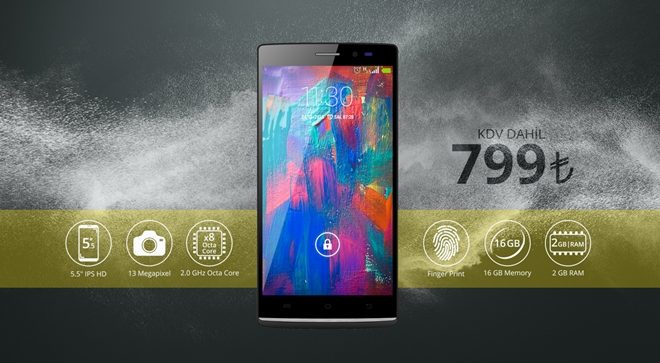
Piranha IQ Plus is only available in one storage configuration. It has 16 GB of internal memory and costs 799 TL. This Price Range is the main selling point.
The phone tries to make up for the lack of internal space by supporting microSD cards up to 128 GB. If you want to manage your files, this gives you plenty of space to store apps and photos.
Who is this phone for?
对于普通用户来说,规格是不错的。 价格吸引了买家,而且设计看起来不错。 对于基本任务来说,性能足够流畅。
但相机很弱。 质量低下。 软件更新可能会稍微改善它,但硬件限制仍然存在。
更大的问题是连接性。 此手机不支持 4G 。 您被困在 3G 或更慢的网络上。 您真的需要闪电般快速的互联网吗? 大多数人都没有。 如果你不关心速度并且对照片的期望不高,那么这款设备适合你的需求。
这是一个利基选择。 不适合所有人。 但对于那些只想要一台功能齐全、价格便宜、无需数据费用的设备的人来说,它是可行的。