It was 1972. Julia Child was flipping eggs on “The French Chef.” For the first time in television history, text scrolled across the bottom of the screen. “I think every woman should have a blowtorch.”
Those words appeared on-screen just as she spoke them. This wasn’t a gimmick. It was the birth of closed captions. The goal was simple. Make TV accessible to hearing-impaired viewers.
Today, we use these terms constantly. But they are not the same thing. You likely use both. You probably just call them both subtitles. That is a mistake. Once you know the difference, you will see it everywhere.
What Closed Captions Actually Do
Closed captions serve a specific purpose. They are designed for the hard-of-hearing and deaf communities. The text matches the original language of the show. But it does more than just transcribe dialogue.
It describes the sounds.
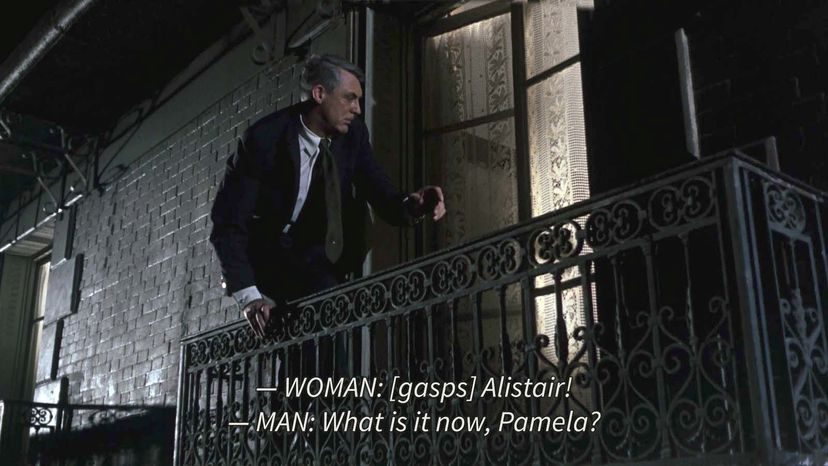
If a documentary cuts away from narration to a musical interlude, you might see: [somber music playing]. If characters switch speakers, the captions often use a dash or a name to clarify who is talking. It is a complete audio map.
This level of detail matters. A deaf viewer needs to know a door slams. Or a car crashes. Or the music stops.
The 2022 Best Picture winner, “CODA,” highlights this need. It stands for Children of Deaf Adults. One-third of its dialogue is in American Sign Language. It was the first feature film released to theaters with closed captions baked into the film reel.
In the United States, the Federal Communications Commission (FCC) mandates that video distributors provide these captions. The rule exists. The enforcement is shaky. Not every program offers them. Often, what you get is just subtitles.
The Role of Subtitles
Subtitles are different. They focus only on spoken dialogue. They assume you can hear the rest.
Their primary job is translation. If a movie is shot in Spanish, English subtitles allow you to understand the plot. They do not describe background noise. They do not indicate laughter or applause. They just translate the words.
Consider the massive success of “Squid Game.” It was a Korean series. Global audiences watched it using English subtitles. The text bridged the language gap. It did not try to explain every ambient sound in the show.
Subtitles make content accessible to a wider linguistic audience. They are not designed for the deaf community. They are designed for anyone who does not speak the source language.
Why the Confusion Persists
Both formats are growing. Streaming services and social media platforms drive this shift. YouTube and TikTok generate automatic subtitles for silence-friendly viewing.
People click them on when babies are sleeping. Or when they are at work. Or in a noisy bar. The function overlaps in practice. The intent does not.
Closed captions include sound effects. Subtitles do not. Closed captions are for accessibility. Subtitles are for translation.
Understanding this distinction changes how you watch video. You notice the [door creak] in a horror movie. You appreciate the translation in a foreign drama. The technology serves different masters.
“Closed captions are designed with the hard-of-hearing and deaf communities in mind.”
This separation is not just technical. It is cultural. One group needs to hear the world. The other needs to understand the words.
The History of Open Captions
Julia Child’s 1972 captions were different from what we have now. They were open captions.
Viewers could not turn them off. They were burned into the broadcast. Today, closed captions can be toggled on and off by the viewer. Open captioning remains rare. It is mostly seen in public displays or specific accessibility contexts.
The evolution from Julia’s blowtorch quote to today’s streaming metadata is long. But the core need remains the same. Access. Clarity. Understanding.
You still see the lines of text. You just ignore them until you need them. Or until you don’t. The screen fills with words. And you finally listen to what they say.