Ever think about how weirdly special it is to just work? Like your stomach.
For most, going is a background task. Boring. Essential. Invisible. For about 15 percent of humans? It is a full-time job. A nightmare, sometimes.
We call this chronic constipation.
But “constipation” is a lazy umbrella term. It covers a lot of ground. One specific subtype, slow-transit constipation (or STC), is basically the meat of last week’s dinner getting stuck in traffic.
Why the traffic?
New research published in Frontiers in Immunology points the finger at a tangled mess of signals. Not just in the head. But in the gut.
The Framework
Scientists are trying to sort out this biological spaghetti.
They propose a four-step model: Trigger, Gateway, Hub, and Effector. Sounds corporate? It is. But it tracks.
- The Trigger is dysbiosis. A slangy word for a messed-up gut microbiome.
- Maybe your diet shifted.
- Maybe meds messed things up.
- The bugs in your belly start churning out different metabolic byproducts.
- These byproducts hit the intestinal wall. This wall is the Gateway.
- Think of it like a bouncer. Usually, it keeps toxins out and lets nutrients in.
- But if the barrier gets weak? If the gut gets “leaky”? Trouble ensues.
“Barrier vulnerability is best interpreted as a permissive condition… rather than as an independent driver.”
In plain English? A weak barrier doesn’t cause constipation on its own. But it opens the door for chaos to leak in. Inflammation rises. Nerves get annoyed.
- The Hub is the messy middle.
- Here, nerves, immune cells, and microbes talk to each other. Loudly. Bidirectionally.
- This chatter can damage the muscular layer of the intestine. The very layer that squishes poop forward.
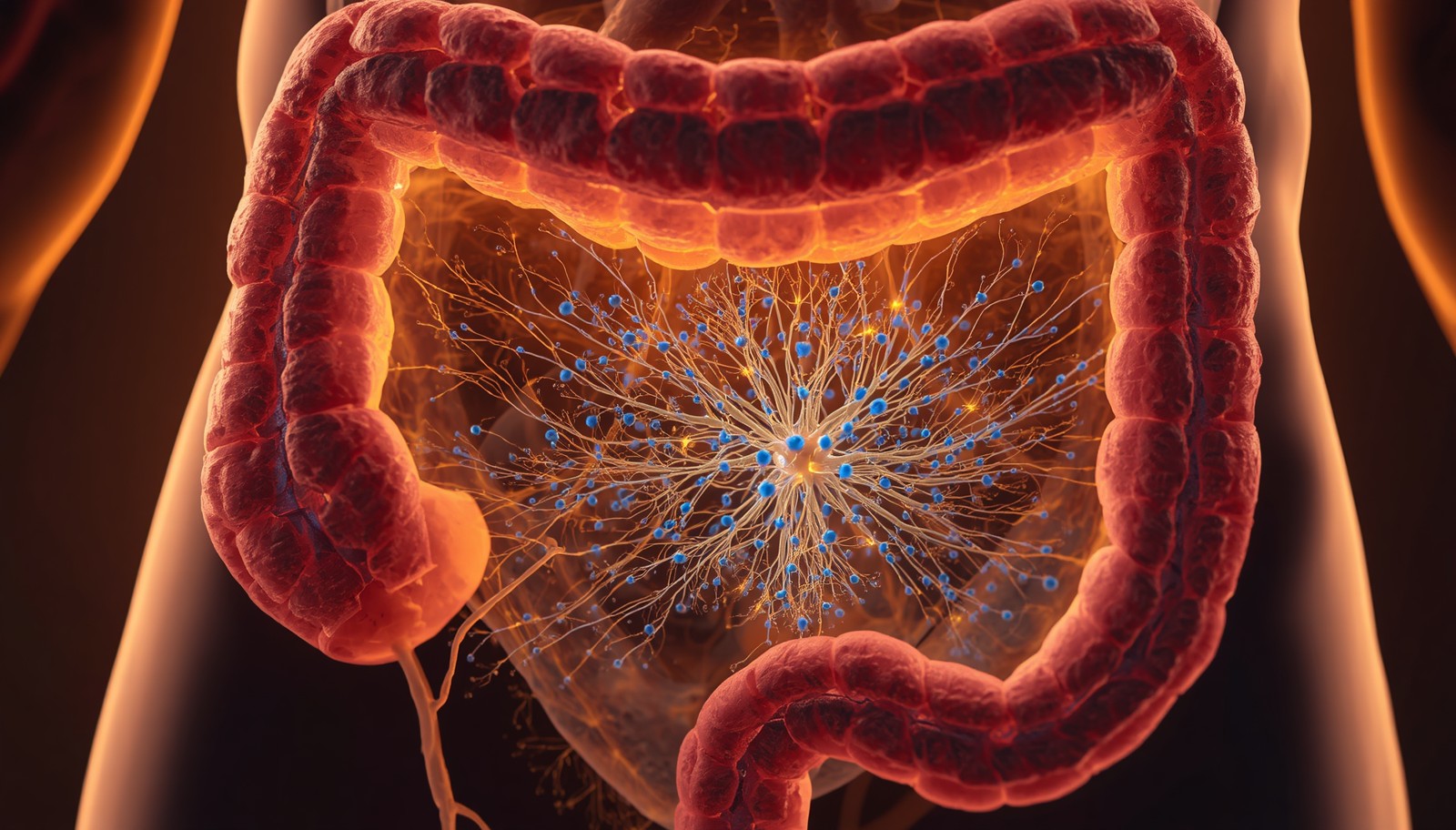
- The Effector is the Enteric Nervous System (ENS).
- Also known as the second brain.
- If the Hub gets noisy, the Effector glitches. Pacemaker cells—the ones setting the rhythm for peristalsis—slow down. Or stop.
Not Just One Thing
Here is the catch.
This isn’t a straight line.
Some microbes produce short-chain fatty acids that help things along. Others produce lipopolysaccharides that cause inflammation. Some turn tryptophan into serotonin. Feel-good vibes.
Altered metabolism doesn’t slam the brake on your bowels. It creates an environment where the brake can be applied.
So how do we fix it?
We don’t know exactly yet. But the map is clearer now.
- Probiotics and prebiotics might rebalance the trigger.
- Fecal transplants bypass the mouth entirely. Direct deposit for gut health.
- Immune modulators could calm the Hub’s inflammation.
- Neuroprotection might save the ENS before the pacemaker cells die.
No silver bullet exists.
Maybe we combine them. Laxatives for today. Microbiome tweaks for tomorrow.
It turns out the problem isn’t just in the gut. It is the conversation happening inside it.
What if the solution isn’t pushing harder?
But listening closer?
We might be a ways off from treating constipation as a complex network issue. But for those stuck in the slow lane, this shift in thinking is… well. A move forward.