It’s happening in Africa.
Slowly. Really slowly. But definitely happening. The ground beneath our feet there isn’t just sitting there anymore, it is stretching. Getting thin. Pulling apart like taffy on a hot day. Scientists are looking at computer models and seismic data and they’re saying something weird: the continental crust in central Africa is thinning. And not in the usual way.
Usually, this takes millions of years. This might take much less time.
How do you see it happening?
You don’t go there with a ruler. You listen.
Geoscientists used seismic waves —the sound vibrations traveling through the planet—to look inside. It’s like an ultrasound for the Earth. Deep ultrasound. They mapped the mantle underneath. The semi-solid layer of rock below the continental crust. The granite and other rocks that make up the solid land masses we walk on.
The results?
A lot of space. A lot of nothingness growing in the middle of the continent. The rock is undergoing what geologists call necking. It’s that mechanical stretching. Thinning. Deforming. As the tectonic plates beneath it move apart.
Wait, what are tectonic plates?
The huge slabs. Some are thousands of kilometers wide. They’re the puzzle pieces of Earth’s outer skin. Africa sits on one. It’s cracking.
The Rift is Opening
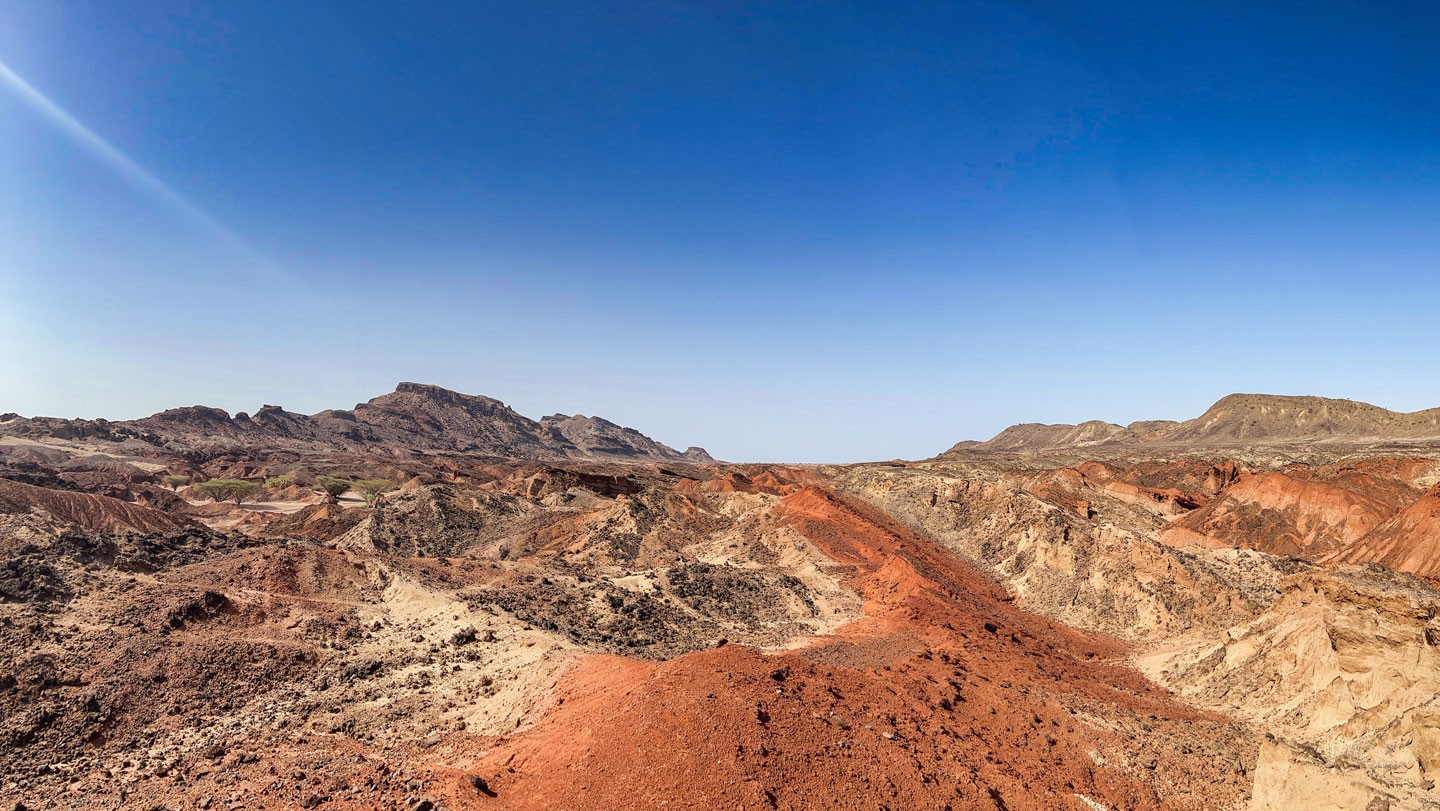
There’s a place in East Africa. It has a name. The Great Rift Valley.
We know this one. It’s been pulling apart for millions of years. It’s a classic rift. But now, data shows the rift isn’t confined to the East anymore. The center of Africa is feeling the pull.
“This suggests a much larger and deeper mantle upwelling than previously thought,” implies the new data.
Basically. Heat is rising from the deep earth. Hot magma—molten rock—is pushing up from the mantle. It’s weakening the roof. The roof being the crust. The dense solid rock layer on the very top of the planet.
When rock gets weak, it breaks.
When it breaks, it forms faults. Cracks. Places where earthquakes can start. Places where volcanoes might pop up later. Maybe not next year. But maybe in the future. A very geologically fast future.
Should you pack your bags?
Not yet.
But think about the word ancestor. An ancestor is where things came from. Birds came from dinosaurs. We came from something else entirely.
Continents? They come from other continents breaking apart.
North America? Once joined to Africa and Eurasia. Pangea. It ripped itself apart. The Atlantic Ocean formed in that tear. That took tens of millions of years. Sure. It was a long process. Slow and steady.
What we see in Africa now might be a repeat. But faster. Or differently shaped.
The models show a computer simulation of a planet that is always moving. Never still. A planet where “land” is just temporary rock sitting on a semi-fluid floor.
Sediment gets deposited by water or wind. Magma pushes up. The crust bends. Rocks get metamorphosed. Changed by pressure. Changed by heat. Everything transforms.
A Warning Shot
Is Africa going to split into two separate continents soon?
Define soon.
If soon is 10,000 years. Yes. If soon is your lifetime. No. You are fine. Go outside. Step on the ground. Feel the stability. It’s solid right now. Granite is hard stuff. It floats on the mantle. It resists.
But resistance fades.
The study shows a trove of information hidden in the seismic signals. A collection of clues telling us the earth is alive. Moving. Breathing. Expanding and contracting.
We like to think our houses sit on permanent rock. Permanent ground. But nothing is permanent. Even continents drift. Even solids flow. Given enough heat and time and tension, stone bends. Then it breaks. Then the water rushes in to fill the gap.
We won’t see it in our lifetime. We might not see the first cracks turn into a new ocean basin in our grandchildren’s lives. But the clock started.
The ground is already thinner than it was yesterday.