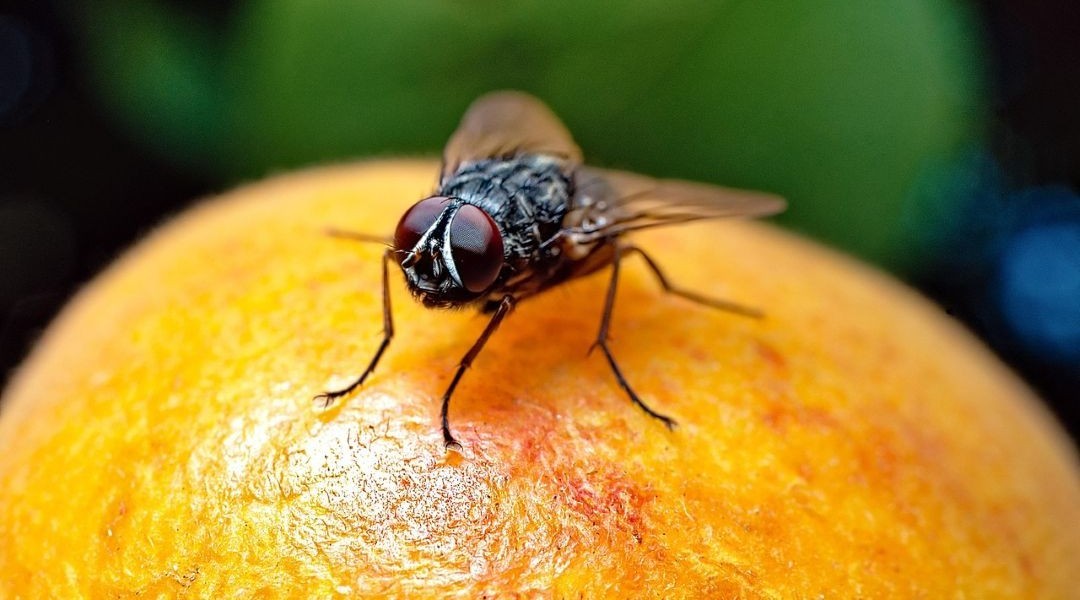
Fruit flies, often dismissed as mere kitchen nuisances, are serving as unexpected barometers for ecosystem health. A recent study in Vienna has demonstrated that these tiny insects can effectively map the ecological costs of urbanization and climate change. By tracking shifts in fruit fly populations across the city and its surroundings, researchers have uncovered how human-altered landscapes are reshaping local biodiversity.
The Science Behind the Swarms
The study, led by Martin Kapun and Elisabeth Haring from the Naturhistorisches Museum Wien, focused on the genus Drosophila (commonly known as vinegar flies). These insects are highly sensitive to temperature and humidity, making them ideal indicators for monitoring environmental changes. Because they inhabit diverse environments—from city parks to rural gardens—they provide a comprehensive view of how urban expansion and warming climates affect local ecosystems.
To gather data, the team launched a citizen science campaign called Vienna City Fly. Leveraging social media and museum events, they recruited 160 volunteers to collect flies using simple traps baited with banana or apple slices. This collaborative effort yielded more than 18,000 specimens collected from both indoor kitchens and outdoor gardens across Vienna and its surrounding villages.
Urban Heat Islands Favor Generalists
After identifying the species through morphological traits and DNA barcoding, the researchers linked the data to climatic and land-use information. The results revealed distinct patterns in species distribution:
- Urban Adaptation: The species Drosophila mercatorum, originally from the hot, dry regions of the Americas, thrived in Vienna’s city center. It favored areas with high temperatures and impermeable surfaces like asphalt, where rainwater cannot soak into the ground.
- Rural Preference: In contrast, the invasive Asian fruit pest Drosophila suzukii avoided urban interiors, proliferating instead in suburban and rural spaces.
- New Arrivals: The study identified two species, D. virilis and D. mercatorum, that had not previously been recorded in Austria.
These findings highlight a broader trend: urban environments favor generalist species that can adapt to rapid changes, while specialists struggle to survive.
A Thirty-Year Decline in Biodiversity
To understand the long-term impact of urbanization, the researchers compared their findings with data from a similar study conducted in Vienna 34 years ago. The comparison revealed a significant loss in biodiversity and a shift in species composition.
- Specialists Disappear: Drosophila subobscura, once the most abundant species, was found in only five instances during the current study. As a food specialist, it likely lost its niche to more adaptable, generalist competitors.
- Ecological Simplification: Approximately 50% of the Drosophila species recorded in the earlier study have vanished or become rare. This decline suggests that human perturbation—including global warming, invasive species introduction, and pesticide use—is simplifying urban ecosystems.
The researchers noted that the 1994 study included more green spaces in its sampling, which may also contribute to the observed differences. However, the overall trend points to a clear degradation of ecological complexity.
Future Directions: Genetics and Global Application
To ensure the accuracy of their findings and rule out sampling biases, the team is repeating the study with a new cohort of citizen scientists. They also plan to expand the research to other cities to test whether these patterns are universal.
A key question remains: Does urbanization drive genetic adaptation? The researchers are now using whole-genome sequencing to determine if urban-dwelling flies carry specific genetic markers that help them cope with heat islands and other urban stressors. If confirmed, Drosophila community composition could serve as a reliable, low-cost proxy for monitoring ecosystem disturbance globally.
“This could indicate that urban flies genetically adapt to cope with heat islands, high degrees of imperviousness and other urban conditions,” explains Kapun.
Conclusion
The Vienna City Fly project transforms a common household pest into a powerful tool for environmental monitoring. By revealing the decline of specialist species and the rise of adaptable generalists, this research underscores the urgent need to address the ecological impacts of urbanization and climate change.