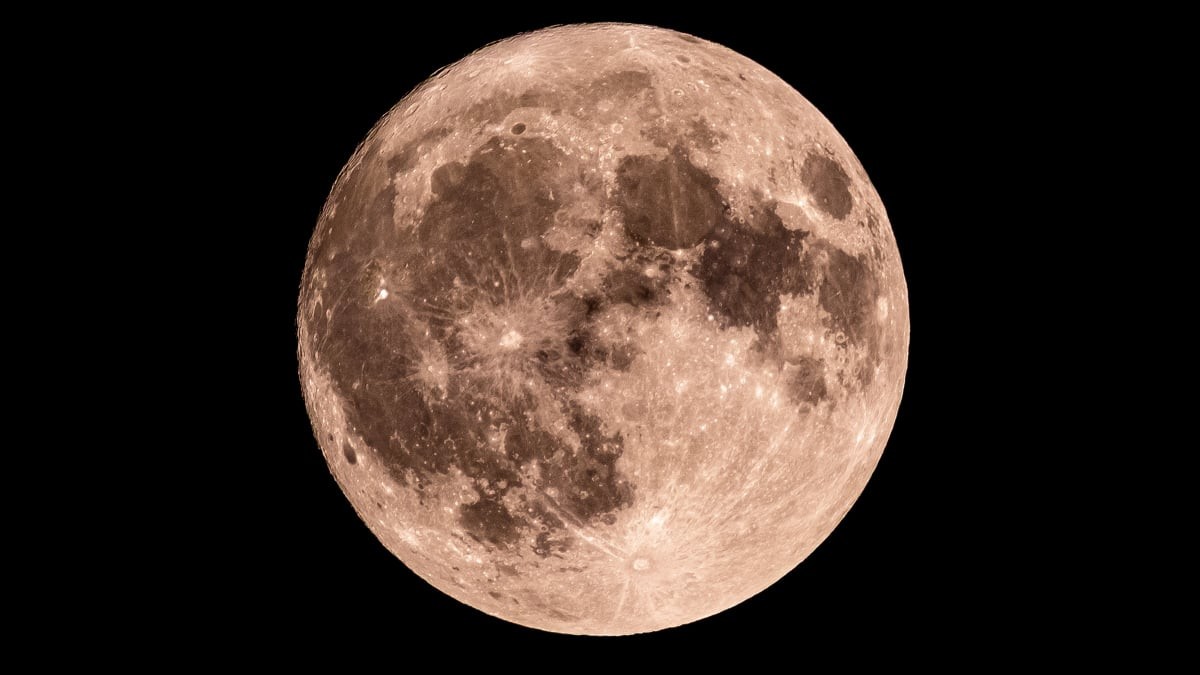
It is fully lit tonight.
As of Monday June 29 2026 we have arrived at the Full Moon. The lunar cycle hits its peak right here. From this point forward the light starts to fade. The wane begins. But tonight is about the glory before the drop.
“Tonight 99 percent of the moon will be lit up” NASA notes.
You don’t need gadgets. Look up.
Your naked eye will pick out the Mare Fecunditatis. Also the Mare Crisium and Kepler Crater. If you happen to have binoculars stashed away the Clavius Crater shows up. So do the Alps and Apennine Mountains. Feel fancy? Grab a telescope. You can actually see where humans touched down. Apollo 12. Apollo 16. Even Rima Hyginus is in there for the keen observers.
Why does it change?
The Moon orbits Earth every 295 days or so. Roughly. It goes through eight distinct phases. We only ever see one side. But the sunlight changes angle as it travels.
Thin crescents. Half-lit shapes. Total illumination. Then back again. This whole loop is the lunar cycle.
Here is the breakdown. No fluff.
- New Moon – Hidden. Dark side facing us. It is effectively invisible.
- Waxing Crescent – A sliver of light appears. Right side if you are in the Northern Hemisphere.
- First Quarter – Half lit. Right side. Looks like a cookie broken in half.
- Waxing Gibbous – More than half. Not quite full yet. Getting there.
- Full Moon – All of it. Entirely visible.
- Waning Gibbous – The light leaves. Starts fading from the right side Northern Hemisphere view.
- Third Quarter – Another half moon. Left side is lit this time.
- Waning Crescent – A thin edge remains on the left. Then it goes dark again.
The next one is coming quickly. The cycle does not pause. It just turns.
What else is there to say when the sky gives you a perfect white coin every month