Smoke doesn’t wait for permission to travel.
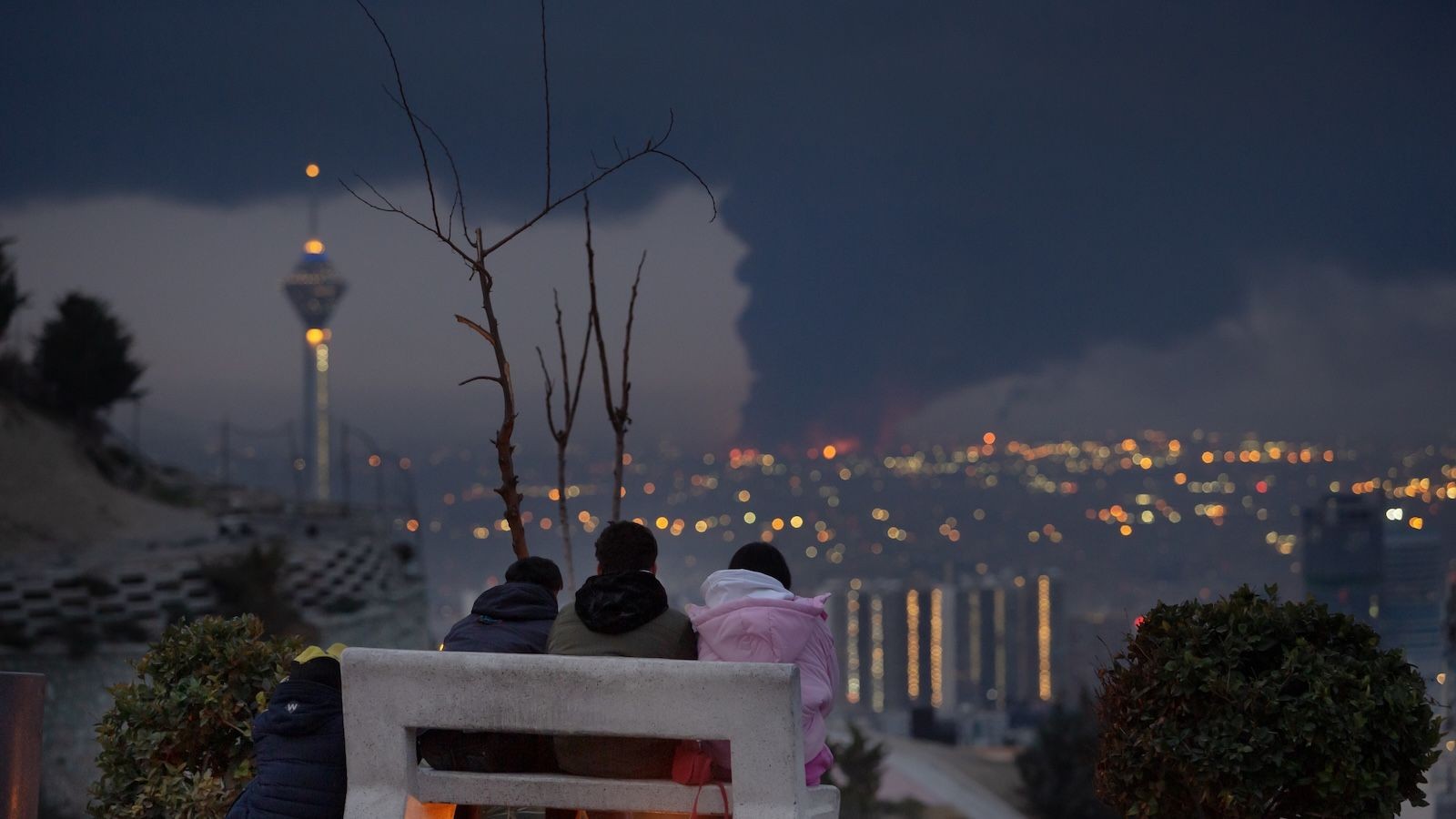
Israeli airstrikes hit four Iranian oil sites on March 7. Fardis. Shahran. Aghdasieh. The Tehran Oil Refinery. What followed wasn’t just local destruction. It was a atmospheric anomaly.
A new analysis published Tuesday in Advances in Atmospheric Sciences shows the damage. By March 8, the fires had spat roughly 33,000 tonsof sulfur dioxide into the sky.
That’s a lot.
To put it in perspective. The 2010 eruption of Eyjafjallajökulli spewed about 22,000 tover three days. One day of bombing matched—and exceeded—that volcanic output.
SO2 is noxious. It travels far.
Data from China’s FengYun 3 satellites and the Sentinel-5 precursor mapped the plume. Ultraviolet and infrared hyperspectral imagery tracked the spread. Northeasterly winds pushed the cloud across borders. Within forty-eight hours it had drifted roughly 1,240 mileres to East Asia. The footprint? A massive 185,00-square mile area.
You might think the air cleared once the fires burned down.
You’d be wrong.
“The impact… should not be neglected because ofits relatively short duration,” the study notes.
The gases didn’t just float. They fell. Mixing with precipitation, the pollutants created something unsettling. Corrosive rain. Some call it black rain. It carried hydrocarbons. Toxic particles.
People in Tehran felt it. Headaches. A bitter taste in the mouth. Irritated skin and eyes. Difficulty breathing.
Why do we treat CO2 as the only enemy here?
This isn’t the first time the ongoing conflict has shown up on climate charts. Between Feb. 28March 14, the war pumped more CO2 than Iceland emitted all of 2024 greenhouse gas-wise.
Sulfur is just another layer on top.
The cloud dissipated by March 9 mostly gone from sensors but the data remains. The plume stretched thousands of miles. Health issues lingered. Flights may have kept moving this time but the atmosphere took a hit similar to what grounded Europein 2010.
The satellites recorded it. The people remembered the taste of the rain.
We keep tracking these emissions. Maybe we stop. Maybe we don’t.
The numbers don’t care either way.