


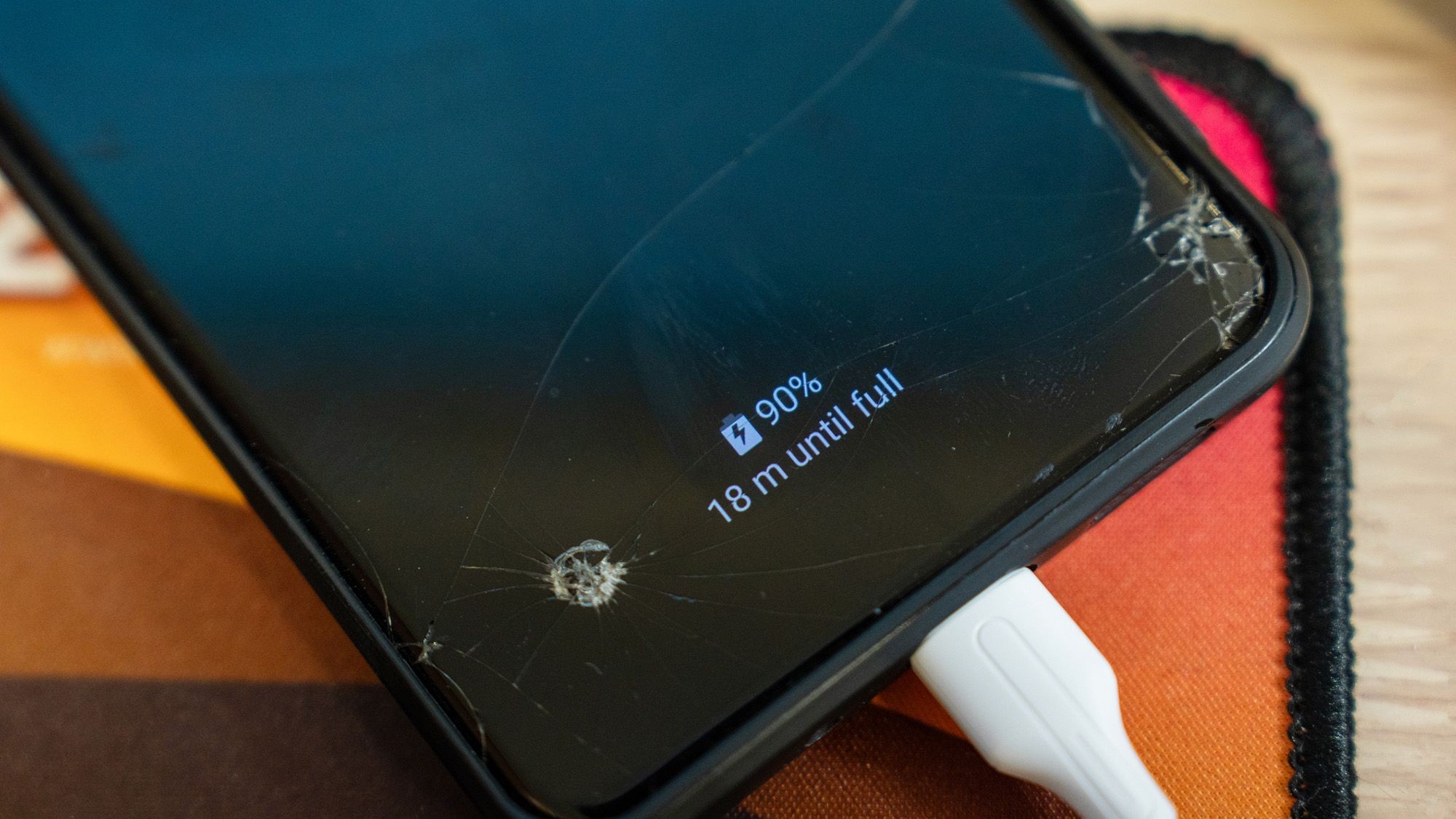
Fast charging is everywhere now. Your phone goes from dead to fine in half an hour. Your EV gets hundreds of miles back during a coffee break.
It feels magical.
Batteries aren’t. They degrade. Always have.
The question is obvious: does pumping that juice in faster break the battery faster?
Scientists say yes.
But wait.
It’s not that simple. The damage happens. It accelerates. Modern tech, though? It tries to stop it. There are safeguards.
The Rush Job
Lithium-ion batteries are the standard. The world runs on them.
How they work: lithium ions shuffle between a cathode and an anode charging? The ions move into the anode. Wait. Then the battery drains. Ions leave. Simple dance.
Fast charging changes the tempo.
Regular charging is slow. Low current. Ions sneak into the microscopic holes in the anode gradually.
Little heat.
Minimal stress.
A calm night’s sleep.
Fast charging yanks the door open. High current. High power. Short time.
Zhiyuan Jiang from Xi’an Jiaotong University explains it.
“Fast charging increases the current [and power significantly to shorten charging time.”
Not all batteries can take it. Some melt.
To make fast charging work, manufacturers cheat a bit. Or rather. Engineer better. Special materials. Thinner electrodes. Liquids that let ions flow easier. Redesign the whole architecture. Reduce resistance.
Stanislaw Zankowski at Oxford compares it to traffic.
“You could think about charging a battery transporting people through roads and buildings.”
Fast charging isn’t magic. It’s logistics. Can you move that traffic without a jam? Without a crash?
Most batteries are old city roads. Fast charging is rush hour in LA.
The Cost of Speed
Batteries age. Even if you never touch them.
But fast charging? It speeds up the decay.
Big issue: lithium plating.
Rush the ions too much, they don’t settle. They pile up. Metallic deposits form on the surface. Useless. Can’t store energy.
Capacity drops.
Worse? Dendrites.
Needle-like spikes.
These prick internal parts. Short circuits. Safety hazards. Real danger.
Heat is the other villain.
Electrical resistance creates heat. Fast current means lots of heat.
“For small batteries heat is small,” Zankowski says.
Small current.
Small risk.
Big batteries change everything.
Big batteries push massive current. Massive heat builds. You can’t just charge them instantly. The safety margin disappears.
High heat accelerates chemical rot.
Swelling? Fire? Explosion? Thermal runaway.
Sounds scary. Is it?
Your phone has a brain. A battery management system.
It watches voltage. Current. Temperature.
Leave your phone in the sun? It yells at you. Heat warning.
It slows down charging automatically. Saves its own life.
How Not To Kill Your Battery
You want fast charging. You want the battery to last.
Compromise.
Temperature matters.
Zankowski says 20-25°C is ideal.
68-77°F.
Human comfort. Battery comfort. Same thing.
Avoid the parked car. Avoid the sun.
Cold hurts too. Ions freeze. They stop moving.
Another tip. Stop overcharging.
Don’t keep your laptop plugged in 24/7. It stresses the cell.
Jiang suggests “shallow charge shallow discharge.”
“Keep your battery between 20 and 80 percent daily use.”
Not necessary to hit 100.
Ever? No.
But we do it. Because the red number is scary.
It doesn’t help.
So here you are.
Fast charge your phone.
Then maybe leave it plugged in all night anyway.
Because convenience wins. Every time.


