It’s getting brighter.
Sort of.
The right side is waking up, though it’s just a ghost of a sliver right now. Enough for the obsessed folks to peek through a glass. Maybe find a landmark or two.
What we’re seeing today
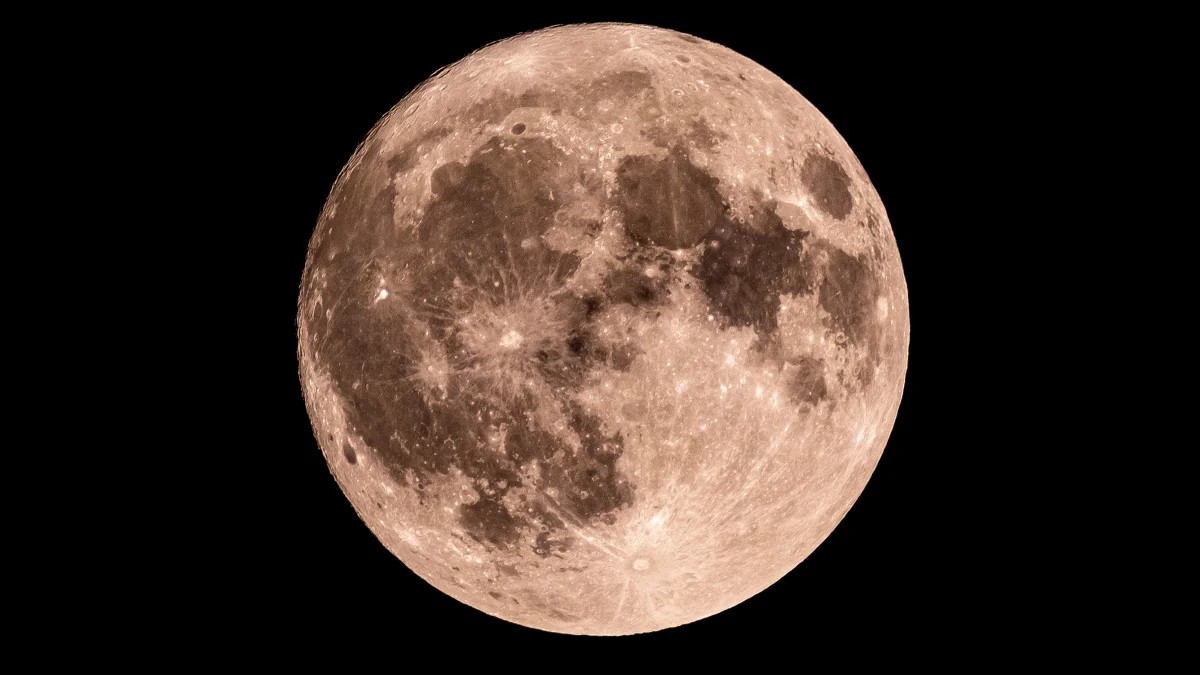
May 20 lands us in the Waxing Crescent. Seventeen percent illuminated, according to the NASA guide. Just a sliver. But it’s enough to break the black. You can start making things out again.
Grab the Mares. Specifically, the Mare Crisium and the Mare Fecunditatis. No binoculars needed for those dark patches. If you do have binoculars or a cheap telescope, point it toward the Endymion Crater. It’s there, waiting.
Next big event
May is greedy this year. Two Full Moons. The next one hits on May 31. Circle the date if you have nothing better to do.
Why does it change?
Ninety-five point zero five days to spin around the block. Wait. Not that fast.
29.5 days. That’s the orbital period.
Same side faces Earth always, yes, but the Sun? The Sun doesn’t care about our attachment issues. It hits different angles as the Moon orbits. Light hits rock. Shadows fall. We call these phases.
There are eight steps. Here’s how it plays out.
New Moon – The dark side. Moon sits between Earth and Sun. Invisible. Just darkness where the light should be.
- Waxing Crescent – Sliver on the right (for the North). Growing.
- First Quarter – Half lit. Right side. Looks like a sliced pie.
- Waxing Gibbous – Getting fat. More than half, less than full.
- Full Moon – The whole show. Bright. Annoying for stargazers.
- Waning Gibbous – Losing light on the right. Shrinking back down.
- Third Quarter – Half again. But left side now. The other shoe drops.
- Waning Crescent – Thin sliver on the left. Fading. Going quiet again.
Why do we track this?
Some don’t.
Some swear by it for sleep cycles, tides, mood swings that can’t be measured.
The sky keeps turning anyway.