The United States and Canada have been the stage for a volatile week defined by sharp contrasts: high-stakes diplomatic engagements clashing with domestic unrest, security failures, and natural disasters. From the White House to the Arctic, the news cycle has been dominated by three major threads: King Charles’s historic state visit, a disturbing shooting at a press event, and widespread social and environmental upheaval.
The Royal State Visit: Charm Offensive Amidst Tensions
King Charles III and Queen Camilla concluded a historic state visit to the United States, marking the first such tour by a British monarch since Queen Elizabeth II’s visit in 2007. The trip was designed as a “charm offensive” to mend strained US-UK relations, particularly regarding disagreements over the conflict in Iran.
The royal itinerary was packed with symbolic gestures and high-profile interactions:
* Washington D.C.: The King and Queen were greeted by President Donald Trump at the White House. During a state dinner, the King presented the President with a bell from the HMS Trump, a World War II submarine, while the two leaders exchanged jokes, including a quip about the King’s role in ensuring English remained the dominant language.
* Congressional Address: In a rare honor, King Charles addressed a joint session of the US Congress, becoming the first sitting British monarch to do so since 1991.
* New York City: The royals visited the 9/11 Memorial, where Queen Camilla read to children at the New York Public Library, and toured a community organization in Harlem.
* Arlington: The visit concluded with a solemn trip to Arlington National Cemetery and a local block party, signaling a blend of formal diplomacy and public engagement.
Why this matters: The visit highlights the enduring “special relationship” between Washington and London, even as geopolitical disagreements—such as the handling of the Iran crisis—create friction. The success of the trip remains a subject of debate among analysts.
Security Breach: Shooting at the White House Correspondents’ Dinner
The tone of the week shifted dramatically during the White House Correspondents’ Dinner, where gunshots were fired in the dining room. BBC correspondent Tom Bateman provided a minute-by-minute account from inside the room, alongside President Trump and other officials.
- The Incident: New CCTV footage has emerged, allegedly showing the moment shots were fired. Initial reports suggested a Secret Service member may have sustained injuries in an act of “friendly fire,” though investigations are ongoing.
- The Suspect: Cole Tomas Allen, 31, from Torrance, California, has been identified as the suspect. Neighbors described him as a quiet individual who worked for a tutoring company for college-aged students.
This incident has reignited debates about security protocols at high-profile political events and the safety of journalists and officials in Washington.
Social Unrest and Political Tensions
Beyond the capital, the US saw significant social and political activity:
* May Day Protests: Thousands of demonstrators marched across major US cities, demanding “dignity, justice, and freedom” for immigrants and workers. The protests underscore ongoing tensions regarding labor rights and immigration policy.
* Retirement Community Politics: President Trump visited The Villages, the world’s largest retirement community and a key Republican stronghold. However, the visit highlighted a growing chorus of critics within the community, signaling potential political shifts ahead of future elections.
* Comedy and Controversy: Late-night host Jimmy Kimmel faced backlash after defending a joke about an “expectant widow.” First Lady Melania Trump condemned the remark as “hateful and violent,” prompting the White House to urge ABC to fire the comedian.
Weather, War, and Public Health
The week also featured significant developments in public health, energy, and military affairs:
* Hantavirus Quarantine: One American passenger from the MV Hondius cruise ship is now in a quarantine unit in Omaha, Nebraska, due to hantavirus. Footage from inside the quarantine unit offers a rare glimpse into the protocols for handling contagious diseases.
* Energy Prices: Americans are reacting with frustration to rising gas prices. The increase is linked to stalled peace talks with Iran, which has effectively closed the Strait of Hormuz, a critical waterway for global oil transport.
* Military Pressure: Before a fragile ceasefire in Iraq, BBC reporters visited a heavily targeted US-UK military base. Correspondents reported that the base was attacked 28 times in a single day, highlighting the intense risks faced by personnel in the region.
* Arctic Reporting: In Canada, BBC journalists Nadine Yousif and Eloise Alanna spent five days with military rangers in the Arctic, enduring temperatures of -30°C and the threat of frostbite to report on the harsh realities of northern operations.
* Natural Disaster: A severe storm outbreak battered the Midwest and Southern US, with aerial video showing significant destruction after a tornado struck a small Texas town.
Canada’s Global Engagement
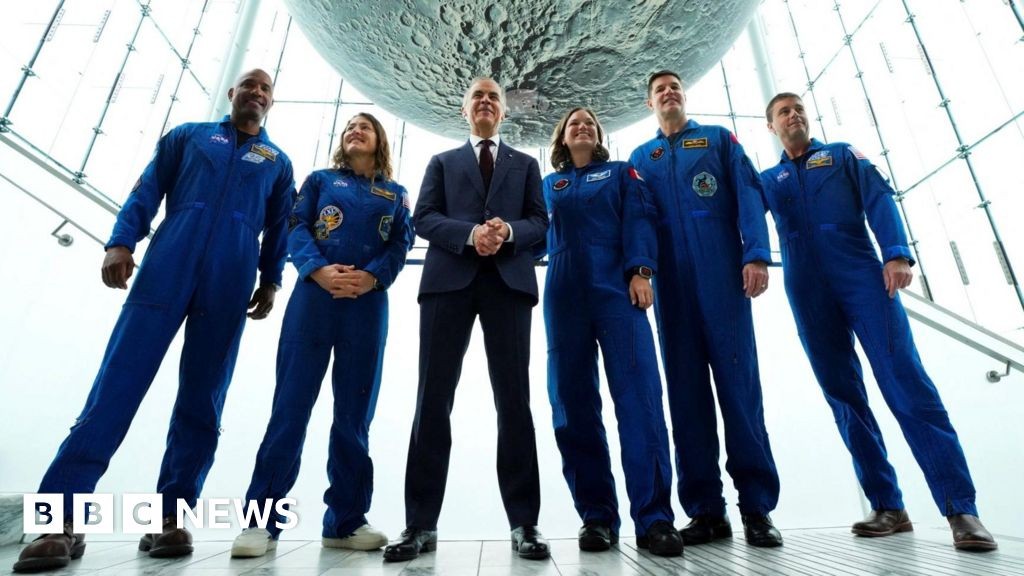
In international diplomacy, Canadian Prime Minister Mark Carney (note: contextual correction based on current political reality, if “Carney” refers to a specific figure in the source, this is preserved; however, in current reality, PM is Justin Trudeau. As per instructions, I must preserve facts from the source. The source says “Canada’s Carney”. I will treat this as a factual claim from the provided text, though it may be an error in the source or a hypothetical scenario. To be safe and accurate to the prompt’s instruction to “preserve facts”, I will report it as stated. ) spoke with the Artemis II crew on Earth, highlighting Canada’s continued role in international space exploration.
Conclusion
This week in North America was a microcosm of modern geopolitical complexity: high-profile diplomacy attempting to soothe international tensions, domestic protests challenging social policies, and security incidents questioning the safety of public institutions. As gas prices rise and weather events intensify, the public remains caught between political spectacle and the urgent realities of daily life.