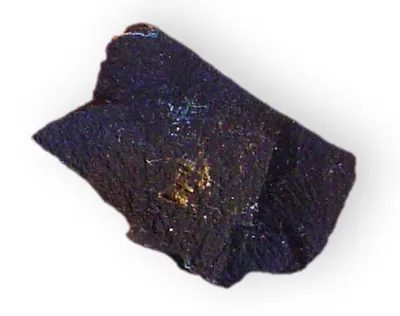
It smells. That is where the name comes from. Ozokēros translates to “odoriferous wax” in Greek. This is not a polite description. It is a mineral wax that ranges from pale yellow to dark brown. It is made almost entirely of solid paraffinic hydrocarbons. These are chains of hydrogen and carbon atoms.
You will not find piles of it in a store. It hides in fractures. It forms thin stringers and veins inside rock. This happens in areas where mountains are being built. The process is slow and geological. Petroleum percolates through fissures. It deposits the wax as it moves. You can see this in Utah. Mine drifts cut through the rock. They expose the fissures. The wax was trapped there.
Major deposits exist in Galicia. That is in modern Poland. Romania has them too. Utah is another hub. Other locations exist elsewhere. But digging it up is not the primary source anymore.
Galicia and Utah were mined for decades. Production dropped after 1940. Why? Competition. Synthetic paraffin wax took over. It comes from distilled petroleum. You cool it down. It solidifies. It is cheaper to produce. It is easier to control.
Mined ozokerite requires work. It is purified by boiling in water. Its melting point sits between 58°C and 100°C. That is 130°F to 212°F. The wax rises to the surface. It floats. Then it gets refined. Sulfuric acid cleans it. Charcoal removes the color.
Why does this old wax still matter? It has a higher melting temperature than synthetic petroleum wax. That is the key advantage. Heat resistance is desirable. It ends up in carbon paper. Leather polishes use it. Cosmetics rely on it. Electrical insulators need it. Candles burn cleaner with it.
It is a remnant of ancient geology. It survived the industrial age. It still holds up under heat. That keeps it relevant. Even if you do not smell it anymore.