Three coronal mass ejections are heading for Earth. Right now. Space weather folks say they’re racing toward us and we might take glancing blows. It’s not a head-on crash. Just a series of solar kisses, sort of.
These solar storms aren’t aimed directly at the planet, but that doesn’t mean we’re safe from the aftermath. A U.K. Met Office analysis suggests we could face minor (G1) or maybe moderate (G2) geomagnetic storms. Even a near miss shakes things up. The Earth’s magnetic field gets buffeted, stirred into a froth. That’s how the northern lights turn on.
Where to look
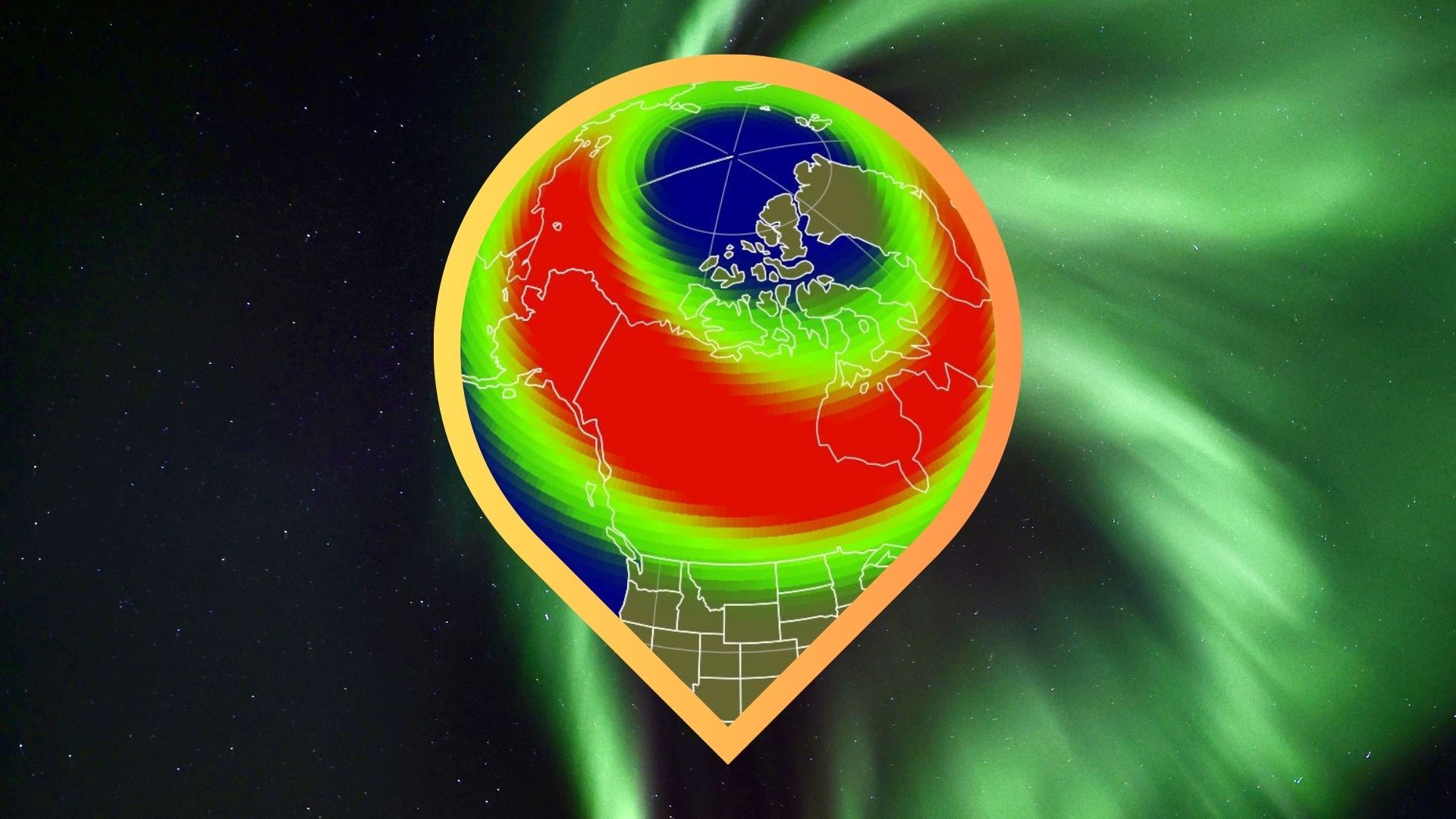
NOAA forecast maps show the auroral oval dropping into the northern U.S. tonight. If we hit G1 status, the show belongs to those in Alaska, Washington, Montana. Also North Dakota. Minnesota, Michigan, and Maine might see something. If conditions kick up to G2? Idaho and New York join the party.
Most of this solar debris is expected to fly north of Earth. Miss us completely, mostly. But the tail end? It’s enough to rattle the cage. Add to that a high-speed solar wind stream from a nearby coronal hole, lingering from the last few days, and the mix gets potent. The U.K. Met Office says these effects could stack up, boosting geomagnetic activity until May 20.
Modelling shows the bulk of material passes by, but a glancing blow is all it takes to light up the sky.
The timing
Aim for local midnight. It’s usually the dark window. When geomagnetic activity tends to peak. NOAA puts the best bet between 11 p.m. 2 a.m tonight.
Don’t count on it. Auroras are temperamental beasts. Storm conditions are just the invitation, not the guarantee. You need clear skies. Darkness. A magnetic field that actually cooperates. Sometimes they don’t show. Not tonight, not for you. It happens.
Finding the glow
Get north. Escape the light pollution. Go somewhere black. Your phone helps, actually. Camera sensors pick up fainter light than eyes do. Point it at the sky, wait for the color, then look. But stay loose. Auroras pop up anywhere. Overhead, behind, to the side. Just watch the sky. See what breaks.