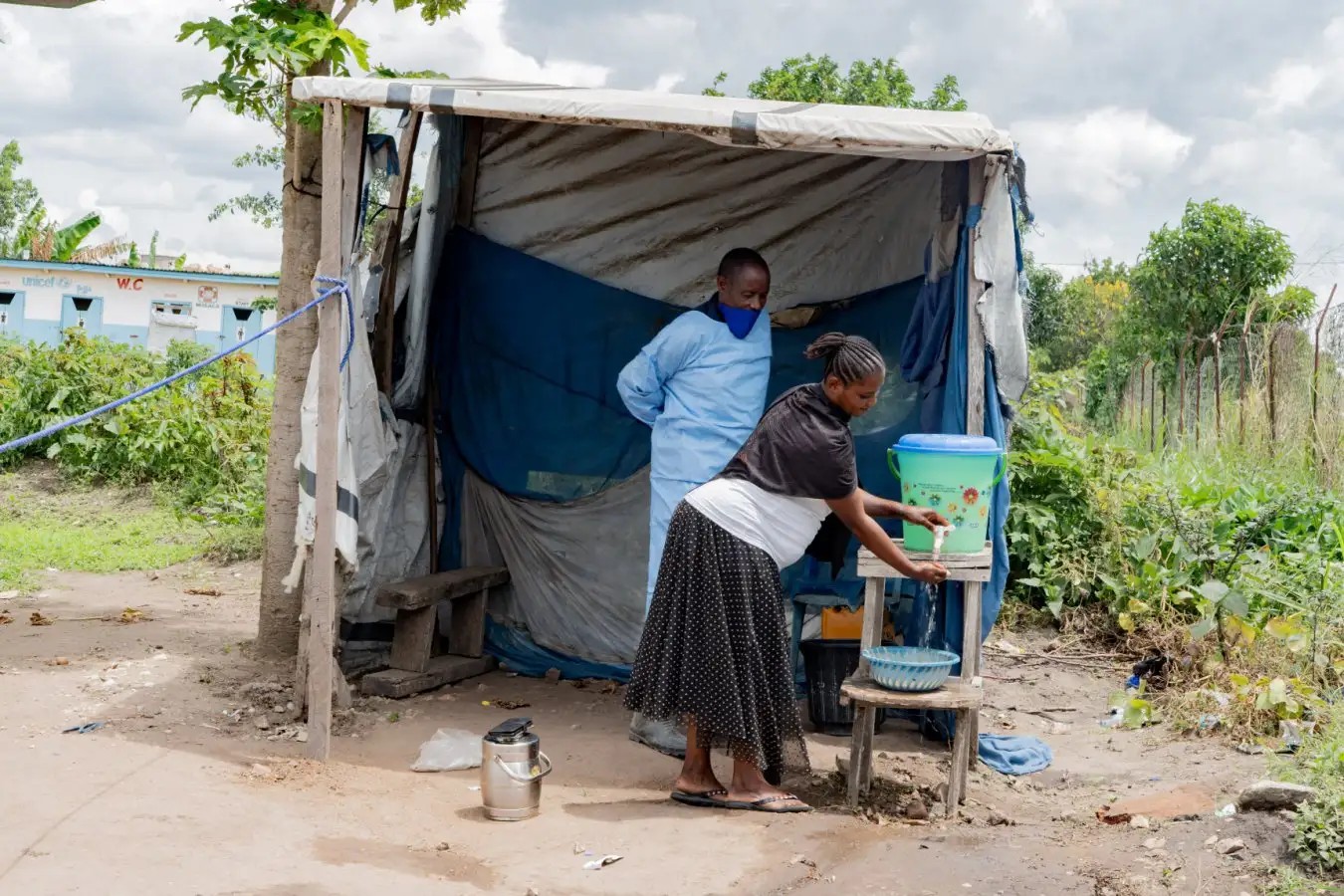
The world is looking at the latest Ebola outbreak. It’s in the Democratic Republic of Congo now. Spilling over into Uganda. But the virus isn’t the only story here.
Epidemiologists are warning something else. A urgent, sharp warning about the vacuum left by vanishing funds. Yes the global pandemic risk for this strain is low. But the infrastructure meant to stop it is hollowing out. Fast.
The US pulled its plug on the World Health Organization back in early 2024. Or was it 2025? The timeline blurs as the cuts bite deeper. Budgets for 26/27 were slashed. Staff walked away. Too many staff.
“America leaving the WHO has been basically disastrous.”
That’s Adrian Esterman. Adelaide University. He’s blunt. He sees the underfunding as the real crisis hiding behind the disease.
The Numbers Game
May 5. That’s when the WHO got the alert. A health worker. Symptomatic since April 24. Fever. Vomiting. Haemorrhaging. The classic terrible trio plus intense malaise.
By mid-May 17, it was declared an emergency. An international concern. The numbers were ugly.
- 336 suspected cases
- 88 dead
It’s the Bundibugyo strain. Not Zaire. Bundibugyo kills 20% of its victims. Maybe 50%. It varies. But 50% is a coin flip for your survival. And right now the coin is being flipped in East Africa.
No Shield for This Beast
Here’s the kicker. We have two licensed vaccines. But only for the Zaire strain. That one kills up to 90% of people. It’s the bad actor from previous years. We have bullets for that target.
For Bundibugyo? Nothing licensed. Trials exist in monkeys. Non-human primates did their part. Humans got nothing. Yet.
So containment is all there is. Physical barriers. Strict protocols. A race against the clock to build walls before the virus breaches them.
Oxford is working on something new. They partnered with Moderna. A multivalent candidate. One shot targeting multiple filoviruses. Marburg. Zaire. And Bundibugyo. RNA viruses. Lethal hemorrhagic fevers. The scary family of pathogens.
Esterman wants this accelerated. Now. “We’ve known Bundibugyo for twenty years,” he says. “We still have no vaccine. This is the cost of that gap.”
He argues we can speed things up. Parallel trials. Adaptive designs. More money. It doesn’t mean cutting corners. It means moving faster without breaking the safety rules.
Why the Delay?
Raina MacIntyre sees it differently. She’s in Sydney. University of NSW. She points out a stark economic reality.
Why are there no vaccines for these obscure strains? Money. Always money.
“90 per cent of drug development is for high-income countries.” That’s the rub. Ebola hits low-income nations. Investors look elsewhere. Profit margins in rural Central Africa don’t sing the same tune as cholesterol meds in London or New York.
But the tech changes things. mRNA is fast. Very fast. MacIntyre believes vaccines for Bundibugyo could be built quickly now. If someone funded them. If someone cared enough.
Don’t Sit in the Waiting Room
Will it go global? MacIntyre says unlikely. Ebola doesn’t float in the air. It doesn’t spread like SARS-CoV-2 or the flu. But “low-risk high-consequence” cases? Those happen. Travelers fly out. Fever hits at 30,000 feet. They land in Heathrow or JFK.
She’s worried about the triage room.
Imagine walking into an ER with a fever. The nurse asks if you traveled recently. You lie. Or you forget. Or she doesn’t ask.
“You could be sent out to the wait for three hours. You sit there. You infect other people.”
That’s how diseases jump borders. MERS. Ebola. Hantavirus. Measles. All ride on planes and trains and buses.
MacIntyre’s advice is simple. Ask every fever patient where they’ve been. Quarantine if necessary. It’s old school medicine. It’s slow. It works.
The vaccines will come. Maybe. Eventually. The technology exists. The partners are aligned. The science is solid. But who pays? When? That’s the question nobody in Geneva seems to have an answer for right now.