Forty-eight young curlews were released into the wild today. Not a big fanfare. Just survival.
The Eurasian curlew used to roam the Shropshire Hills and Welsh Marches like a king. Now it’s on the UK’s Red List. Endangered. Numbers are crashing.
Enter Curlew Country. A non-profit trying to stop the bleed. They are giving the birds a headstart. Literally.
They take eggs from wild nests. Incubate them. Raise them in pens. It’s called “headstarting” and it feels like triage.
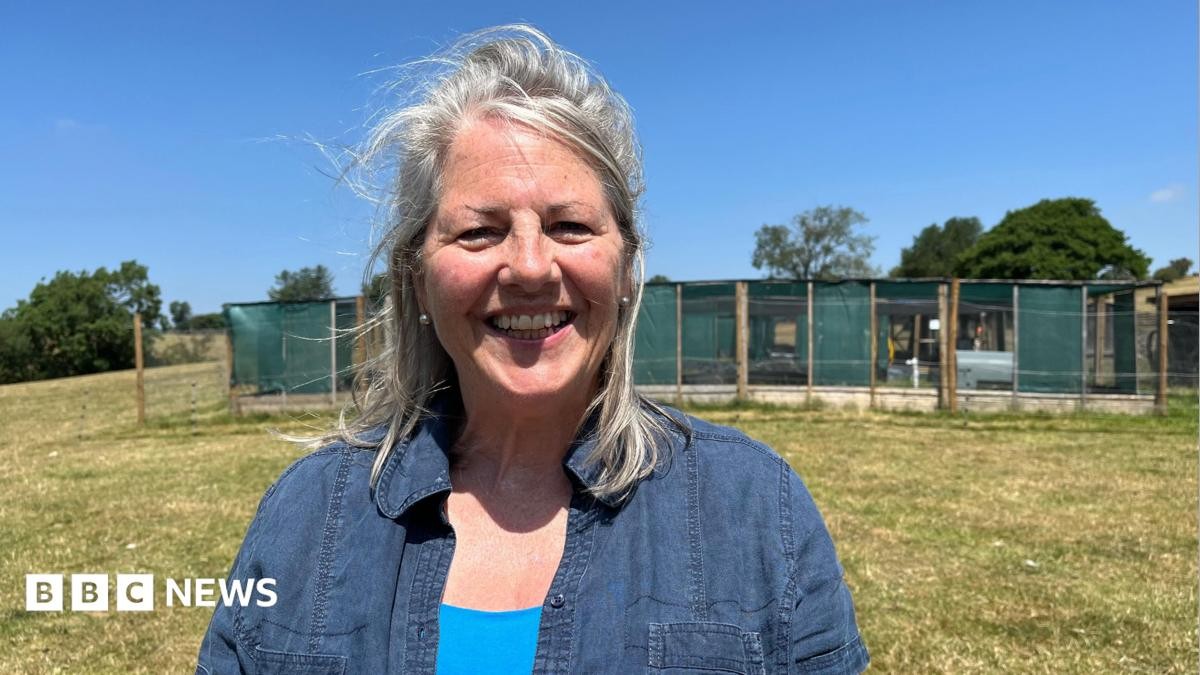
“[The project] has started to stabilize the population, but it’s not the long-term solution”
That’s Amanda Perkins, who leads the effort. She doesn’t mince words. In the wild, chicks just don’t make it. She monitored the nests. Zero survivors reached fledging age. Nothing. So they took desperate measures. A sticking plaster, she calls it. Licensed by Natural England, yes, but temporary. They need better natural nesting grounds eventually. Until then they play nurse.
Farmers help too. This matters. Curlews nest on farmland. You need those people onside. The farming community in Shropshire has been supportive. Really. They fence off nests. They tell volunteers where the eggs are hidden. They cooperate.
Perkins frames the goal simply. Curlews are a “priority species” on the county’s nature restoration plan. Thriving would be nice. Ideal. But survive? That is the actual metric right now.
Is this enough?
Probably not. Yet. This year’s release moves the needle. One small step toward not losing an iconic bird. The ending isn’t written. They’re still fighting to hold the line.